
Corn is one of the most widely consumed grains in the world. Boiled, roasted, steamed or added to salads and soups — corn is a popular food that has several nutritional benefits too: besides its sweet taste and versatility it provides dietary fibre, vitamins, minerals and antioxidants which help promote health.
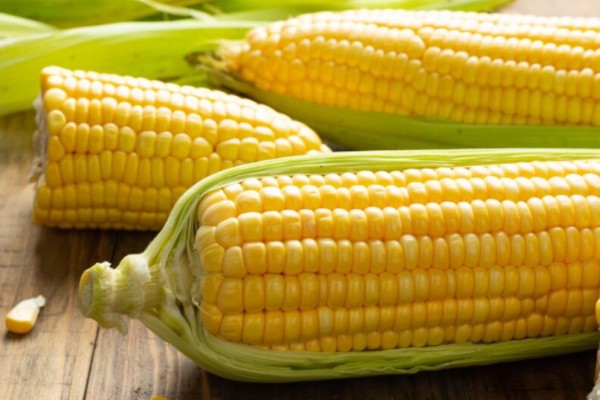
But is corn good for you? Yes, if you eat it in moderation and prepare it in healthy ways (see below). Here are seven health benefits to know.
1. Supports Better Digestion
Corn contains dietary fibre which supports healthy digestion and regular bowel movements. Fibre adds bulk to stool and can prevent constipation. Foods high in fibre (whole corn, vegetables, fruits) can also be included in meals to support gut health.
Related Articles


But gradually increase fibre intake and drink enough water so as not to get digestive discomfort.
2. Provides Long-Lasting Energy
Corn is a carbohydrate source. Carbohydrates provide energy for everyday activities so it can be useful to people who need energy for work, exercise and daily physical activity.
Whole corn also has fibre which can slow digestion and moderate the rate at which carbohydrates are absorbed.
Related Articles


3. Supports Eye Health
Corn contains carotenoids (lutein and zeaxanthin) antioxidants found in the retina and linked to eye health.
Eating foods that contain these compounds in a balanced diet may support normal vision and protect against oxidative stress.
4. Contains Antioxidants
Corn contains antioxidants such as carotenoids and phenolic compounds. These substances protect the body’s cells from oxidative damage (free radicals) that occurs when they are exposed to oxygen.
Yellow corn is especially high in carotenoids. Colourful vegetables, fruits and whole grains should be eaten for increasing antioxidant intake.
5. Supports Heart Health
The fibre in whole corn can help make up part of a heart-healthy diet. Fibre-rich diets may lower cholesterol if they replace foods rich in saturated fat (eg meat).
Corn also contains plant compounds that make it nutritious. But the overall diet, physical activity and lifestyle habits are still important for cardiovascular health.
6. Provides Important Vitamins and Minerals
Corn contains several essential nutrients such as vitamin B1 (thiamine), vitamin B9 (folate), magnesium and phosphorus.
These nutrients support different functions in the body (energy metabolism, cell development, nerve function, bone health).
Corn does contribute to nutrient intake but should be eaten with other foods for a balanced diet.
7. May Support Weight Management
Whole corn has fibre and carbohydrates which can make meals more satisfying. Fibre may help with fullness (so people eat less overall) because of its effect on satiety.
But portion sizes matter too. Corn prepared with excessive butter, cheese salt or creamy sauces can increase calorie and sodium intake significantly.
What Is the Healthiest Way to Eat Corn?
How corn is prepared can affect its nutritional value. Boiled, steamed and lightly roasted corn are generally good choices.
You can also add corn kernels to vegetable salads, soups and homemade meals. Corn paired with protein-rich foods (beans, lentils or eggs) can make a more balanced meal.
Limit heavily processed corn snacks and preparations with lots of salt, butter or added sugar.
Is Corn Safe for Everyone?
Most people can eat corn as part of a healthy diet (except for those with corn allergies). People with blood sugar issues should also be careful about portion sizes because corn is high in carbohydrates.
People who have digestive discomfort after eating corn could reduce their portions and talk to a healthcare provider if symptoms persist.
Final Thoughts
Corn can be part of your everyday diet if eaten whole and minimally processed. Fibre, antioxidants, vitamins and minerals in corn provide several health benefits (digestion support to eye/heart health).
Moderation and preparation are the key: pair corn with vegetables and protein rich foods and avoid excessive toppings so that you can reap its nutritional benefits.
Please note: This article is for general informational purposes only and does not substitute professional medical or dietary advice. Speak to a qualified healthcare professional or registered dietitian for personalised nutritional guidance.




Comments 0