
Curd rice is one of the most popular comfort foods in Indian households (mostly South India). It is cooked rice with fresh curd and has cooling taste, creamy texture and easy preparation. People eat it as a last meal after lunch or dinner; some have it regularly in their diet.
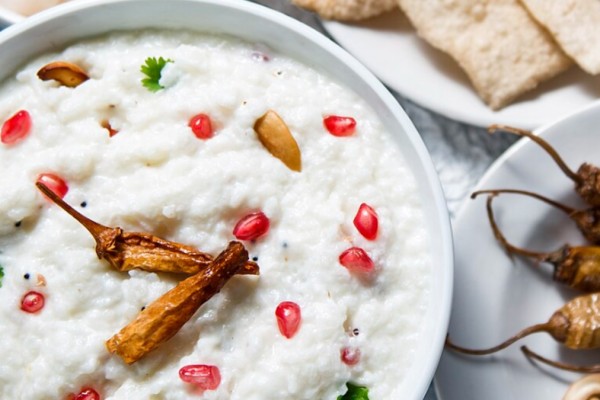
But how good is curd rice for your health? Does it really help digestion, improve gut health and provide essential nutrients? If prepared with the right ingredients and eaten in appropriate quantities then curd rice can be a healthy addition to a balanced diet.
1. Supports Digestive Health
One of the biggest benefits of curd rice is that curd used for its preparation contains live bacteria (depending on how it’s made and stored). Microorganisms like this can help balance the bacteria in the digestive system.
Related Articles


Curd is also generally easier to digest than milk for some people because fermentation reduces part of its lactose content. With properly cooked rice it makes a soft meal that many people find gentle on the stomach.
But individual digestion is different, and curd rice doesn’t cure digestive disorders.
2. Provides Energy to the Body
Rice contains carbohydrates (energy for everyday activities). It can be particularly useful for people who need a simple filling meal.
Related Articles


Curd provides protein and some fat (if low fat or full fat curd is used). So curd rice is a quick meal which gives energy and some nutrients too.
Adding vegetables or pulses can increase its overall nutritional value.
3. Supports Gut Health
Fresh curd with live cultures may support a healthy gut microbiome. These good bacteria help with digestion and normal function of the digestive system.
However not every curd product has the same amount or variety of live cultures. Fresh, properly stored curd (no added sugar) is what you want to eat for its nutritional value.
4. Provides Calcium and Protein
Curd is a good source of calcium (strong bones and teeth); protein (muscle maintenance; tissue repair).
The nutritional value will depend on the type and amount of curd used. If you add curd rice with vegetables, lentils or other protein foods it can be more balanced meal.
5. Can Be a Filling and Comforting Meal
Curd rice is soft and satisfying to eat without complicated preparation. It’s popular in warmer months because many people like its refreshing taste.
Cucumber, carrots, coriander leaves and curry leaves can give it flavour and extra nutrients.
6. Is Curd Rice Good for Weight Management?
You can use curd rice in a weight management diet but the portion size is important. Rice contains carbohydrates and curd protein and fat.
Eating large portions frequently may increase overall calorie intake. Use moderate quantity of rice, add vegetables and choose right curd so that it becomes more balanced meal.
7. Who Should Be Careful While Eating Curd Rice?
Curd rice is OK for many people but not everyone. Milk allergies should avoid dairy-based curd. Lactose intolerant people may tolerate curd better than milk (but reaction varies from person to person).
People who have problems after eating fermented foods or dairy should watch out for symptoms. Also avoid curd which has been left unrefrigerated too long.
Final Thoughts
Curd rice is not just a comfort food. It’s carbohydrates, protein, calcium and potentially live cultures too. When prepared with fresh curd, moderate amounts of rice and healthy additions such as vegetables it can become part of a healthy balanced diet.
Moderation and variety are the way to go. Have curd rice with other nutritious foods so you don’t overeat.
Disclaimer: This article is for general informational purposes only. Everyone’s dietary needs are different so consult a qualified healthcare professional or registered dietitian for individual nutritional advice.




Comments 0