
Onions are among the most common ingredients in kitchens around the world. They add flavour, aroma and texture to everything from curries and soups to salads and sandwiches. But this inexpensive vegetable may offer more than culinary appeal. Onions contain several plant compounds and nutrients that can contribute to a healthy diet.
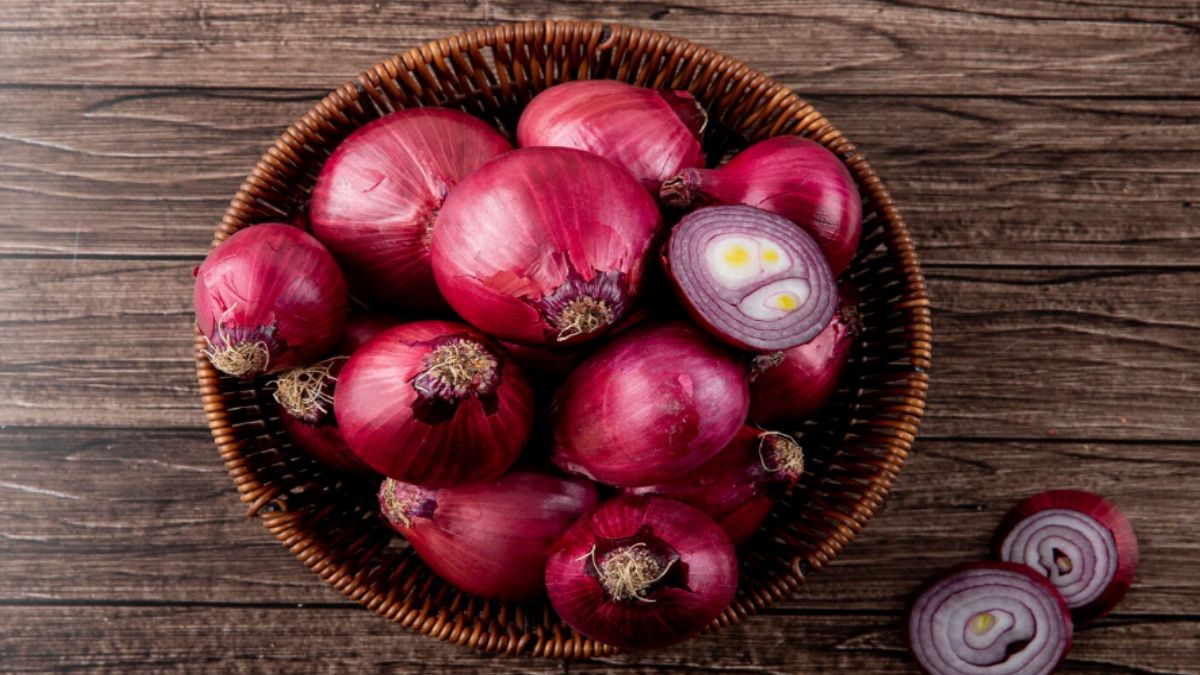
Fitness coaches and nutrition experts often recommend including a wide variety of vegetables rather than relying on expensive "superfoods". Onions are a good example of a simple ingredient that can complement an overall healthy eating pattern. Some research has also explored the potential relationship between onion consumption and cholesterol, heart health and antioxidant activity.
However, onions should not be considered a treatment for high cholesterol or any medical condition. Their potential benefits are best understood as part of a balanced diet and healthy lifestyle.
Related Articles


1. May Support Healthy Cholesterol Levels
One of the more interesting areas of research surrounding onions is their possible effect on cardiovascular health. Onions contain flavonoids, including quercetin, a plant compound with antioxidant and anti-inflammatory properties.
Some research suggests that diets rich in flavonoid-containing foods may support cardiovascular health. Onion consumption has also been investigated for its potential influence on blood lipid profiles, although the evidence is not strong enough to conclude that eating onions alone will significantly lower cholesterol.
For people concerned about cholesterol, onions can be a useful addition to meals alongside other heart-friendly foods such as vegetables, fruits, whole grains, legumes, nuts and seeds.
Related Articles


Anyone diagnosed with high cholesterol should continue prescribed treatment and follow advice from their healthcare professional rather than replacing medication with dietary remedies.
2. Packed With Antioxidant Compounds
Onions contain several antioxidant compounds, particularly flavonoids and sulfur-containing compounds. Antioxidants help protect cells from oxidative stress caused by unstable molecules known as free radicals.
Different varieties of onions can contain different amounts and types of plant compounds. Red onions, for example, are known for their anthocyanin content, while other onions provide flavonoids such as quercetin.
Including a variety of colourful vegetables in your diet is an easy way to increase your intake of beneficial plant compounds. Onions can contribute to that variety without requiring major changes to everyday meals.
3. Can Contribute to Digestive Health
Onions contain prebiotic compounds that can serve as food for beneficial bacteria in the gut. A healthy gut microbiome is associated with several aspects of overall health, including digestive function.
The fibre and prebiotic components in onions may therefore support a diverse gut environment when onions are consumed as part of a fibre-rich diet.
However, onions can cause bloating, gas or abdominal discomfort in some individuals. People with sensitive digestive systems or conditions such as irritable bowel syndrome may find that certain quantities or preparations of onions trigger symptoms.
4. Adds Nutrition and Flavour Without Many Calories
Another advantage of onions is their versatility. They can add substantial flavour to meals without contributing large amounts of calories.
Using onions, herbs and spices can make vegetables, lentils, soups, salads and other dishes more enjoyable. This can make it easier to follow a varied eating pattern without depending heavily on highly processed sauces or excessive amounts of added fats.
Onions also provide small amounts of nutrients such as vitamin C and folate, along with various plant compounds.
Raw or Cooked: Which Is Better
Both raw and cooked onions can have a place in a healthy diet. Cooking can alter the concentration and availability of some plant compounds, while raw onions retain certain heat-sensitive components.
Rather than worrying about one "perfect" way to eat onions, it is more practical to include them in different preparations according to taste and tolerance. Raw onions can be added to salads and sandwiches, while cooked onions work well in curries, soups, stir-fries and vegetable dishes.
How to Include More Onions in Your Diet
Adding onions to everyday meals is relatively simple. Use chopped onions in salads, add sautéed onions to vegetables or legumes, mix them into homemade soups, or use them as a flavour base for balanced meals.
Pair onions with protein sources, whole grains and plenty of vegetables for a more complete meal. The overall dietary pattern matters much more than any individual ingredient.
The humble onion may deserve more attention than it gets. Its flavonoids and other plant compounds make it a nutritious addition to a varied diet, while its potential benefits include supporting cardiovascular health, providing antioxidants, contributing to gut health and adding flavour to meals without many calories.
The claim that onions can "reduce cholesterol" should be interpreted carefully. Onions may contribute to a heart-friendly dietary pattern, but they should not be viewed as a standalone cholesterol-lowering treatment.
For better health, focus on the bigger picture: eat a variety of vegetables, stay physically active, maintain a healthy weight, avoid smoking and follow medical advice when you have diagnosed health conditions. Sometimes, everyday ingredients such as onions can make healthy eating both simpler and more enjoyable.


Comments 0