
White rice is one of the most commonly eaten staple foods in many parts of the world (India and other Asian countries mainly). It’s included in everyday meals because it’s cheap, easy to prepare, versatile and goes well with vegetables, lentils, curries etc.
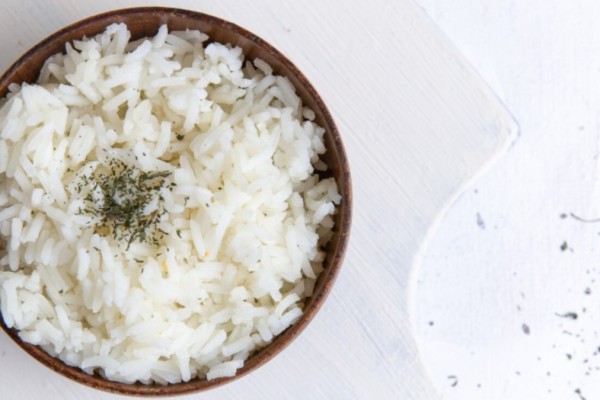
White rice provides energy and some essential nutrients but eating it regularly can have both positive and negative effects on health. How much, how it is cooked, the overall diet we eat and our health status all play a part in this.
Here is a closer look at the health effects of eating white rice and how to include it in your diet.
Related Articles


1. Provides Energy to the Body
White rice is high in carbohydrates the body’s main source of energy. Carbohydrates are broken down after digestion into glucose which fuels brain, muscles and other organs.
People who exercise or need energy throughout the day can have moderate amounts of rice in their meals. But the quantity should be balanced with other food groups.
2. Easy to Digest
One of the reasons white rice is so popular is that it’s easy to digest — during processing the outer bran and germ layers are removed leaving only the starchy inner part.
Related Articles


So white rice can be eaten by some people who have temporary digestive discomfort or are on certain medically recommended low fibre diets but tolerance may vary.
3. May Increase Blood Sugar Levels
One health consideration with white rice is that it affects blood glucose levels. Since it is a refined carbohydrate it’s generally digested faster than whole grains like brown rice.
Eating too much can raise blood sugar levels (diabetes or insulin resistance). People managing their blood sugar should watch serving sizes and combine rice with protein, vegetables and fibre foods.
4. May Contribute to Weight Gain
White rice does not cause weight gain by itself; however if you eat large portions regularly (calorie intake is not balanced) then you will be consuming more calories than necessary.
Big portions of oil, ghee or high calorie accompaniments can also increase the energy content of a meal.
Control portion sizes and include vegetables, pulses and protein sources to create balanced meals.
5. Contains Important Nutrients
White rice loses some nutrients during processing but it still has small amounts of folate, thiamine, niacin, iron and magnesium. Fortified white rice may also contain additional nutrients depending on the product.
However it generally contains less fibre and fewer naturally occurring nutrients than brown rice because the bran and germ are removed.
6. May Affect Digestive Health
White rice has less dietary fibre than whole grains. Fibre helps keep bowel movements regular and maintains a healthy digestive system.
People who eat a lot of white rice but very little vegetables, fruits and pulses may not get enough fibre. Fibre-rich foods eaten with rice can help promote better digestive health.
7. How to Eat White Rice More Healthily
You don’t necessarily need to cut out white rice from your diet for good health: a few simple habits can make your meals more balanced:
- Control your portion sizes instead of eating large servings.
- Mix rice with vegetables, dal, beans or other protein sources.
- Salads and fibre-rich foods should be eaten in your meals too.
- Avoid adding excessive oil, butter or ghee.
- Alternate between white rice and brown rice or other whole grains.
- People with diabetes need to monitor their own blood glucose response.
Conclusion
White rice can be part of a healthy and balanced diet when eaten in appropriate amounts. It gives energy, is easy to digest and can be used with many other nutritious foods.
However eating too much can cause blood sugar spikes and make it harder to control calorie intake. The best way is to control portions and combine rice with vegetables, protein and fibre rich foods.
Disclaimer: This article is for general information purposes only and should not be used as a substitute for professional medical advice. People with diabetes or other medical conditions should seek the advice of a qualified healthcare professional (GP) or dietitian for personalised dietary guidance.




Comments 0