
For many people, morning coffee is an essential part of starting the day. But sometimes that first cup can be followed by an uncomfortable sensation of a pounding, fluttering or racing heart. This feeling is commonly described as heart palpitations.
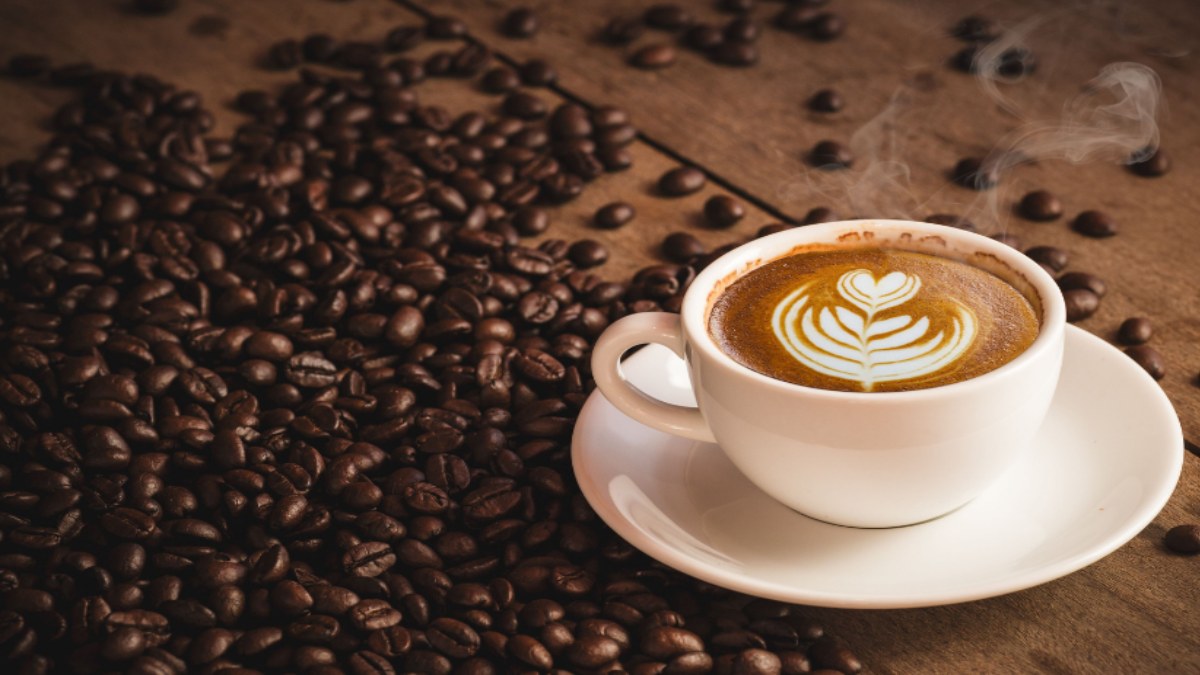
Caffeine is a stimulant that can temporarily increase alertness and, in some people, raise heart rate or make normal heartbeats feel more noticeable. Sensitivity varies significantly from person to person. The amount of caffeine consumed, sleep quality, stress, hydration, medications and underlying health conditions can all influence how someone responds to coffee.
Occasional, brief palpitations without other symptoms are often not dangerous. However, certain symptoms accompanying a racing heartbeat should never be ignored.
Related Articles


Why Can Coffee Make Your Heart Race
Caffeine stimulates the nervous system and can increase the release of hormones such as adrenaline. This may make you feel more alert but can also cause temporary changes in heart rate and blood pressure.
Some people are particularly sensitive to caffeine. Drinking coffee on an empty stomach, consuming several caffeinated beverages close together, being dehydrated or already feeling anxious can make palpitations more noticeable.
The amount of caffeine also matters. A strong coffee, energy drink or combination of caffeinated products may provide considerably more caffeine than someone realizes.
Related Articles


Six Warning Signs You Should Not Ignore
1. Chest Pain or Pressure
A racing heart accompanied by chest pain, pressure, tightness or discomfort requires prompt medical attention. Do not assume that these symptoms are simply a reaction to caffeine.
Chest discomfort can have many causes, some of which can be serious. If it is severe, persistent or accompanied by other concerning symptoms, seek emergency medical care.
2. Shortness of Breath
If your heart starts racing and you suddenly feel unable to breathe normally, don't simply blame the coffee.
Shortness of breath can occur with anxiety or other relatively harmless conditions, but it can also accompany significant heart or lung problems. New or unexplained breathing difficulty should be evaluated by a healthcare professional.
3. Fainting or Feeling Like You May Pass Out
Feeling faint, losing consciousness or experiencing significant dizziness during an episode of rapid or irregular heartbeat is a warning sign.
A sudden change in heart rhythm can sometimes affect how effectively the heart pumps blood. Anyone who experiences fainting associated with palpitations should receive medical evaluation.
4. A Very Fast or Irregular Heartbeat That Doesn't Settle
A brief increase in heart rate after caffeine may resolve as its effects wear off. But if your heart continues racing for an unusually long period, repeatedly becomes extremely fast or feels markedly irregular, it deserves attention.
Keep track of when episodes occur, how long they last and what you consumed beforehand. This information can help a doctor determine whether further testing is necessary.
5. Severe Weakness, Confusion or Unusual Sweating
Palpitations accompanied by severe weakness, confusion, unusual sweating or a feeling that something is seriously wrong should not be dismissed.
These symptoms can occur for several reasons, and some require urgent assessment. If symptoms are sudden or severe, seek emergency medical help rather than waiting for them to disappear.
6. Palpitations That Keep Coming Back
Even if individual episodes are brief, recurrent palpitations should be discussed with a doctor, particularly if they are becoming more frequent or intense.
A healthcare professional may review your caffeine intake, medications and medical history and may recommend tests such as an electrocardiogram or heart-rhythm monitoring when appropriate.
Should You Stop Drinking Coffee
Not necessarily. Many healthy adults can consume moderate amounts of caffeine without experiencing serious problems. However, if coffee consistently triggers uncomfortable palpitations, consider reducing your intake and discussing the symptoms with a healthcare professional.
Avoid suddenly increasing caffeine consumption, especially through energy drinks or concentrated caffeine products. Pay attention to other sources such as tea, chocolate, pre-workout supplements and certain medications.
Staying hydrated, getting adequate sleep and avoiding excessive stimulant intake may also help reduce episodes.
When Should You Seek Emergency Help
A racing heartbeat accompanied by chest pain, severe shortness of breath, fainting, severe dizziness or other serious symptoms should be treated as a medical emergency. Do not drive yourself if you are seriously unwell.
For recurring but less severe palpitations, arrange a medical evaluation to identify possible triggers and rule out an underlying heart-rhythm problem.
A racing heart after morning coffee can be caused by caffeine sensitivity and may be temporary, but it should not automatically be dismissed. The key is to pay attention to the pattern, duration and symptoms that occur alongside the palpitations.
If your heart repeatedly races after coffee, consider reducing caffeine and keeping a record of your symptoms. Most importantly, seek medical advice if episodes are persistent, recurrent or accompanied by chest discomfort, breathing problems, fainting or severe dizziness.
Coffee may be part of a healthy lifestyle for many people, but your body's response matters. When it comes to heart symptoms, it is better to get unusual or concerning symptoms checked than to assume they are simply caused by your morning caffeine.

Comments 0