
The high blood sugar doesn’t necessarily show up for a long time with visible symptoms. In some people, glucose levels can remain high for a long time before they notice anything unusual. However, if certain changes in the body (e.g., excessive thirst, frequent urination, increased hunger, blurry vision) are present, blood sugar may need to be treated.
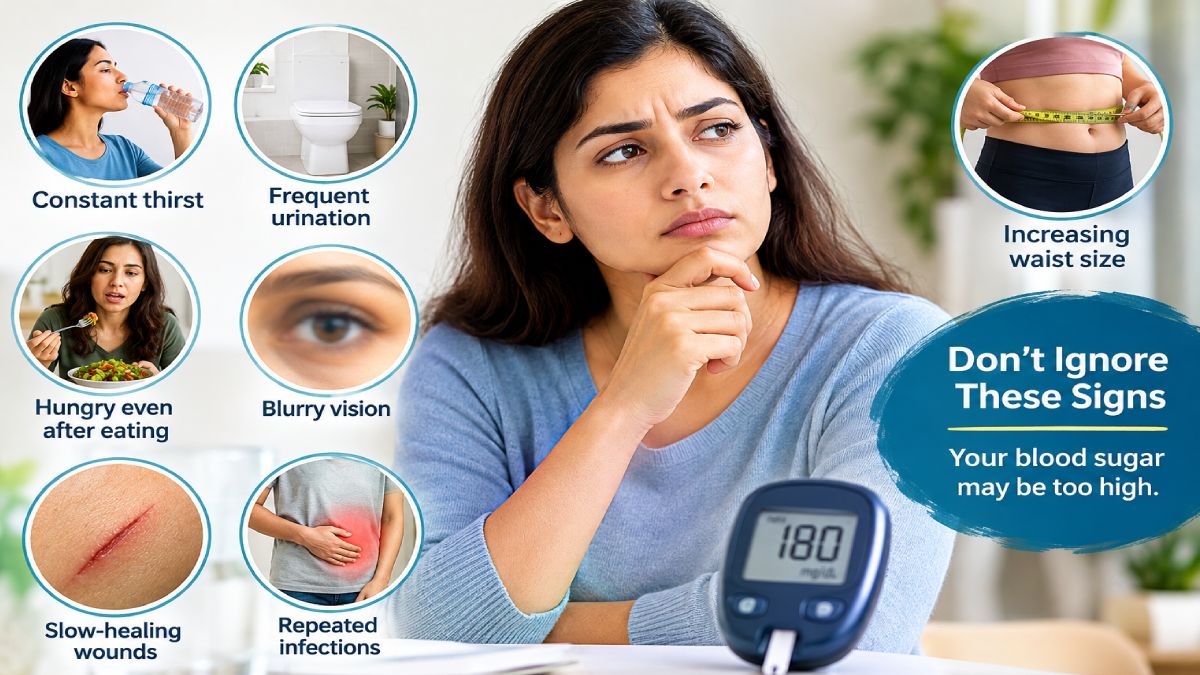
Dr Ravi K Gupta, MD, MD Anderson, BMT + CAR-T, US-board-certified oncologist, recently highlighted several possible warning signs of elevated blood glucose in an Instagram post shared on September 6, 2026.
“Your blood sugar can stay high before you feel like anything is wrong,” Gupta wrote. He pointed out that constant thirst, frequent hunger, blurry vision, slow-healing cuts and repeated infections can provide clues. But he said high blood sugar can lead to no noticeable symptoms at all and ongoing testing is important.
Related Articles


1. Constant thirst and frequent urination
One of the possible telltale signs of high blood sugar is feeling unusually thirsty throughout the day. This causes kidneys to work to flush out excess glucose in urine when glucose levels are high. This will increase urination and cause fluid loss, and you will be thirsty more often.
If excessive thirst leads to frequent trips to the bathroom, especially at night, then perhaps these are symptoms which would be well-dressed to talk to a doctor.
2. Feeling hungry even after eating
High blood glucose does not necessarily mean your body’s cells are receiving and using glucose efficiently. And some people may be hungry or have even more cravings after eating a meal.
Related Articles


The persistent hunger and unexplained fatigue or low energy may not be attributed to an unhealthy diet or lack of sleep alone. Blood glucose testing may help identify whether there is an underlying metabolic problem.
3. Cuts that take longer to heal
If blood sugar levels persistently rise, it will affect circulation and immune function, and so it is more difficult for the body to repair damaged tissue effectively.
If minor cuts, wounds or sores always take longer than expected to heal and are accompanied by other symptoms, you should talk to a doctor and have blood glucose checked.
4. Blurry or fluctuating vision
High glucose levels are responsible for temporarily altering fluid balance in the eye and therefore vision. Some people might see blurry or fluctuating eyesight when blood sugar rises.
Sudden or large changes in vision should never be ignored. High blood sugar can be one possible reason for this, but vision changes may be attributed to more than one cause and require a rapid medical examination.
5. Repeated infections
High blood glucose may also increase the likelihood of infections in certain areas of the body, including urinary tract, fungal and some skin infections. If infections keep returning despite treatment, we need to look at the underlying factors, for example, blood sugar levels.
6. Increasing waist circumference
An expanding waistline is associated with increased abdominal fat and insulin resistance. Dr Gupta also pointed out that South Asians can face metabolic risks at lower BMI levels than some other populations.
And waist circumference changes might be another reason to pay closer attention to metabolic health, even if your body weight has not changed drastically.
Sometimes, there are no symptoms
The most profound message is that high blood sugar can be present without obvious warning signs. Prediabetes and type 2 diabetes can be slow to develop and routine health checks and proper blood glucose testing are very important in people with risk factors.
If you notice persistent thirst, frequent urination, unusual hunger, vision changes, slow-healing wounds or recurrent infections, seek advice from a qualified healthcare professional rather than diagnose yourself.
About the doctor
Dr Ravi K Gupta is a US-board-certified oncologist and internist associated with MD Anderson with BMT and CAR-T. He received his MBBS from PGIMS Rohtak.
Disclaimer:
This is for information only and is not a substitute for professional medical advice. The content of this article is user-generated social media content and publicly shared claims. HT.com does not independently verify the social media claims and does not endorse them. Consult a qualified healthcare professional for diagnosis, testing and treatment.


Comments 0