
Refrigerators are an important part of modern kitchens — families use them to store cooked meals, fresh vegetables and fruits, dairy products etc. Refrigeration slows bacterial growth so food doesn’t spoil quickly but keeping food in the fridge for too many days doesn’t mean it is safe to eat anymore.
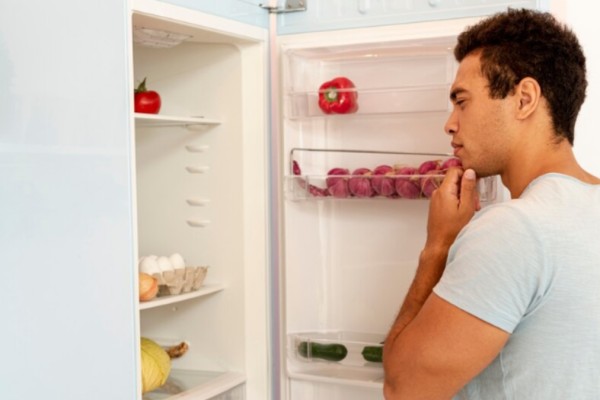
People often prepare meals ahead of time and store leftovers for several days to save time. But improper storage (at wrong temperatures), incorrect refrigerator temperatures and keeping food too long can increase the risk of foodborne illnesses.
So how long can you store food in the fridge? Here is what you need to know about food storage, health risks and simple safety tips.
Related Articles


1. Is Keeping Food in the Fridge Healthy?
Yes, refrigerating food is generally healthy and safe when done right. Low temperatures slow down the growth of many harmful bacteria and help preserve food quality.
But refrigeration does not kill all bacteria. Some microorganisms can grow slowly even at refrigerator temperatures. So if food is stored longer than recommended it increases the risk of contamination with food.
2. How Long Can Different Foods Stay in the Fridge?
Different food items require different storage conditions. Their shelf life depends on freshness, preparation methods, packaging and refrigerator temperature.
Related Articles


Here are some general food-storage guidelines:
- Cooked food and leftovers: 3–4 days.
- Cooked chicken and meat: 3–4 days.
- Raw chicken: 1–2 days.
- Raw fish: 1–2 days.
- Hard-boiled eggs: Up to 1 week.
- Soups and stews: 3–4 days.
- Opened lunch meat: 3–5 days.
These are general guidelines for properly refrigerated food (4°C or below). Always follow product instructions.
3. What happens when you leave food in the fridge for too long?
Storing food for longer than recommended may lead to bacterial growth and foodborne illnesses.
Some contaminated foods may cause stomach pain, diarrhoea, vomiting, nausea and fever.
Another concern is that harmful bacteria do not always change the smell, taste or appearance of food. Food can look fresh but still be unsafe to eat.
So tasting old leftovers to see if they are safe is not advised.
4. Does refrigeration decrease the nutritional value of food?
Refrigeration generally slows down spoilage of many foods so that nutritional quality is maintained. Some nutrients (especially vitamins) may decrease over time in storage.
Fruits and vegetables can also lose freshness, texture and flavour when stored for long periods of time.
Buy fresh ingredients regularly to ensure better nutritional quality and don’t store cut fruits and vegetables for too long.
5. Simple Tips to Store Food Safely
A few basic practices can help keep refrigerated food safe:
- Keep your refrigerator temperature below 4°C.
- Store cooked food in clean, airtight containers.
- Refrigerate perishable food within two hours of preparation or one hour if temperatures exceed 32°C.
- Divide large portions into small shallow containers so food cools quickly.
- Keep raw meat and seafood separate from cooked and ready-to-eat foods.
- Label containers with preparation dates.
- Clean refrigerator shelves regularly.
- Freeze leftovers if you can’t eat them within 3–4 days.
6. When Should You Throw Away Refrigerated Food?
Discard food that has been stored longer than recommended or stored under unsafe conditions. Throw away food with visible mould, texture change or other signs of spoilage.
Remember smell and appearance alone cannot guarantee food safety.
Conclusion
Refrigerating food inside the refrigerator is one way to prevent food spoilage and protect your health but refrigeration is not a permanent preservation method. Storage periods should be followed, correct temperature maintained and clean containers used for food safety.
Don’t put lots of cooked food in the fridge for several days. Instead make small portions and freeze whatever you can’t eat within that time frame.
Disclaimer: This article is for general food-safety awareness and education purposes only. Local food safety guidance should be followed and product specific storage instructions followed.




Comments 0