
Allergies are common health problems that can affect people of all ages. They happen when the immune system reacts strongly to things that normally don’t do anything (dust, pollen, certain foods, pet hair or insect bites). Symptoms may include sneezing, runny nose, itchy eyes, skin rashes, swelling and breathing problems.
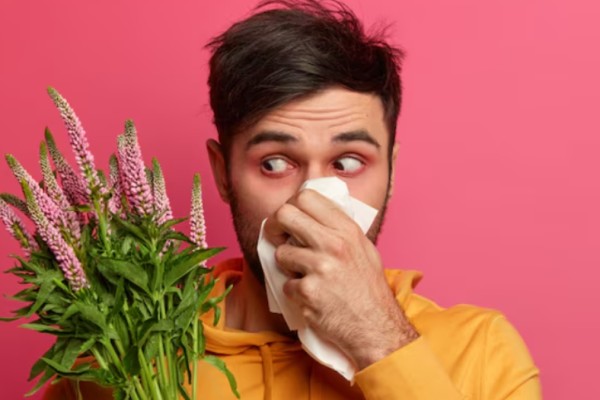
People often want a cure for allergies because symptoms can interfere with daily life. Not every allergy is cured but some medical treatments reduce sensitivity to allergens and provide long-lasting relief.
1. Understand What Causes Your Allergy
The first step in managing an allergy is finding out what causes it. Common allergens are:
Related Articles


- Dust mites: Often found in mattresses, pillows, carpets and curtains.
- Pollen: Can cause seasonal sneezing and breathing problems.
- Certain foods: Milk, eggs, peanuts, shellfish and nuts can trigger food allergies.
- Pet dander: Proteins from animals can cause allergic reactions.
- Insect stings: Bee and wasp stings can cause serious reactions in some people.
- Medicines: Certain antibiotics and other medications can trigger allergies.
Knowing which allergen it is helps doctors to recommend the right treatment.
2. Consider Allergy Immunotherapy
Allergen immunotherapy is one of the most important long-term treatment options for certain allergies. It exposes the immune system to small amounts of an identified allergen over time (gradually).
Over time the immune system might get less sensitive to that substance.
Related Articles


There are two common forms of immunotherapy:
- Allergy shots: These injections are given under medical supervision over time. Treatment usually includes an initial build-up phase followed by maintenance doses.
- Sublingual immunotherapy: Some allergy treatments are tablets or drops that are put under the tongue. They’re used for particular allergens and aren’t suitable for every patient.
Course length varies but is usually 3 to 5 years. Some patients get long term relief even after treatment ends (results vary).
3. Avoid Your Allergy Triggers
Avoiding allergens is another way to control allergic reactions.
People allergic to dust mites can wash their sheets regularly, clean their homes and use allergen-proof mattress covers. Pollen sufferers could keep windows shut during pollen season and shower after being outdoors.
People with food allergies should check food labels carefully and avoid known triggers. This is especially important if someone has had severe reactions to food.
4. Use Medicines Under Medical Guidance
Antihistamines can help control sneezing, itching and runny nose. Nasal corticosteroid sprays may reduce inflammation of allergic rhinitis.
Doctors may also prescribe eye drops, skin treatments or other medicines depending on the allergy.
These treatments tend to control symptoms rather than permanently remove the allergy.
5. Can Food and Lifestyle Changes Cure Allergies?
A balanced diet, exercise and sleep help general health but there is no evidence in science that a particular food, detox drink or home remedy cures allergies forever.
Don’t eliminate major food groups without medical advice (especially in children).
6. When Should You See a Doctor?
If symptoms keep coming back, interfere with sleep or daily activities or do not respond to ordinary treatment consult an allergist or other qualified healthcare professional.
If an allergic reaction causes difficulty breathing, swelling of throat or tongue, faintness or sudden severe symptoms (anaphylaxis), get emergency medical help immediately. This could be a life-threatening allergic reaction. If epinephrine is available, use it right away.
Conclusion
There is no single permanent cure for every type of allergy, but pinpointing triggers, avoiding exposure, using the right medicines and allergen immunotherapy may give long-term control. The best treatment is determined by the type and severity of the allergy so a proper medical evaluation is the safest starting point.
Disclaimer: This article is for informational purposes only and is not a substitute for professional medical advice. Consult a qualified doctor for proper diagnosis and treatment of allergies.




Comments 0