
Idli-sambar is one of India's most popular breakfast combinations. Light, comforting and easy to digest, it is often described as a healthy meal and is sometimes assumed to be a high-protein choice because both idli and sambar involve pulses. But does a typical plate of idli-sambar actually provide as much protein as you might think.
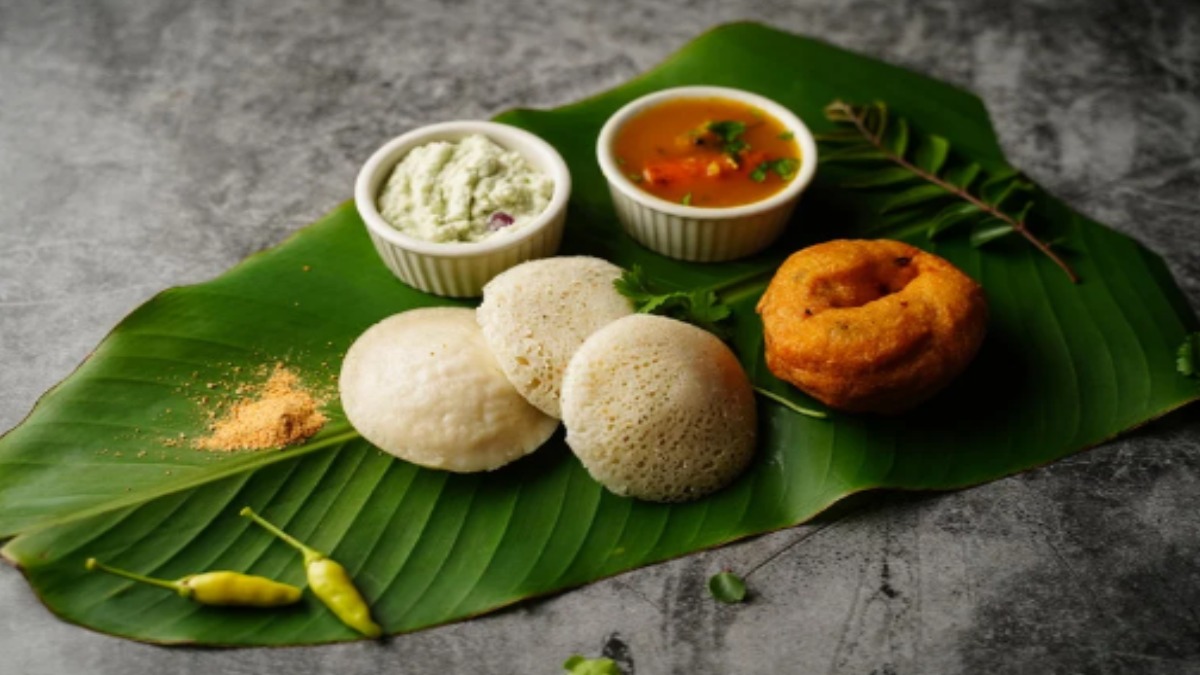
The answer depends on portion size, preparation and the amount of dal used in the sambar. While idli-sambar can certainly contribute protein to your diet, it may not be accurate to consider every plate a high-protein meal. Understanding what is actually on your plate can help you build a more balanced and satisfying meal.
Where Does the Protein in Idli Come From
Traditional idli is generally made from fermented rice and urad dal. The urad dal contributes protein, while rice provides carbohydrates and energy.
Related Articles


However, the proportion of rice to dal matters. A typical idli contains a relatively modest amount of protein because rice makes up a significant portion of the batter. Eating one or two idlis alone is therefore unlikely to provide a large amount of protein.
Fermentation is one of the qualities that makes idli interesting nutritionally. The process can improve the texture and may make some nutrients easier to digest. Nevertheless, fermentation does not magically turn idli into a high-protein food.
What About Sambar
Sambar can be a more significant source of protein because it is prepared with lentils or dal. The exact nutritional value varies considerably depending on the recipe.
Related Articles


A bowl containing a generous amount of cooked dal will generally provide more protein than a thin sambar with only a small quantity of lentils. Vegetables such as tomatoes, onions, carrots, pumpkin, drumsticks and brinjal add fibre, vitamins and minerals, but they contribute relatively little protein compared with dal.
Therefore, when assessing the protein content of an idli-sambar meal, the amount of dal in the sambar is an important factor.
Idli-Sambar Is More Than Just Protein
One reason idli-sambar remains a popular breakfast is that it can provide a combination of carbohydrates, protein, fibre and micronutrients.
Idli primarily supplies carbohydrates, while sambar can add protein and vegetables. If the meal includes coconut chutney, additional fat and calories may be added, depending on the quantity and preparation.
This combination can form part of a balanced diet. The key is to consider the entire meal rather than labelling one food as simply "healthy" or "unhealthy."
Why Portion Size Matters
Nutrition claims can become misleading when portion sizes are ignored. The protein in two idlis will be different from the protein in four or five idlis. Similarly, a small serving of sambar cannot be compared with a large bowl packed with dal and vegetables.
If your goal is to increase protein intake, simply adding more idlis may not be the most effective strategy because this primarily increases carbohydrate intake. Increasing the protein-rich components of the meal may be more useful.
How to Make Idli-Sambar More Protein-Rich
There are several practical ways to improve the protein balance of this traditional breakfast without abandoning the foods you enjoy.
Increase the dal in sambar: Preparing sambar with a more generous amount of lentils can increase its protein contribution.
Add a protein-rich side: Curd or Greek-style yogurt can complement idli and add protein. Unsweetened versions are generally preferable when you want to keep added sugar low.
Include eggs if you eat them: Eggs can provide a convenient source of high-quality protein alongside a traditional breakfast.
Try different idli variations: Some recipes incorporate ingredients such as moong dal, millets or other pulses. These can alter the nutritional profile, although the exact protein content depends on the recipe.
Add sprouts or legumes: A small serving of sprouts, roasted chana or another pulse-based side can make breakfast more protein-focused.
Is Idli-Sambar a Good Choice for Weight Management
Idli-sambar can fit into a weight-management diet. The meal itself is not inherently fattening or slimming. Overall calorie intake, portion sizes, cooking methods, physical activity and the rest of the diet matter much more.
Steamed idlis contain relatively little added fat because they are cooked without frying. Sambar can also be relatively light, particularly when it contains plenty of vegetables and a moderate amount of oil.
However, large portions, calorie-dense chutneys or additional fried foods can substantially change the overall calorie content of the meal.
The Bigger Picture: Protein in the Indian Diet
For people trying to increase protein intake, focusing on a variety of protein sources is more useful than relying on a single traditional food.
Dal, beans, chickpeas, peas, soy products, dairy, eggs, fish, chicken and other foods can all contribute protein depending on dietary preferences. Combining different foods throughout the day can make it easier to meet individual nutritional needs.
People with specific dietary requirements, medical conditions or fitness goals may benefit from personalised advice from a qualified dietitian or healthcare professional.
Idli-sambar is a nutritious and culturally important Indian meal, but calling every plate "high in protein" can be an oversimplification. Idli gets some of its protein from urad dal, while sambar can provide a more substantial contribution through lentils. The actual amount depends on ingredients and portion sizes.
Rather than avoiding this beloved breakfast or treating it as a complete protein powerhouse, think of idli-sambar as one component of a balanced diet. Add a generous serving of dal-rich sambar and pair it with other protein sources when needed. This approach allows you to enjoy traditional Indian food while building a more nutritionally balanced plate.

Comments 0