
Avocados have become increasingly popular among health-conscious consumers, and the fruit is also gaining attention for its potential as an Indian-grown food. Prime Minister Narendra Modi has highlighted the goodness of “Indian avocados,” bringing renewed attention to a fruit that is valued for its creamy texture, versatility and nutrient profile.
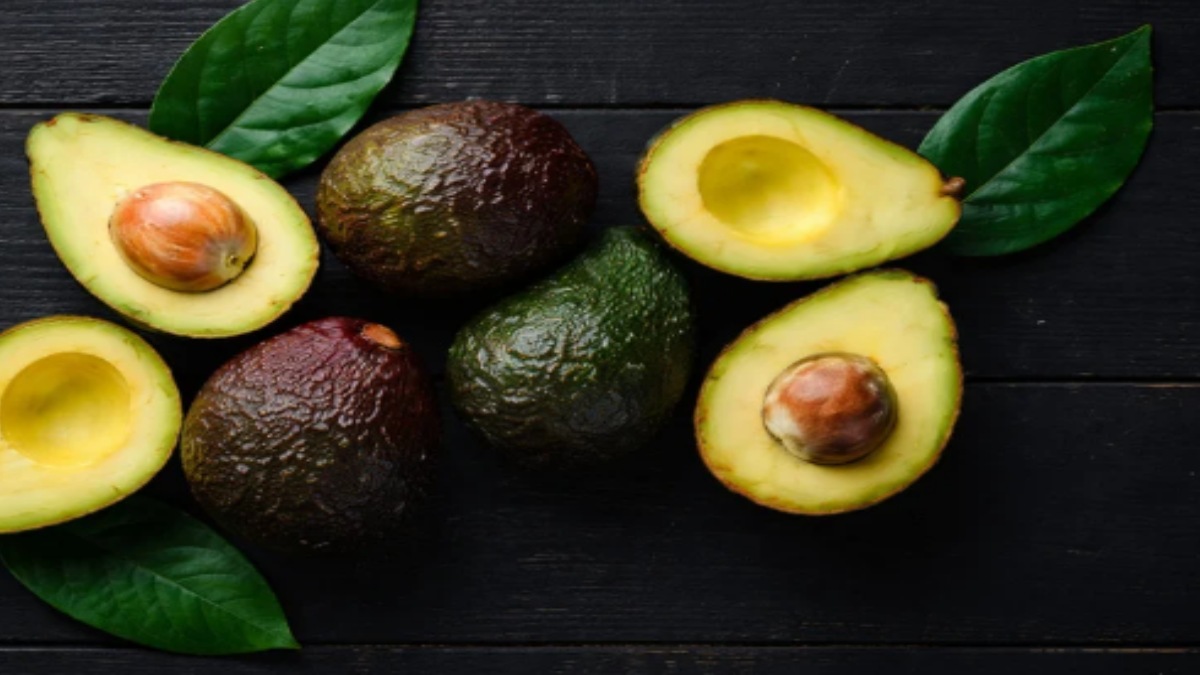
While avocados are often associated with international cuisines, they can be cultivated in several parts of India. As interest in locally grown produce increases, Indian avocados offer another nutritious option for people looking to add variety to their everyday diet.
But what makes avocado worth including in your meals, From heart-friendly unsaturated fats to dietary fibre and several essential nutrients, this fruit can complement a balanced eating pattern in many ways.
Related Articles


A Source of Healthy Fats
One of the most distinctive nutritional features of avocado is its fat content. Unlike foods dominated by saturated or trans fats, avocado contains predominantly monounsaturated fat.
These unsaturated fats can be part of a heart-healthy diet when they replace foods higher in saturated fat. Adding avocado to meals may also make them more satisfying, which can be useful for people trying to build balanced meals rather than relying on highly processed snacks.
However, avocado is still relatively energy-dense because of its fat content. Portion size therefore matters, especially for people monitoring their overall calorie intake.
Related Articles


Rich in Dietary Fibre
Avocado can also contribute dietary fibre to the diet. Fibre plays an important role in digestive health and can help support regular bowel movements. Fibre-rich foods may also contribute to feelings of fullness after meals.
Including avocado alongside vegetables, whole grains, pulses and fruits can therefore help create meals with a broader range of nutrients and textures.
Provides Important Vitamins and Minerals
Avocados contain several vitamins and minerals, including folate, vitamin K, vitamin E, vitamin C and potassium. These nutrients perform different functions in the body, supporting processes ranging from normal cell function and immunity to bone health and fluid balance.
The nutritional value of an overall diet depends on eating a variety of foods, so avocado should be viewed as one useful component rather than a replacement for other fruits and vegetables.
May Support Heart Health
A diet rich in vegetables, fruits, whole grains, legumes, nuts and unsaturated fats is generally associated with better cardiovascular health. Avocado can fit comfortably into this dietary pattern because it provides monounsaturated fat, fibre and potassium.
For people trying to improve their eating habits, replacing foods such as butter or certain creamy spreads with mashed avocado can be one practical way to increase unsaturated fat intake.
Helpful for Balanced Meals
Another reason avocado is popular is its versatility. It can be used in breakfast, lunch, snacks and even some Indian-style preparations.
You can spread mashed avocado on whole-grain toast, add slices to a vegetable sandwich, mix it into a salad or use it as a creamy addition to a bowl containing dal, vegetables and whole grains. It can also be paired with tomatoes, onions, coriander, lemon and spices for a simple Indian-inspired dip or side.
The key is to combine it with other nutritious foods rather than turning it into a meal dominated by refined carbohydrates or excessive salt.
Indian Avocados and Local Food Choices
The growing interest in Indian-grown avocados also highlights a broader conversation about agricultural diversity and locally produced foods. Different regions of India have suitable conditions for cultivating avocado, and local production can provide consumers with an additional fruit option.
Buying locally grown produce when available may also encourage regional farmers and expand awareness of crops beyond traditional staples. Availability, quality and seasonality can vary by region, so consumers should choose fresh produce from reliable sources.
How Much Avocado Should You Eat
There is no single portion that is appropriate for everyone. Avocado can be nutritious, but it is more calorie-dense than many fruits. A modest serving incorporated into a balanced meal is generally a practical approach.
If you have specific dietary requirements, allergies or a medical condition requiring dietary restrictions, speak with a qualified healthcare professional or registered dietitian before making significant changes to your diet.
Indian avocados are gaining attention as a nutritious and versatile fruit that can fit into a balanced diet. Their combination of monounsaturated fats, fibre, vitamins and minerals makes them an appealing addition to meals.
Whether eaten on toast, added to salads, paired with vegetables or incorporated into homemade dips, avocado can bring both nutrition and variety to the plate. The bigger lesson is not to treat any single food as a miracle ingredient, but to build meals around a diverse range of fruits, vegetables, whole grains, pulses, nuts, seeds and other nutrient-rich foods.
With growing interest in Indian-grown produce, the humble avocado could become an increasingly familiar part of the country's diverse food landscape.

Comments 0