
Poha (flattened or beaten rice) is a breakfast staple in many Indian households. Easy to make, cheap and easy to customise, it’s a healthier alternative to heavier breakfast food. But is your morning bowl of poha actually as healthy as you think.
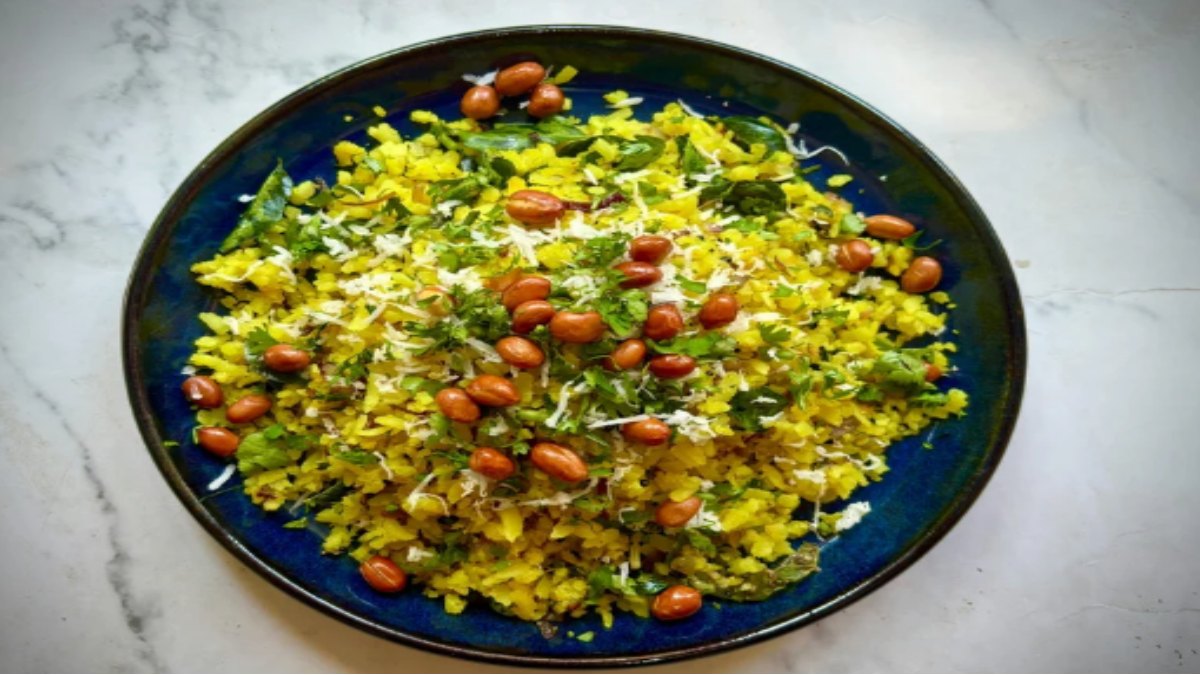
The answer depends on how you eat it and what you add to it. Poha is a part of a healthful breakfast but a plate of flattened rice with no protein or vegetables is not the most robust.
What makes poha a good breakfast choice
Poha is made from rice that has been parboiled, flattened and dried. It is relatively light and digestible so it is common for breakfast and it is easy to digest. It provides carbohydrates which is the human body’s primary source of energy and can feed your morning activity.
Related Articles


It can be at least a good option for people who want a quick homemade breakfast. Poha can also provide a moderate amount of calories, and not be too heavy.
It also has some flexibility. Add vegetables, peanuts, sprouts, herbs and spices to make a basic bowl of poha a more nutrient-dense one.
The biggest nutritional weakness: protein
One of the most important things to notice is plain poha is not really high in protein. A breakfast with most of poha may leave some people hungry again relatively quickly.
Related Articles


Protein is crucial for muscle maintenance, tissue repair and satiety. So nutritionists tend to suggest that carbohydrate-rich breakfast foods be served with protein.
You can improve the protein content of poha by adding peanuts, green peas, sprouts, roasted chana or boiled eggs on the side. A vegetarian breakfast with poha and curd (or any protein-rich alternative) can also add to the breakfast balance as well.
Add vegetables for more fibre and micronutrients
A quick way to improve your poha is to add a lot of vegetables. Peas, carrots, beans, capsicum, onions, tomatoes and coriander can add fibre, vitamins, minerals, colour and texture.
Vegetables will also increase the volume of your meal without necessarily adding a lot of calories. Fibre has been proven to assist digestive health and may help you feel fuller for longer.
If your usual poha contains only onions and potatoes, consider slowly increasing the number and variety of vegetables.
Watch the oil, peanuts and portion size
Poha itself is not unhealthy but preparation is key. Excessive oil can increase the calorie content of the meal. Peanuts are healthy and provide some protein and healthy fats, but they are energy-dense and portion sizes matter.
The same goes for toppings and accompaniments. A moderate amount of peanuts can improve the nutritional profile; large amounts of oil, fried toppings or too many can make a light breakfast a much heavier meal.
What about potatoes in poha
Potatoes are not inherently unhealthy. They provide carbohydrates, potassium and other nutrients. But if a lot of potatoes and very few vegetables or protein sources are added, the total meal could be less balanced.
Instead of making potatoes the main ingredient, use them as one component along with vegetables, peanuts or sprouts.
Can poha help weight management
Poha can be part of a weight-management diet but no single food causes weight loss by itself. Total calorie intake, physical activity, sleep, dietary quality and portion sizes all matter.
If you want to lose weight, focus on building a satisfying plate rather than simply eliminating carbohydrates. A reasonable serving of poha combined with vegetables and a protein source can be more sustainable than severely restricting food.
A nutritionist-friendly poha formula
For breakfast to be a good breakfast, consider your poha as a base rather than the whole meal.
Try combining:
Poha: for carbohydrates and energy. Vegetables: for fibre and micronutrients. Peanuts or sprouts: for additional protein and healthy fats. Curd or eggs: for a further protein boost, depending on your dietary preference. Lemon and coriander: for freshness and flavour. Moderate oil: to keep the overall meal balanced.
This way your breakfast is much more diverse and nutritionally balanced and doesn’t take away the taste of traditional poha.
Is poha healthy every day
Poha can be regularly part of a balanced diet but variety is important. Rotating it with other nutritious breakfast choices like idli, dosa, upma, oats, eggs, vegetable sandwiches, millet-based dishes or dal-based meals can help you get a broader range of nutrients.
People with diabetes or other medical conditions may also need to pay closer attention to carbohydrate portions and the overall composition of their breakfast. The nutritional needs of each individual can be different, so proper nutrition advice from a qualified dietitian or healthcare professional is preferable when managing a medical condition.
So, is your morning poha healthy, It can be. The key isn’t to simply characterize poha as “good” or “bad”, but to look at the whole plate.
Plain poha has carbohydrates and can be a light breakfast. But adding vegetables and a meaningful protein source can make it much more satisfying and nutritionally balanced. Keeping oil and portion sizes reasonable is equally important.
The next time you prepare poha, don’t just ask how much poha is in your bowl. Ask what else is on the plate. A few simple additions can turn this humble Indian breakfast into a more wholesome start to your day.
Note: Nutritional needs vary from person to person. If you have diabetes, kidney disease, food allergies or another medical condition, consult a qualified healthcare professional for personalised dietary advice.

Comments 0