
Janmashtami is celebrated with devotion, music, fasting and traditional foods associated with Lord Krishna. Among the most familiar is makhan, or white butter, which is traditionally linked with Krishna’s childhood stories. While it is often prepared fresh from cultured or churned cream, many people wonder whether this rich dairy food can also fit into a healthy diet.
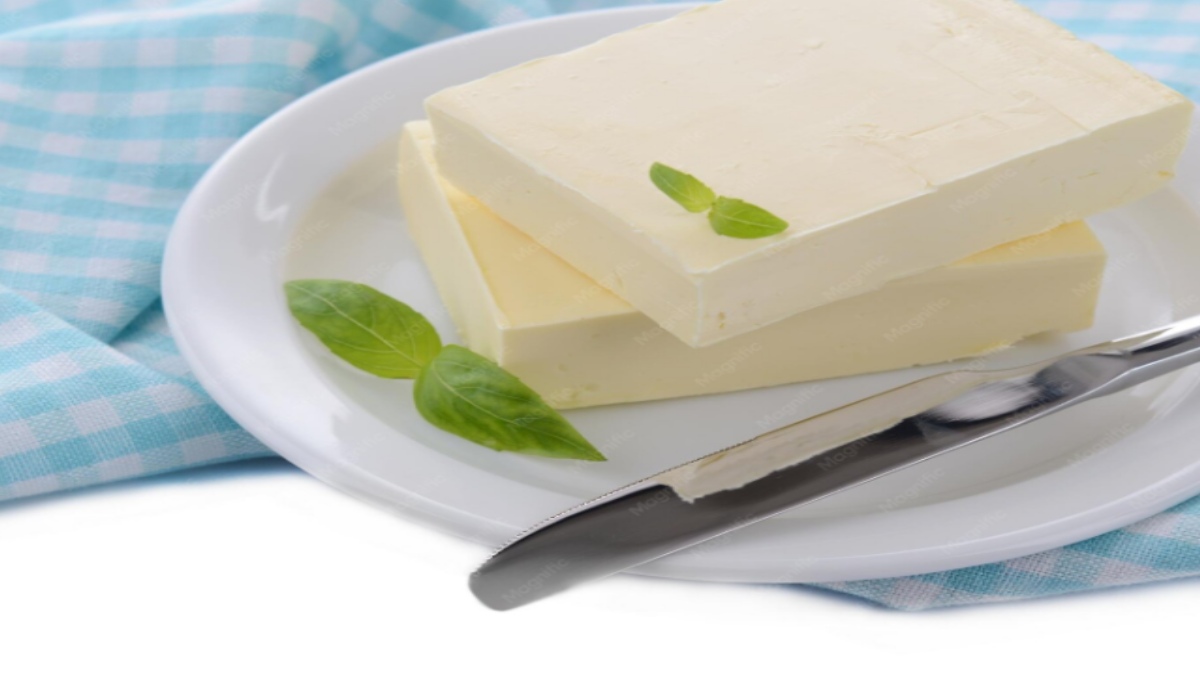
The answer depends largely on portion size, preparation method and an individual’s health needs. White butter is calorie-dense and contains a substantial amount of saturated fat, so it is not a food that everyone should eat freely. At the same time, butter does provide energy and fat-soluble vitamins and can be enjoyed occasionally as part of a balanced eating pattern.
Here are eight potential nutritional benefits of white butter, followed by important precautions for people who may need to limit it.
Related Articles


1. Provides Concentrated Energy
Butter contains a high amount of fat, making it a concentrated source of calories. For people who have higher energy requirements, a small serving can contribute significantly to total energy intake.
This can be useful in certain diets, but it also means portion control matters. Eating large quantities can quickly increase daily calorie intake.
2. Supplies Fat for the Diet
Dietary fat is an essential part of a balanced diet. Fat helps the body absorb fat-soluble vitamins and also contributes to the structure and function of cells.
Related Articles


White butter can therefore contribute dietary fat when consumed in moderation alongside vegetables, whole grains, pulses, fruits and protein-rich foods.
3. Contains Fat-Soluble Vitamins
Butter naturally contains small amounts of fat-soluble vitamins, particularly vitamin A, with the exact nutrient content depending on factors such as the animal’s diet and processing.
Vitamin A is important for normal vision, immune function and healthy skin. However, butter should not be considered a primary source of this vitamin; a varied diet provides many more nutrient-rich sources.
4. Can Make Meals More Satisfying
Adding a modest amount of fat to a meal can improve flavour and make food feel more satisfying. For some people, this may make nutrient-rich foods such as vegetables, rotis or traditional millet preparations more enjoyable.
The key is moderation. More butter does not automatically make a meal healthier.
5. Can Help Increase Calorie Intake When Needed
Some people, including those struggling to maintain weight because of poor appetite or increased nutritional requirements, may need calorie-dense foods. Butter can be one component of such a diet.
However, anyone experiencing unexplained weight loss should first discuss the cause with a healthcare professional rather than simply increasing butter consumption.
6. Supports the Absorption of Certain Nutrients
Because butter contains dietary fat, consuming a meal that includes a reasonable amount of fat can support absorption of fat-soluble vitamins such as vitamins A, D, E and K from other foods.
This does not mean butter is necessary for nutrient absorption. Nuts, seeds, dairy products, eggs, fish and various plant oils can also provide dietary fats.
7. Adds Traditional Flavour to Festive Foods
Food is also connected to culture, celebration and enjoyment. During Janmashtami, homemade makhan can be part of traditional recipes and festive offerings.
Allowing occasional traditional foods can help people maintain a balanced relationship with food rather than feeling that celebrations require complete dietary restriction.
8. Homemade White Butter May Have a Simpler Ingredient List
Traditionally prepared white butter can be made from cream or curd without the additives commonly found in some highly processed spreads. Homemade preparation also allows families to control ingredients and portion sizes.
However, “homemade” does not automatically mean low-calorie or suitable for everyone. Butter remains a concentrated source of fat, regardless of whether it is prepared at home or purchased.
Who Should Eat White Butter Carefully
People with high LDL cholesterol, certain heart-health concerns, obesity, or other conditions requiring a lower saturated-fat intake may need to limit butter. Dietary advice should be personalised rather than based on social media claims about a single food.
People with dairy allergies also need to avoid butter when medically advised. Individuals with digestive symptoms related to dairy or fat should discuss their diet with a qualified healthcare professional.
Anyone taking part in a religious fast should also check whether butter or the specific preparation meets their fasting tradition.
How Much Is Too Much
There is no universal amount of butter that is ideal for every person. Individual calorie needs, overall dietary pattern, activity level and health conditions all matter.
Instead of eating butter straight from the bowl or adding large amounts to every meal, use a small portion for flavour. Pair it with nutritious foods rather than building meals around it.
White butter, or makhan, can certainly be enjoyed during Janmashtami, but it is best viewed as a rich, occasional food rather than a health food that should be eaten without limits. It provides energy and dietary fat and contains some fat-soluble nutrients, but it is also high in saturated fat and calories.
For most healthy adults, enjoying a modest portion as part of an otherwise balanced diet can be perfectly reasonable. People with high cholesterol, cardiovascular risk factors or other dietary restrictions should be more careful and follow personalised medical or nutrition advice.
This Janmashtami, traditional foods such as makhan can remain part of the celebration just with the same principle that applies to most festive foods: enjoy the tradition, watch the portion and keep the overall diet balanced.


Comments 0