
The monsoon may bring relief from hot summer temperatures but the rainy season can also quietly disrupt daily health and hygiene routines. Many seasonal habits can have an unexpected impact on oral health in that they decrease drinking less water or reaching for endless cups of tea and plates of pakoras. If dental care has taken a back seat during the rains, it is time to pay closer attention.
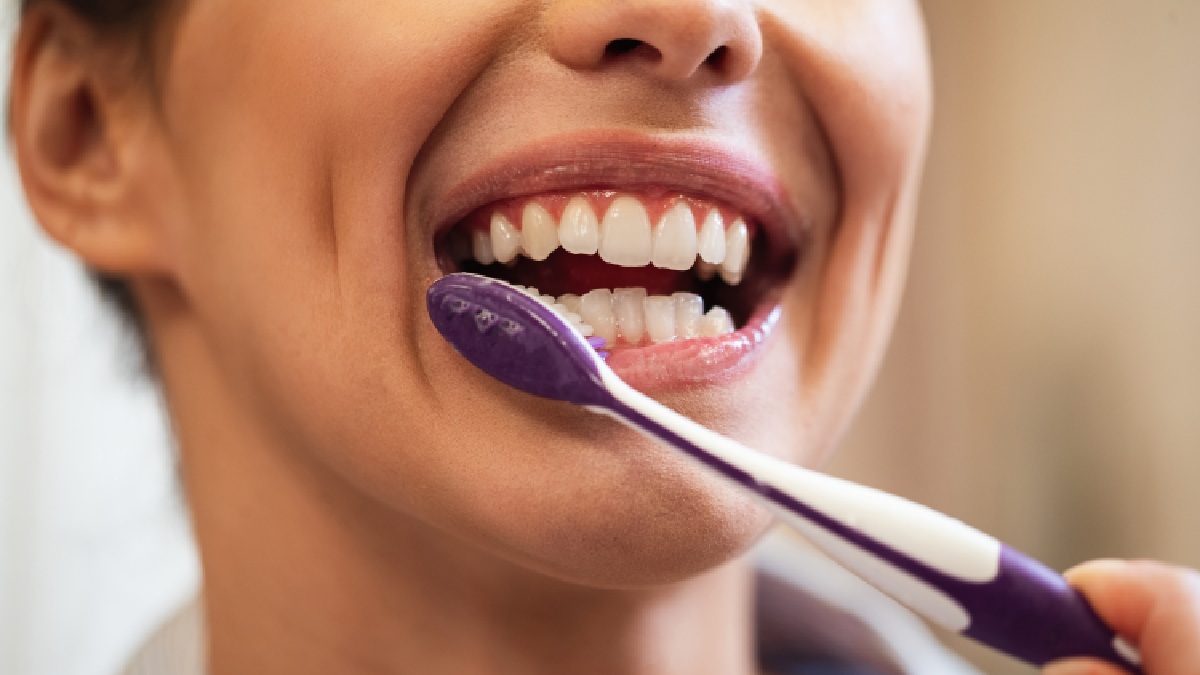
Dentist Dr Sharmishtha Lad says common mistakes could put your teeth and gums on a higher risk of plaque build-up, bad breath, gum problems and tooth decay in a monsoon. But you don’t have to change your whole lifestyle and routine to be able to have a good experience with it. A few simple habits could make a huge difference.
1. Assuming You Are Hydrated Because It Is Raining
One of the most common mistakes in the monsoon is drinking less water (not simply because you have less water but because you don’t feel thirsty in a monsoon) and when you do not, you get thirsty. Cooler weather and frequent rainfall can decrease the urge to reach for a glass of water and avoid drinking too much, but the body needs fluids.
Related Articles


Water is also crucial for oral health. Saliva helps wash food particles off the mouth, neutralize acids produced by bacteria and keep teeth safe against decay. When you are dry, because of the lack of saliva production, dry mouth, bad breath and more cavities are likely to occur. You can drink water all the time and not drink just when the weather makes you feel thirsty.
2. Snacking Frequently Without Cleaning Your Mouth
Monsoon weather often goes hand in hand with comfort foods. Tea, biscuits, pakoras, sweets, chocolates and other snacks can become regular parts of the day. The problem is not necessarily having to eat these foods occasionally, but constantly exposing your teeth to sugars and acids through frequent snacking.
Every time you eat, bacteria in the mouth can interact with carbohydrates and sugars to produce acids that attack tooth enamel. Repeated snacking allows your teeth to be less damaged between these acid attacks and can encourage plaque accumulation.
Related Articles


As much as it may not be possible to brush your mouth immediately after every snack, it is essential to wash your mouth afterwards and rinse it thoroughly with plain water to remove food particles and reduce the amount of residue in your mouth. And brushing and flossing are just as important.
3. Treating Bleeding Gums as Normal
A little blood when brushing or flossing may be small and negligible, but gum bleeding shouldn’t be ignored. It is an early sign of gum inflammation, especially when accompanied by swelling, redness or tenderness.
Bad plaque control is one of the main reasons for gum inflammation. If the underlying problem gets neglected then it can escalate to more serious gum disease. It is better to avoid the area that is bleeding and to keep the oral hygiene gentle, and if bleeding goes on, to contact a dentist.
4. Forgetting to Clean Your Tongue
A good oral hygiene routine involves more than brushing your teeth. The tongue can collect bacteria, food debris and dead cells, which may contribute to unpleasant breath and an unclean feeling in the mouth.
Humidity during the monsoon can cause bacterial build-up to be more visible to some people. Cleaning your tongue once a day using a tongue cleaner or the tongue-cleaning surface on your toothbrush can help remove accumulated debris. It is a small step, but one that can complement brushing and flossing and support overall oral hygiene.
5. Waiting for Severe Pain Before Visiting the Dentist
The biggest mistake is to think that a dental problem needs attention only if it is painful. A lot of oral health problems develop without much pain in the beginning. But when you do suffer extreme pain, the underlying problem may be a more serious concern.
Signs such as tooth sensitivity, food repeatedly getting stuck between teeth, mild swelling, tenderness or occasional discomfort should not be dismissed. Existing dental issues can also be more problematic if they are left untreated.
Dental check-ups can help to spot problems before they get out of hand. Early treatment may prevent the problem from progressing and may be cheaper.
Keep Your Smile Healthy Through the Rains
The monsoon does not have to mean compromising oral health. Staying hydrated, avoiding sugary snacking, cleaning your tongue, paying attention to gum bleeding and getting teeth and gums clean early in the season can help keep your teeth and gums healthy throughout the season.
A consistent oral care routine matters more than seasonal changes. Brush twice a day with fluoride toothpaste, regularly clean between your teeth, rinse your mouth after eating when you cannot brush and schedule dental check-ups as recommended by your dentist. Even small habits that you do to keep a smile good will help you keep it good, whatever the weather.


Comments 0