
Monsoon season brings relief from the scorching summer heat; hotter and heavier humidity, sweating and dampness make menstrual hygiene harder. The fact is that menstruation doesn’t lead to infections but poor hygiene in your period can make you feel more irritated, rashes, uncomfortable and have a bad odor. In some cases, poor hygiene can cause some infections.
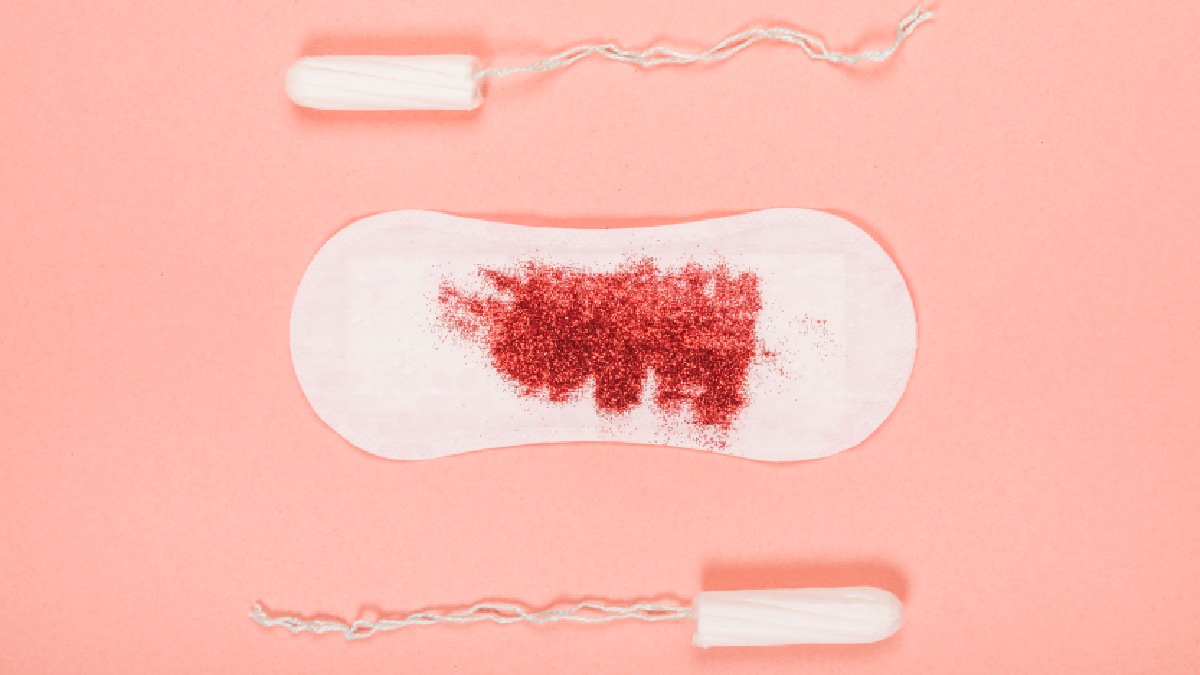
Small steps in the right direction have little to do with your comfort and intimate health. When it rains, you should not be wearing the same sanitary pad for weeks and you should not be wearing wet clothes on your period.
We spoke to Dr Meenu Rai, MBBS, DGO, DNB, Consultant Obstetrician & Gynaecologist at Plush, who shares nine common menstrual hygiene mistakes women should avoid during the monsoon and what they can do instead.
Related Articles


1. Wearing The Same Pad For Too Long
Most common menstrual hygiene mistakes are wearing the same sanitary pad for long periods and when the menstrual flow is light. If the pad is on for too long, the skin will get irritated and moist, and no matter how much you wash it for good hygiene, your skin will burn and you will get sweaty.
What you should do: Change your sanitary pad every 4-6 hours, or earlier if it gets soaked. If you do that, you are less likely to get moisture in your skin and your skin has a nice feeling in it.
2. Wearing Damp Or Non-Breathable Underwear
Synthetic fabrics can trap heat and moisture around the intimate area, which can be particularly uncomfortable during humid monsoon weather. Wearing underwear which has become wet from sweat (or rain) can also cause irritation.
Related Articles


What you should do: Choose clean, breathable cotton underwear and change it promptly if it becomes damp or wet.
3. Staying In Wet Clothes After Getting Caught In The Rain
Getting caught in a sudden downpour is common during the monsoon. Wet clothes for hours can lead to the skin feeling wet and uncomfortable at the intimate area and it can be more humid and uncomfortable in the skin around the region.
What you should do: Change clothes and underwear as soon as possible after getting drenched. Keeping an extra pair of underwear in your bag can also be useful if you have a long commute.
4. Overwashing Or Using Scented Intimate Products
More washing does not necessarily mean better menstrual hygiene. Frequent washing, douching and the use of heavily scented intimate washes, deodorants or antiseptic products can irritate sensitive skin and may disrupt the natural balance of the vaginal area.
What you should do: Clean the external genital area gently with water. If you would like a cleanser, choose a mild and fragrance-free option. Avoid douching and highly perfumed products.
5. Not Washing Your Hands Before And After Changing Menstrual Products
Hands can come into contact with bacteria and other contaminants throughout the day. Touching menstrual products without clean hands can increase the chance of transferring germs.
What you should do: Wash your hands thoroughly with soap and water before and after changing a pad, tampon or menstrual cup. If soap and water are unavailable, use an appropriate hand sanitiser until you can wash your hands properly.
6. Delaying Product Changes Because The Flow Is Light
A lighter menstrual flow does not mean a sanitary pad should be worn indefinitely. It is more uncomfortable and longer if you wait until a pad is completely full.
What you should do: Follow a regular changing routine based on your menstrual flow and the manufacturer's instructions rather than waiting until the product is completely saturated.
7. Improper Disposal Of Used Menstrual Products
Used menstrual products should be disposed of carefully to maintain hygiene at home and in public spaces. Poor disposal can lead to unpleasant odours and sanitation issues.
What you should do: Wrap sanitary pads and other disposable products securely before placing them in a suitable covered bin. Never flush sanitary pads down the toilet, as they can cause blockages.
8. Ignoring Persistent Itching, Unusual Discharge Or Pain
Itching, irritation or changes in vaginal discharge should not be discounted as a normal part of menstruation. Persistent symptoms can sometimes indicate an infection or another condition that needs medical evaluation.
What you should do: Talk to a gynaecologist if you are having persistent itching, unusual or foul-smelling discharge, fever, severe pelvic pain, recurrent infections or unusually heavy bleeding. Don’t self-medicate without professional advice.
9. Choosing Menstrual Products Without Considering Comfort And Absorbency
There is no single menstrual product that works for everyone. If you choose a product that doesn’t suit your flow, body or activity level, leakage, discomfort and skin irritation can occur.
What you should do: Choose sanitary pads, tampons, menstrual cups or other products according to your flow, lifestyle and personal comfort. Make sure you understand how to use and change the product correctly.
How To Stay Comfortable During Your Period In Monsoon
Good menstrual hygiene during the rainy season does not require complicated changes. Keep your menstrual products clean, dry and in a clean place, carry spare underwear when travelling and change out of wet clothing quickly. Regularly changing menstrual products, washing your hands and avoiding unnecessary scented products can also help reduce irritation.
Most importantly, pay attention to changes that are unusual for you. Persistent pain, itching, unusual discharge, fever or other concerning symptoms deserve medical attention rather than being ignored.
With a few simple precautions, you can make period care more comfortable and hygienic even during the humid and unpredictable monsoon season.


Comments 0