
Ozempic (semaglutide) is a prescription drug used to treat type 2 diabetes but has also been widely discussed because of its association with weight loss. But besides the nausea, vomiting and digestive upset that are well known side effects there’s another unusual reaction too: pain in your skin so light touch can hurt (even burning).
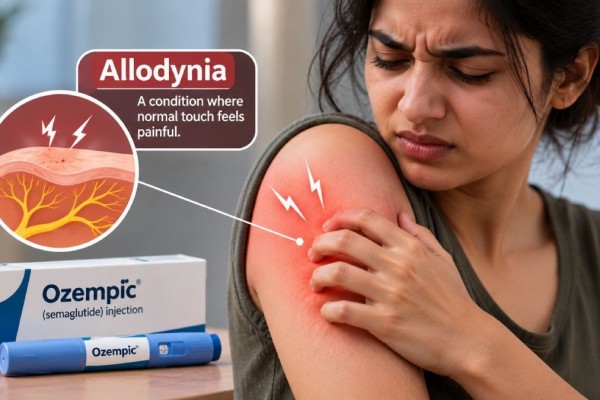
This is called allodynia. People with this condition may say their skin burns, bruises, feels unusually sensitive or hurts when there’s no visible injury; everyday activities like wearing clothes, showering, lying in bed or having someone lightly touch the skin can become uncomfortable.
People have reported altered skin sensations with semaglutide and other medicines in the GLP-1 receptor agonist group. While this connection is getting more attention researchers don’t yet know how often it happens or why some people get these symptoms.
Related Articles


What Is Allodynia?
Allodynia is pain caused by a stimulus that would not normally cause pain.
For example the touch of clothing against skin is usually not painful. Someone with allodynia may feel burning, stinging or sharp pain from the same contact.
It is different from ordinary skin sensitivity because the nervous system processes otherwise harmless sensations as painful.
Related Articles


Allodynia can affect arms, legs, back, shoulders and scalp. Intensity ranges from mild discomfort to severe pain that interferes with everyday activities.
The condition is also different from a skin rash or allergic reaction. A person may have severe pain without redness, swelling or other changes in the skin.
What Does Allodynia Feel Like?
People with allodynia describe the sensation in different ways. Some say their skin feels sunburned; others say it is a burning or bruised feeling that persists.
Common symptoms and experiences may include:
- Pain from light touch: Touching or rubbing can hurt.
- Burning sensation: The area may feel hot or like the skin is burning.
- Clothing-related discomfort: Tight clothing or fabric rubbing against the skin may hurt.
- Sensitivity to pressure: Sitting against a chair, resting on a mattress or leaning against a surface may be painful.
- Increased skin sensitivity: Normal sensations (e.g., pain, itchiness) may suddenly be unpleasant.
- Persistent tenderness: Some people may feel pain even when nothing is touching the area.
The symptoms may differ from person to person and by underlying cause. Just because someone has one or more of these symptoms does not mean that they have allodynia.
Is Allodynia Linked to Ozempic and Semaglutide?
Semaglutide is part of a class of medicines called glucagon-like peptide-1 (GLP-1) receptor agonists. It works by mimicking the GLP-1 hormone which regulates blood sugar levels, appetite and digestion.
Ozempic contains semaglutide and is used mostly for adults with type 2 diabetes. Wegovy is another medicine based on semaglutide that’s used to manage weight in eligible patients.
Medical safety reports have described altered skin sensations in people taking semaglutide burning, tingling, increased sensitivity, skin pain and allodynia.
A March 2026 safety update from Medsafe New Zealand reported reports of altered skin sensations with GLP-1 receptor agonists (semaglutide specifically). These included dysaesthesia, paraesthesia, hyperaesthesia, burning sensation allodynia and sensitive skin.
The update also said that “clinical trial data for Wegovy showed that 2.1% of patients on semaglutide had changed skin sensations vs 1.2% of patients on placebo.”
These findings indicate that there may be an association but they don’t say how often allodynia occurs in Ozempic users. The clinical trial figures reported also include a larger group of altered skin sensations (not just allodynia).
What Does Medical Evidence Say About This Side Effect?
Research on semaglutide skin sensitivity is still emerging. The US Food and Drug Administration (FDA) published a clinical review of reports of abnormal skin sensations in a large trial of semaglutide.
68 semaglutide participants reported events classified as dysaesthesia compared with eight in the placebo group. Symptoms reported were skin sensitivity, skin pain, burning and allodynia.
Separately, in a March 2026 update Medsafe (New Zealand’s health watchdog) reported nine cases of altered skin sensation with semaglutide in its pharmacovigilance database as of January 31, 2026 six allodynia reports and individual reports of burning skin sensation; hypersensitive skin; skin pain.
Safety reports are not the same as clinical diagnoses. Regulators use them to look for patterns and investigate possible adverse reactions but they don’t prove that a particular medication caused the symptom themselves.
The biological mechanism of semaglutide-associated skin sensitivity is also unknown. More research is needed to determine the causes, risk factors and long term effects.
How is Allodynia Different From a Typical Allergic Reaction?
Skin discomfort after starting a medicine should not automatically be classified as allodynia. Other conditions can cause burning, itching or pain — allergic reactions, infections and nerve-related disorders for example.
An allergic reaction may involve itching, hives, rashes or swelling. Allodynia is mainly pain caused by normally harmless physical contact (touch).
The distinction is important because the right medical response depends on what caused it.
Anyone who has sudden skin sensitivity, persistent burning or unexplained pain after starting a medication should talk to their healthcare professional about it. Symptoms such as swelling of the face or throat, trouble breathing or severe allergic reaction need to be treated immediately.
What Should Ozempic Users Do If They Get Skin Pain?
People taking Ozempic or another semaglutide-based medication should not ignore unusual or persistent changes in skin sensation.
If symptoms develop, patients should consider the following:
- Contact a healthcare professional: Tell them when symptoms started, where it hurts and if the pain is getting worse.
- Track medication changes: Were the symptoms present when you started treatment or after a dose change?
- Don’t self-adjust your medication: don’t stop, reduce or increase the dose by yourself unless directed by a doctor.
- Look for other possible causes: A doctor may check to see if the symptoms are related to the medication or another problem (e.g., nerve problems or skin disorders).
- Call for help if symptoms are severe: If breathing is difficult, face or throat swells up or signs of a serious allergic reaction occur get medical help right away.
Doctors can assess the symptoms to see if further examination, treatment changes or investigations are needed.
The Bottom Line
Allodynia is an unusual pain condition in which ordinary physical contact (clothing rubbing against skin) can cause burning or painful sensations. Medical safety reports and clinical trial data have described altered skin sensations in some people taking semaglutide-based medications.
However, the frequency, mechanism and risk factors for this reaction are not yet known. Not everyone taking Ozempic will have this problem and skin pain can have several causes.
If people experience persistent or unusual skin sensitivity while taking semaglutide they should talk to their healthcare provider rather than assume it’s just part of treatment.




Comments 0