
When people think of protein-rich foods, eggs, chicken, fish and meat are usually at the top of the list. But a type of cheese is getting attention for its protein content: Parmesan cheese (as shown in the figure above from food guide TasteAtlas) has about 36 grams of protein per 100g making it one of the most protein-dense cheeses around.
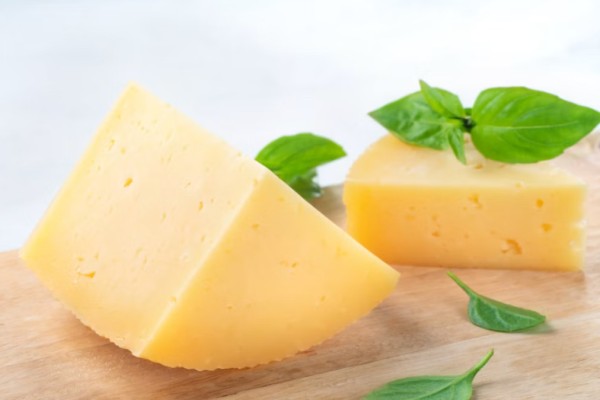
Made primarily from cow’s milk, Parmesan is a hard aged cheese with its own flavour and firm texture. It is grated over pasta salads soups etc. The relatively high protein content makes it an interesting choice for people trying to increase their protein intake in the diet.
However nutritional comparison needs some context. Parmesan is particularly rich in protein by weight but that doesn’t mean it’s the best everyday protein source for everyone.
Related Articles


Why Does Parmesan Cheese Have So Much Protein?
Parmesan is a hard cheese that ages for a long time. When cheese is made and aged much moisture is removed. That makes the final product more concentrated in nutrients (protein included).
According to nutritional information from the US Department of Agriculture (USDA), Parmesan has 35.8 grams of protein per 100 grams.
That’s more than the protein content of several common foods when compared on the same 100-gram basis (cooked chicken breast has about 31 grams of protein; whole eggs have about 13). Cooked chicken breast also contains about half that amount of fat and almost twice as many calories.
Related Articles


The difference is mostly concentration and moisture content. Hard aged cheeses have less water than many fresh foods so there is more protein per gram weight.
Parmesan Cheese vs Eggs, Chicken and Fish
Comparing foods by protein content per 100 grams helps explain why Parmesan is ranked so highly in nutritional rankings.
Here is an approximate comparison:
- Parmesan cheese: 35.8 grams of protein per 100 grams
- Cooked chicken breast: Around 31 grams
- Tuna: Approximately 25 to 29 grams, depending on the variety and preparation
- Whole eggs: Around 13 grams
- Firm tofu: Approximately 12 to 17 grams, depending on the product
These values are indicative and may vary depending on product, cooking method and moisture content.
Parmesan has a lot of protein but portion sizes are important. People eat Parmesan in smaller amounts as a topping or ingredient whereas chicken, fish and eggs can be eaten in larger portions as the main protein component of a meal.
Nutritional Benefits of Parmesan Cheese
Apart from protein Parmesan also provides several nutrients which make its nutritional value higher.
1. Provides essential amino acids
Parmesan contains dairy proteins (casein and whey). These proteins contain all nine essential amino acids that the body needs but cannot make on its own.
2. Supports bone health
Parmesan is a source of calcium which is needed for healthy bones and teeth. Calcium also helps with muscle function and nerve signalling.
3. Contains vitamin B12
As a dairy product Parmesan contains vitamin B12 which is needed for normal red blood cell formation and nervous system function.
4. Offers concentrated nutrition
Because Parmesan contains relatively little moisture it gives a concentrated amount of protein and other nutrients in small quantities.
Is Parmesan Cheese a Good Choice for Vegetarians?
Parmesan is one of the options for people who have dairy products in their vegetarian diet. But there’s something to check here.
Traditional Parmigiano Reggiano is made from animal rennet (enzyme preparation obtained commonly from the stomach lining of young ruminants). It therefore cannot be consumed by strict vegetarians.
Some Parmesan-style cheeses are made with microbial or vegetarian rennet. Vegetarians should check the product label or contact the manufacturer to confirm type of rennet used before buying (see above).
Other vegetarian protein options are paneer (cottage cheese), tofu, lentils, beans, chickpeas, milk and yoghurt.
How Much Parmesan Cheese Should You Eat?
Even though Parmesan has a high protein content it should not be thought of as a food that needs to be eaten in large quantities.
It’s relatively calorie dense and may contain a lot of saturated fat and sodium. According to USDA nutrition data, 100 grams of Parmesan has about 392 calories.
A smaller serving size of 20 to 30 grams can provide flavour and some protein for a meal without requiring a lot of cheese.
You can include it in your diet in several ways:
- Grate a small amount over pasta or vegetable dishes.
- Add it to salads for extra flavour.
- Use it in homemade soups.
- Combine it with whole grain crackers and vegetables for a snack.
People who are watching their sodium intake or have specific health conditions should be aware of portion sizes and nutritional information on product labels.
Should Parmesan replace chicken, eggs or other protein sources?
Not necessarily. Parmesan is a good source of concentrated dairy protein but not every other protein-rich food is its direct replacement.
Chicken, fish, eggs, legumes, tofu and dairy products have different nutritional profiles some have more protein per serving than others, some less saturated fat or sodium.
So for a balanced diet it’s better to have more than one type of protein source rather than depending on one food.
Parmesan’s position in protein comparisons is a reminder that protein isn’t just meat, fish and eggs. For people who eat dairy it can be tasty addition to meals and useful source of protein if eaten in appropriate amounts.




Comments 0