
Polycystic ovary syndrome, commonly known as PCOS, is a common hormonal and metabolic condition that can affect people during their reproductive years. It may influence menstrual cycles, ovulation, skin, hair, weight and fertility. Because symptoms can vary considerably from one person to another, PCOS can sometimes go unrecognised for years.
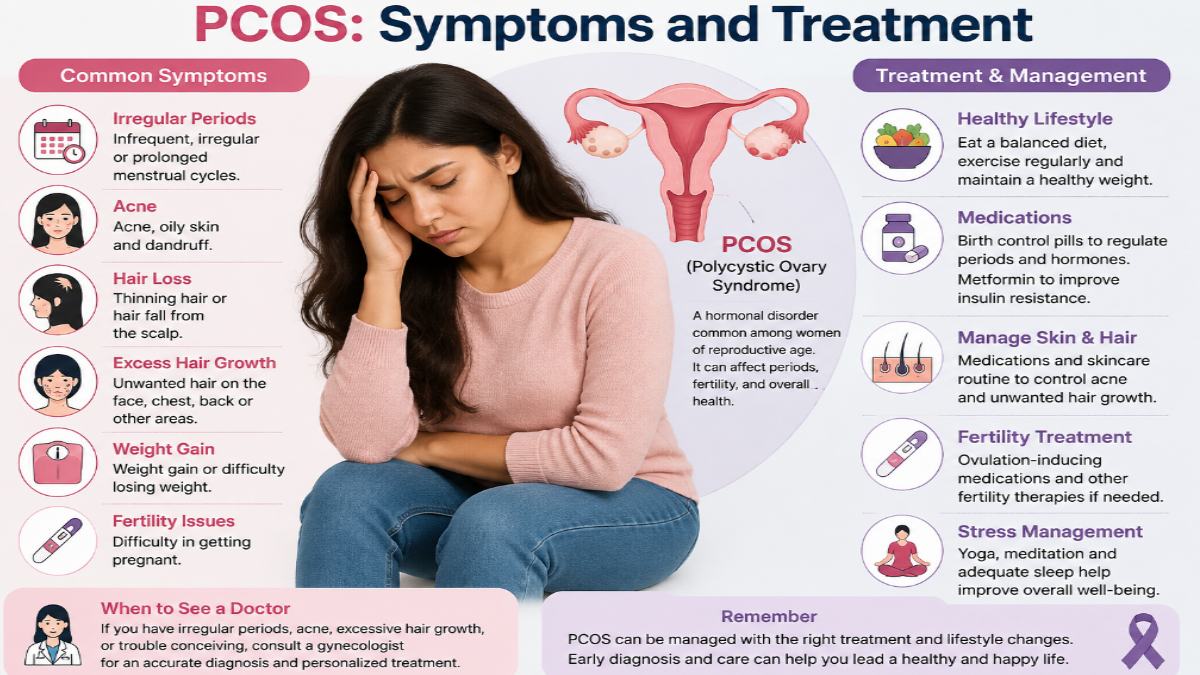
Although there is no single cure for PCOS, the condition can often be effectively managed. Treatment depends on a person's symptoms, health goals and whether they are trying to become pregnant. Understanding the signs and seeking appropriate medical advice can make a significant difference.
What Is PCOS
PCOS is a complex condition involving hormonal and metabolic changes. People with PCOS may have higher-than-usual levels or effects of androgen hormones, irregular or absent ovulation, and characteristic findings on the ovaries on ultrasound. Importantly, having ovarian cysts is not required to have PCOS.
Related Articles


The exact cause is not completely understood. Genetics, insulin resistance, hormonal factors and other biological influences are thought to contribute.
PCOS is not simply a reproductive condition. It can also be associated with metabolic health concerns, making long-term monitoring important.
Common Symptoms of PCOS
PCOS symptoms can vary widely. Some people experience several symptoms, while others have only one or two.
Related Articles


1. Irregular Periods
One of the most common signs is having irregular menstrual cycles. Periods may occur less frequently than expected, become unpredictable or sometimes stop for extended periods.
Irregular ovulation can also make it more difficult to predict fertile days.
2. Excess Facial or Body Hair
Higher androgen activity may lead to hirsutism, or excessive coarse hair growth on areas such as the face, chin, chest or abdomen.
3. Acne and Oily Skin
Hormonal changes associated with PCOS can contribute to persistent acne or increased oil production. Some people may develop acne that continues beyond the teenage years.
4. Hair Thinning
Some individuals with PCOS experience thinning hair on the scalp or a pattern of hair loss associated with increased androgen activity.
5. Weight Changes
Weight gain or difficulty losing weight can occur in people with PCOS, although PCOS can affect people of all body sizes. Having a higher body weight is not necessary for diagnosis.
6. Difficulty Becoming Pregnant
Because PCOS can interfere with regular ovulation, it is one of the common causes of ovulatory infertility. However, many people with PCOS are able to conceive naturally or with appropriate fertility treatment.
How Is PCOS Diagnosed
There is no single test that confirms PCOS. A healthcare professional will generally consider medical history, menstrual patterns, symptoms, physical examination and appropriate laboratory tests.
Depending on the individual, doctors may check hormone levels and assess metabolic health. An ultrasound may also be recommended in some circumstances.
Other conditions that can cause irregular periods, acne, excess hair growth or hormonal changes may need to be ruled out before a diagnosis is made.
It is therefore important not to self-diagnose PCOS based solely on symptoms or an ultrasound finding.
Treatment for PCOS
Treatment is personalised according to symptoms and individual goals. Someone who is not trying to become pregnant may have different treatment needs from someone who is seeking fertility support.
Lifestyle Changes
Healthy lifestyle habits can form an important part of PCOS management. Regular physical activity, balanced nutrition, adequate sleep and stress management can support metabolic and overall health.
For people who are above their individual healthy weight range, even modest weight loss may improve some PCOS-related symptoms. However, treatment should never focus solely on weight, and healthy habits are valuable regardless of body size.
A registered dietitian or healthcare professional can help develop an eating plan that is realistic and sustainable.
Medicines for Menstrual Regulation
Hormonal contraceptives may be prescribed to regulate menstrual bleeding, reduce androgen-related symptoms and provide protection for the lining of the uterus in people who do not wish to become pregnant.
The appropriate option depends on individual health factors and should be discussed with a healthcare professional.
Medicines for Acne and Excess Hair
Certain medications may help reduce androgen-related symptoms such as acne or unwanted hair growth. Treatment may take several months to show noticeable results.
Hair-removal methods such as shaving, waxing, threading, laser treatment or electrolysis can also be used according to personal preference.
Metformin
Metformin is a medicine commonly used to improve insulin sensitivity and manage blood glucose. It may be considered for some people with PCOS, particularly when metabolic concerns are present.
It is not suitable or necessary for everyone with PCOS, so treatment should be guided by a healthcare professional.
PCOS and Fertility Treatment
For people with PCOS who are trying to conceive, treatment may focus on restoring or inducing regular ovulation.
A doctor may recommend lifestyle measures when appropriate and prescribe fertility medicines if needed. Depending on the circumstances, additional fertility treatments may be considered.
Having PCOS does not mean pregnancy is impossible. Many people with the condition successfully become pregnant with or without medical assistance.
Long-Term Health and PCOS
PCOS can be associated with an increased risk of certain long-term health problems, including insulin resistance, type 2 diabetes, high cholesterol and high blood pressure. Some people may also have an increased risk of endometrial problems when periods are very infrequent.
Regular healthcare visits can help monitor these risks. Blood pressure, blood glucose and cholesterol may be checked when appropriate.
Mental health is also important. Anxiety, depression, body-image concerns and stress can occur alongside PCOS, and these concerns deserve professional attention.
Can PCOS Be Prevented
There is no guaranteed way to prevent PCOS because genetics and biological factors contribute to the condition. However, maintaining regular physical activity, eating a nutritious diet, getting adequate sleep and managing other health risks can support overall wellbeing.
The goal is not to follow extreme diets or pursue rapid weight loss. Sustainable habits are generally more practical for long-term health.
When Should You See a Doctor
Speak with a healthcare professional if you experience persistently irregular periods, unexplained excess hair growth, significant acne, unusual hair thinning or difficulty becoming pregnant.
Very heavy bleeding, severe pelvic pain, fainting or other concerning symptoms require prompt medical assessment because they may have causes unrelated to PCOS.
PCOS is a complex condition that can affect menstrual health, hormones, metabolism, skin, hair and fertility. Symptoms differ from person to person, and having PCOS does not mean that every possible symptom will be present.
Although there is currently no universal cure, a combination of lifestyle measures, appropriate medicines and fertility support can help manage the condition effectively. Early diagnosis and regular monitoring can also help address associated health risks.
If you suspect you may have PCOS, consult a qualified healthcare professional rather than relying on online symptom checklists. With personalised care and the right support, PCOS can be managed as part of a healthy and fulfilling life.

Comments 0