
Pilates has become a familiar name in the fitness world, but the workout still carries a surprisingly narrow image. It is sometimes portrayed as a gentle exercise reserved for dancers, celebrities or people who simply want to stretch. This perception can give Pilates an “unfair reputation” and overlook the range of people who can benefit from the practice.
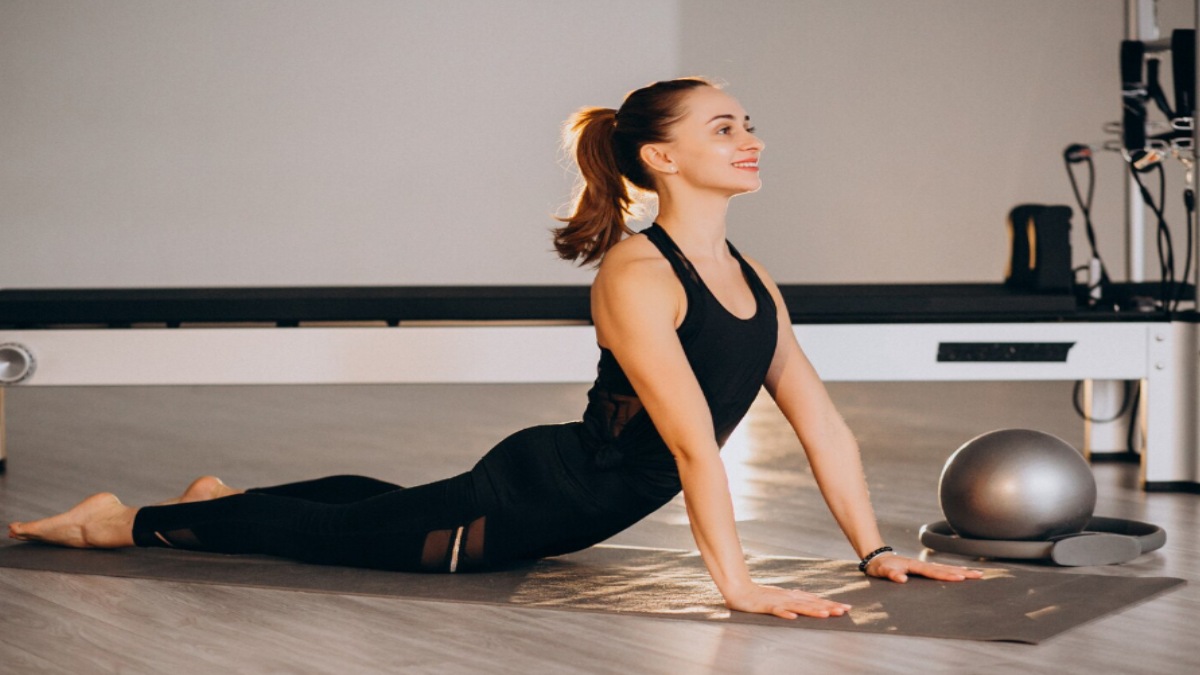
At its core, Pilates is a movement system that focuses on controlled exercises, breathing, posture, balance and core engagement. Depending on the style and level, a Pilates session can be gentle and accessible or surprisingly challenging.
Fitness experts often emphasise that Pilates should not be judged by how dramatic an exercise looks. Small, controlled movements can require considerable muscular effort, concentration and coordination.
Related Articles


What Exactly Is Pilates
Pilates was developed as a system of physical conditioning designed to improve movement, strength and body control. Traditional and contemporary Pilates sessions can include exercises performed on a mat or using specialised equipment such as a reformer.
A typical session may involve movements that target the abdominal muscles, hips, back, legs and shoulders. Rather than simply completing as many repetitions as possible, Pilates generally places emphasis on technique and controlled movement.
This makes it different from many conventional gym workouts, where lifting heavier weights or increasing speed may be central goals.
Related Articles


Why Does Pilates Have an “Easy Workout” Reputation
One reason may be that Pilates is often associated with graceful movements and slow exercise. However, slow does not necessarily mean easy.
Holding a position, controlling a movement or maintaining proper alignment can challenge muscles without requiring high-impact jumping or running. A beginner may find basic exercises manageable, while someone progressing to advanced movements can experience a demanding workout.
Another misconception is that Pilates is primarily about flexibility. Although flexibility and mobility can be important components, Pilates can also challenge muscular endurance, balance, coordination and core stability.
Who Is Pilates Really For
1. Beginners
Pilates can be a useful starting point for people who are new to structured exercise. Many beginner exercises can be modified according to individual ability.
The controlled pace may also make it easier for newcomers to concentrate on technique rather than rushing through movements.
2. People Looking for Low-Impact Exercise
Pilates can provide an alternative to high-impact activities such as running and jumping. Many movements are performed on a mat or with controlled resistance, reducing repetitive impact on the joints.
However, low impact does not mean risk-free. Correct technique remains important, particularly for people with existing injuries or medical conditions.
3. People Who Want Better Core Strength
Core control is one of the best-known features of Pilates. Exercises frequently require the abdominal and surrounding muscles to stabilise the body while the limbs move.
A stronger core can contribute to better movement control and posture, although Pilates should not be viewed as a guaranteed solution for every back or posture problem.
4. Athletes and Active People
Pilates is not only for beginners. Athletes and people who already exercise regularly may use Pilates to complement other forms of training.
The emphasis on control, balance and mobility can provide a different stimulus from traditional resistance or cardiovascular workouts.
5. Older Adults
Some forms of Pilates can be adapted for older adults, particularly when exercises are selected according to an individual's fitness level and physical limitations.
Balance, controlled movement and strength are important components of healthy ageing. However, anyone with significant mobility limitations or health conditions should seek professional guidance before beginning a new exercise programme.
6. Men Can Benefit Too
Another outdated perception is that Pilates is primarily a women's workout. Pilates can be beneficial for anyone, regardless of gender.
Men who participate in running, cycling, strength training or sports may also use Pilates to work on mobility, core control and movement quality.
Pilates Is Not Just About Looking Lean
Social media has sometimes presented Pilates as a way to achieve a particular body shape. This can create unrealistic expectations and distract from the actual purpose of exercise.
Pilates can contribute to muscular strength, endurance, coordination and body awareness. Changes in body composition depend on numerous factors, including nutrition, genetics, overall activity and training consistency.
There is no single “Pilates body”, and people do not need to look a certain way to participate in the workout.
Mat Pilates vs Reformer Pilates
Mat Pilates uses body weight and sometimes small equipment such as resistance bands or Pilates balls. It can be performed at home, in a studio or as part of a fitness class.
Reformer Pilates uses a specialised machine with springs, a carriage and other components that provide resistance and assistance. The equipment allows instructors to create different levels of challenge.
Neither option is automatically better. The right choice depends on personal goals, experience, budget and access to qualified instruction.
How to Start Pilates Safely
Beginners should consider starting with a class or programme designed specifically for their experience level. Learning proper breathing, alignment and movement technique can make the exercises more effective and reduce the risk of strain.
Avoid comparing yourself with advanced practitioners online. Pilates movements can look simple, but technique often matters more than speed or the number of repetitions.
If you have an injury, are pregnant, have recently undergone surgery or have a medical condition that affects exercise, speak with an appropriate healthcare or exercise professional about suitable modifications.
Pilates deserves a broader reputation than being labelled an easy workout or a niche exercise for a particular group. Its controlled movements can challenge muscles, improve body awareness and support strength, balance, mobility and coordination.
From beginners and older adults to athletes and experienced gym-goers, many people can incorporate Pilates into a balanced fitness routine. The key is choosing an appropriate level, learning proper technique and focusing on what the practice can do for your health rather than how it looks on social media.
Ultimately, Pilates is not “too easy” or “only for certain people”. It is a versatile form of exercise that can be adapted to different abilities, goals and fitness levels.


Comments 0