
The brain is one of the body's most vital organs, controlling everything from movement and memory to breathing, emotions and decision-making. Yet many people think about brain health only after symptoms appear or an injury occurs. According to neurosurgical experts, protecting the brain requires attention to both injury prevention and long-term cardiovascular health.
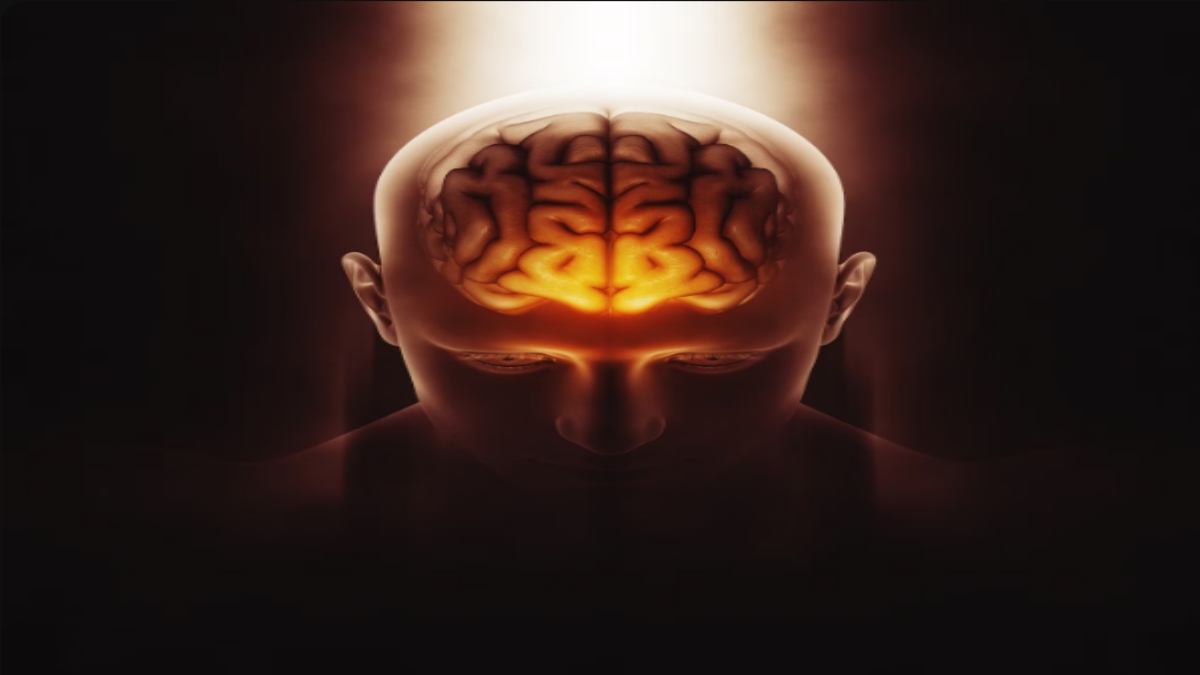
One of the most important factors to address is high blood pressure, often called a “silent killer” because it frequently causes no obvious symptoms while gradually damaging blood vessels and increasing the risk of serious health complications.
Why High Blood Pressure Matters for the Brain
Blood pressure refers to the force of blood pushing against the walls of the arteries. When it remains consistently high, it can damage blood vessels over time.
Related Articles

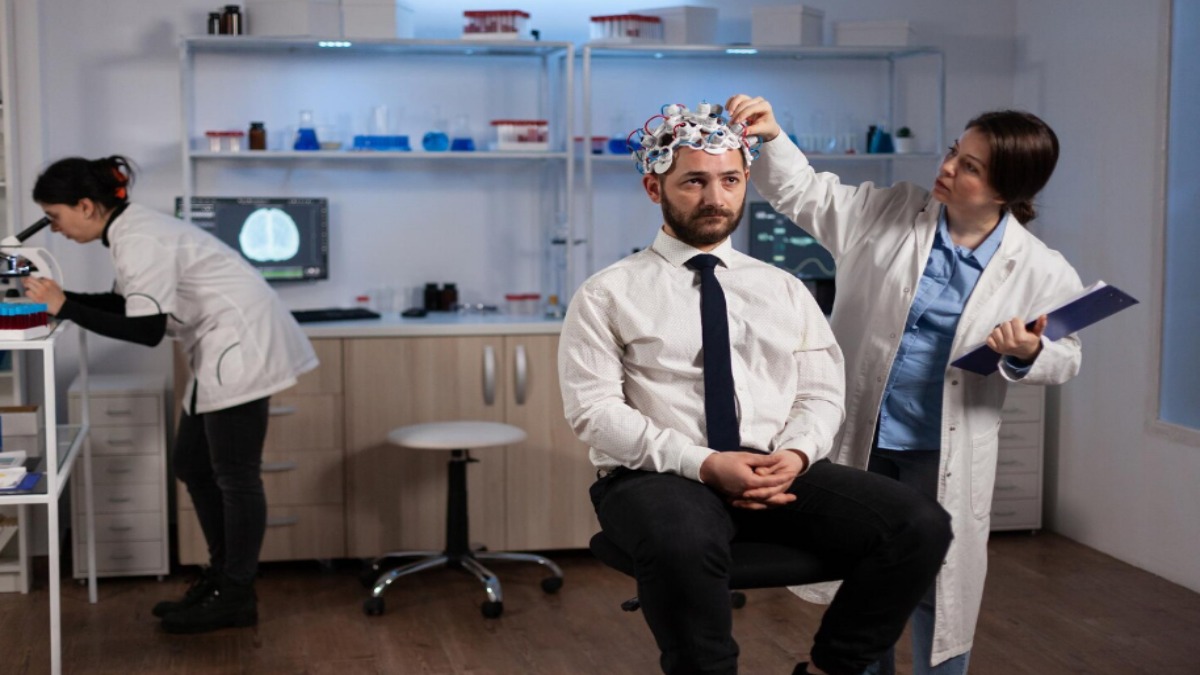
The brain is particularly vulnerable to changes in its blood supply. Long-term uncontrolled hypertension can contribute to an increased risk of stroke and other vascular problems. Extremely high blood pressure can also be associated with bleeding in or around the brain.
The challenge is that hypertension often does not make a person feel unwell. Someone can have elevated blood pressure for years without knowing it.
That is why regular blood pressure checks are an important part of preventive healthcare.
Related Articles


Know Your Blood Pressure
Regular monitoring can help identify hypertension early. Adults should discuss how often they need blood pressure checks with their healthcare professional, particularly if they have risk factors such as a family history of hypertension, obesity, diabetes, kidney disease, smoking or a sedentary lifestyle.
If high blood pressure is diagnosed, treatment may involve lifestyle changes, medication or a combination of both.
People prescribed blood-pressure medicines should take them exactly as directed and should not stop treatment without speaking with their healthcare professional.
Protect Your Head From Preventable Injuries
Brain health isn't only about blood pressure. Head injuries can happen during road accidents, falls, sports and everyday activities.
Wearing a properly fitted helmet during activities such as cycling, motorcycling and certain contact sports can reduce the risk of serious head injuries. In vehicles, wearing a seat belt is one of the simplest ways to reduce the likelihood of severe injury during a crash.
Fall prevention is especially important for older adults. Keeping walkways clear, improving lighting and addressing balance or vision problems can help reduce the risk of falls.
Don't Ignore Neurological Warning Signs
Knowing the warning signs of a serious neurological emergency can be lifesaving.
Sudden weakness or numbness, particularly on one side of the body, difficulty speaking, sudden confusion, loss of balance, severe unexplained headache or sudden vision problems can be signs of a stroke or another medical emergency.
After a significant head injury, symptoms such as repeated vomiting, worsening headache, increasing drowsiness, confusion, seizures, weakness or loss of consciousness require urgent medical assessment.
A person should not assume that feeling relatively well immediately after a head injury means there is no serious problem.
Lifestyle Choices Can Support Brain and Heart Health
Many habits that protect cardiovascular health also support the brain. Regular physical activity, a balanced diet, adequate sleep and avoiding tobacco can contribute to overall health.
A diet rich in vegetables, fruits, whole grains, legumes, nuts and other nutrient-dense foods can support cardiovascular health. Limiting excessive sodium intake may also help people who need to manage their blood pressure.
Alcohol intake should be kept within recommended limits, and people with specific health conditions should discuss alcohol use with their healthcare provider.
Stress management can also be useful. While everyday stress does not automatically cause brain injury, chronic stress can affect sleep, blood pressure and overall wellbeing.
Regular Health Checks Are Worth It
Preventive healthcare can identify risk factors before they become emergencies. Along with checking blood pressure, routine medical care may help identify high cholesterol, diabetes and other conditions associated with cardiovascular and neurological risks.
People with existing health conditions should follow their clinician's recommendations and keep track of relevant measurements.
Protecting the Brain Starts Before an Emergency
Brain health is influenced by many factors, and some risks can be reduced through simple precautions. Controlling blood pressure, preventing falls, using helmets and seat belts, staying physically active and responding quickly to neurological warning signs can all play a role.
The key message is that prevention should begin before symptoms appear. Because high blood pressure can remain unnoticed for years, knowing your numbers and addressing elevated readings with appropriate medical guidance is especially important.
If you experience sudden neurological symptoms or have suffered a serious head injury, seek emergency medical care rather than waiting for symptoms to disappear. This article is for general information and does not replace an individual medical evaluation.


Comments 0