
Janmashtami fasting is an important part of the festival for many devotees, but observing a vrat does not necessarily mean surviving on fried snacks, potatoes and sugary treats. With thoughtful food choices, fasting meals can be nourishing, satisfying and varied. Nutritionist Dr Shikha Sharma has highlighted several traditional flours that can be incorporated into fasting-friendly meals, offering alternatives to regular wheat-based preparations.
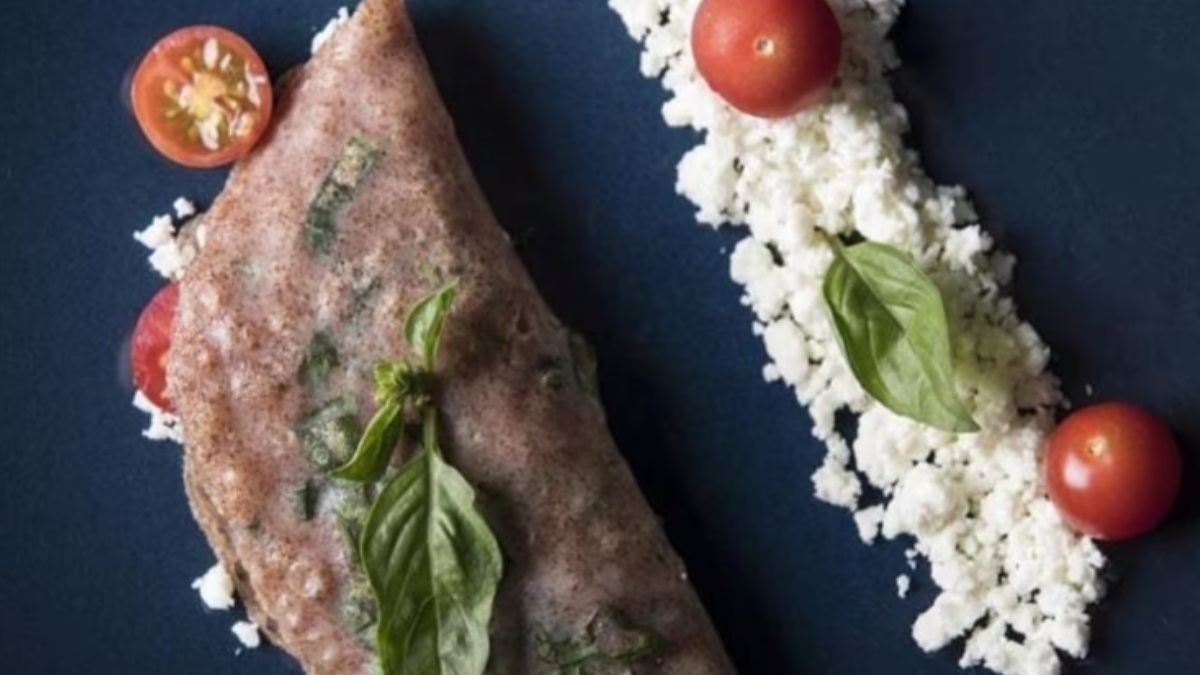
From nutrient-rich ragi to popular kuttu, these flours can help add variety to the Janmashtami thali while providing important nutrients. However, fasting rules differ between households and traditions, so it is important to choose ingredients that are permitted according to your personal vrat practices.
1. Ragi Flour
Ragi, also known as finger millet, is valued for its nutritional profile and is naturally rich in calcium, fibre and several micronutrients. Its earthy flavour makes it suitable for a variety of preparations.
Related Articles


Although ragi is not traditionally permitted during every type of religious fast, some people include it in their fasting diet depending on their customs. If it is allowed in your vrat, ragi flour can be used to prepare pancakes, rotis or other simple dishes.
Its fibre content may also contribute to satiety, which can be useful when meals are spaced farther apart during fasting.
2. Kuttu Flour
Kuttu, or buckwheat flour, is one of the most popular ingredients associated with vrat food. Despite its name, buckwheat is not a type of wheat and is naturally gluten-free.
Related Articles


Kuttu flour can be used to make vrat rotis, cheelas, pancakes and puris. It provides carbohydrates along with plant-based protein, fibre and minerals. Pairing kuttu preparations with plain yoghurt, vegetables permitted during fasting or a suitable protein-rich accompaniment can make a meal more balanced.
Because kuttu puris are often deep-fried, choosing steamed, pan-cooked or lightly cooked versions can help keep the overall meal lighter.
3. Rajgira Flour
Rajgira, commonly known as amaranth, is another traditional fasting ingredient. It contains plant-based protein, fibre and minerals and can be incorporated into both sweet and savoury dishes.
Rajgira flour can be used for vrat rotis, pancakes or desserts. Its slightly nutty flavour works well with ingredients such as yoghurt, nuts and permitted vegetables.
For a healthier preparation, avoid relying heavily on sugar or excessive amounts of ghee. Naturally sweet ingredients and modest portions can help create a more balanced festive meal.
4. Singhara Flour
Singhara flour, made from water chestnut, is widely used during fasting in India. It is naturally gluten-free and can be used to prepare rotis, cheelas and other vrat-friendly dishes.
Singhara flour primarily contributes carbohydrates, making it useful as an energy source during a fasting day. Combining it with yoghurt, nuts, seeds or other permitted foods can improve the overall nutritional balance of the meal.
As with other flours, portion size and cooking method matter. A flour-based dish can become considerably heavier when prepared with large amounts of oil or ghee.
5. Sama Rice Flour
Sama rice, also called barnyard millet in many contexts, is another common choice during vrat. It can be made into flour and used in fasting-friendly preparations such as pancakes or savoury cheelas, depending on the recipe and household tradition.
Sama rice is appreciated for its carbohydrate content and can provide energy during periods when regular grains are avoided. It can also add variety to a fasting menu instead of relying exclusively on potatoes or fried foods.
How to Make Janmashtami Fasting More Nutritious
Choosing a nutritious flour is only one part of building a balanced vrat meal. Cooking methods are equally important. Instead of deep-frying every flour-based preparation, consider pan-cooking, steaming or baking where appropriate.
It is also useful to combine fasting flours with permitted sources of protein and healthy fats. Curd, milk, nuts, seeds and other foods allowed under your fasting tradition can complement grain or millet-based dishes.
Hydration should not be overlooked either. Drink enough water throughout the day unless your fasting practice specifically restricts fluids. Fresh coconut water, milk or other permitted beverages may also be included according to individual dietary practices.
People with diabetes, kidney disease, pregnancy-related nutritional needs or other medical conditions should be particularly careful with fasting and should seek personalised medical or dietary advice before making significant changes to their food intake.
Ultimately, Janmashtami fasting can be both spiritually meaningful and nutritionally mindful. Traditional options such as kuttu, rajgira, singhara and sama rice can bring variety to vrat meals, while ragi may be considered where individual fasting customs permit it. The key is to focus on moderation, wholesome ingredients and sensible cooking methods rather than relying solely on fried or highly sweetened festive foods.

Comments 0