
When monsoon arrives, the temperature is going to change, humidity will increase and stagnant water will create the conditions for some type of infection. Fever is one of the most common symptoms one can suffer from during this season. But when the fever comes back, you should not just assume that it’s just a seasonal viral infection and reach for medicine without knowing the cause.
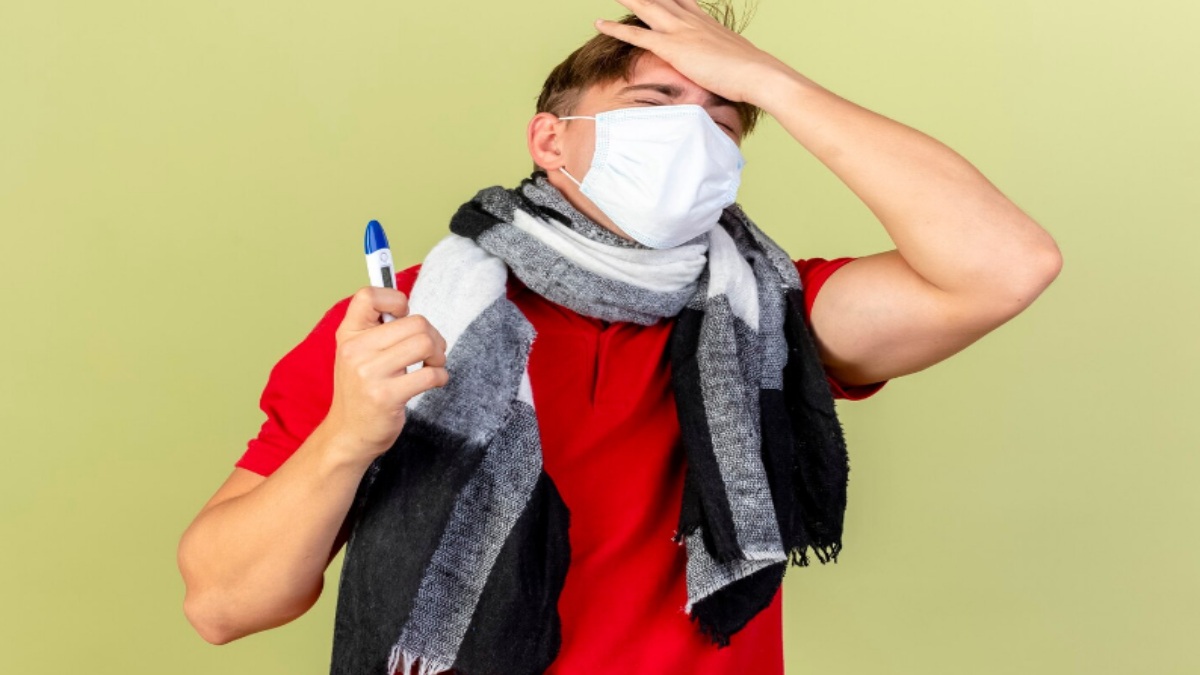
A fever is the body’s response to an infection or inflammation. Most of those cases are mild and resolve with rest and fluids but a persistent or recurrent fever requires medical evaluation, particularly if there are other symptoms.
Why Does Fever Become Common During Monsoon?
The monsoon season can increase the spread of infections caused by viruses, bacteria and parasites. Crowded places, contaminated water, mosquitoes and poor sanitation can contribute to the transmission of illnesses.
Related Articles


Fever is most common in rainy season, and the other causes include viral infections, dengue, malaria, typhoid and some respiratory or gastrointestinal infections. The symptoms can overlap as we can’t get to the root cause of fever just by fever alone.
Recurring Fever Should Not Be Ignored
A fever that improves and then returns may have several possible explanations. Sometimes an infection has not completely resolved. In other cases, a person may develop another infection shortly after recovering from the first.
Mosquito-borne diseases such as dengue and malaria are particularly important in areas where they are circulating. Dengue can cause high fever, severe headache, body aches, nausea or rash, while malaria can be connected with fever accompanied by chills and sweating.
Related Articles


Typhoid and other infections linked to contaminated food or water can also cause prolonged or recurring fever, sometimes with weakness, abdominal discomfort or changes in bowel habits.
Why You Should Avoid Self-Medicating
If you take medication for no reason and with no indication of what the underlying cause is, symptoms may mask the problem and delay a diagnosis. Antibiotics should not be used unless prescribed by a healthcare professional, because they do not treat viral infections and unnecessary use could lead to antibiotic resistance.
Some medicines may also have to be used cautiously when there are some infections suspected. For instance, people with possible dengue should consult medical experts on fever medicines, not assume every over-the-counter painkiller is safe.
When Should You See a Doctor?
Medical care is especially important if fever lasts for several days, repeatedly returns, becomes very high or is associated with concerning symptoms. Seek prompt care if fever occurs with difficulty breathing, persistent vomiting, severe abdominal pain, unusual bleeding, confusion, extreme weakness, dehydration, seizures or severe headache.
Children, older people, pregnant people and individuals with underlying health problems may also need to be evaluated.
What Can You Do at Home?
Until medical advice is given, seek hydration, rest and light, nutritious meals if tolerated. Monitor your temperature and watch for other symptoms like chills, rash, cough, vomiting, diarrhea or body aches.
Prevention in monsoon is also crucial. You have to drink water that is clean, eat well, avoid mosquito bite spots and keep the room free of stagnant water and wash your hands regularly.
A recurrent fever is a symptom, not a diagnosis. Treatment needs to be established before starting. If your fever keeps returning and you’re not getting the attention of a doctor, then you need to consult a doctor to understand the cause of this and the appropriate treatment should start at the right time.
We just have to note that this article is for general information and is not a replacement for professional medical advice, diagnosis or treatment. Anyone having persistent or recurring fever should consult a qualified healthcare professional.

Comments 0