
Your skincare routine is supposed to protect, nourish and improve your skin, but using too many products or choosing harsh formulas may sometimes have the opposite effect. One factor that often receives less attention is the skin's natural pH balance.
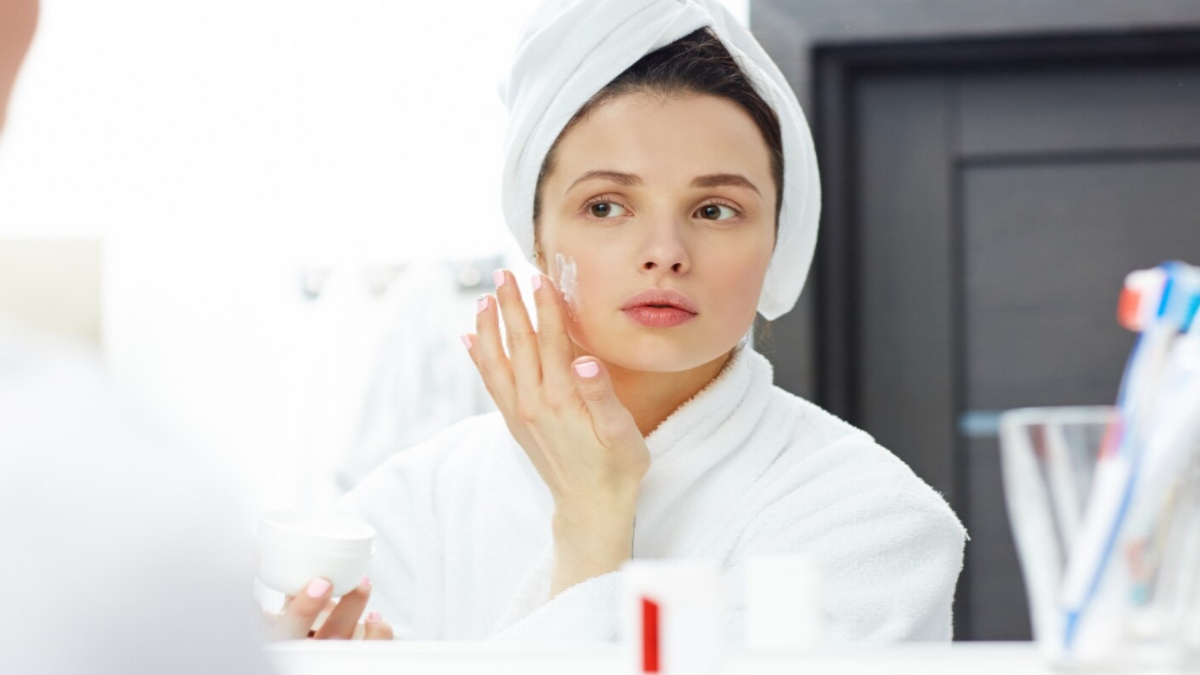
The skin has a slightly acidic surface environment, often referred to as the acid mantle. This environment supports the skin barrier and helps maintain conditions that are favourable for normal skin function. Although the exact pH varies between individuals and different areas of the body, healthy facial skin is generally mildly acidic.
When skincare habits repeatedly disrupt this environment, some people may notice dryness, irritation, tightness, increased sensitivity or changes in how their skin responds to products. Understanding how your routine affects the skin barrier can help you make more informed choices.
Related Articles


What Is Skin pH
pH is a measure used to describe how acidic or alkaline a substance is. The scale generally ranges from 0 to 14, with lower values being more acidic and higher values being more alkaline.
Healthy skin naturally maintains a mildly acidic surface environment. This is associated with important processes involving the skin barrier, enzymes and the skin's normal microbial community.
The skin can often recover from temporary changes in pH, but repeated exposure to harsh products or excessive cleansing may contribute to barrier disruption.
Related Articles


1. Using Harsh Cleansers
Cleansing removes sweat, oil, makeup, sunscreen and environmental debris. However, a cleanser that is too harsh for your skin can strip away protective lipids and leave the skin feeling tight or uncomfortable.
A squeaky-clean feeling is not necessarily a sign that your cleanser is working better. If your face consistently feels dry or tight immediately after washing, your cleansing routine may be too aggressive.
A gentle cleanser suited to your skin type can help remove impurities while minimising unnecessary disruption.
2. Over-Cleansing Your Face
Washing your face excessively can be another problem. Some people cleanse repeatedly throughout the day because they are concerned about oil, acne or pollution.
However, more cleansing does not automatically mean healthier skin. Frequent washing may contribute to dryness and irritation, particularly when combined with hot water or strong cleansing products.
For many people, a simple cleansing routine is sufficient. The ideal frequency depends on individual skin type, lifestyle and product use.
3. Excessive Exfoliation
Chemical and physical exfoliation can help remove dead skin cells and improve skin texture when used appropriately. The problem occurs when exfoliation becomes excessive.
Using multiple exfoliating products at the same time for example, combining several acids, scrubs and active treatments can irritate the skin and compromise its protective barrier.
Signs that you may be over-exfoliating include persistent redness, burning, dryness, flaking and increased sensitivity.
4. Very Hot Water
Hot water may feel relaxing, particularly during a shower, but prolonged exposure can contribute to dryness by removing oils from the skin.
Using lukewarm water for facial cleansing is generally a gentler approach. After washing, pat your skin dry rather than rubbing it vigorously with a towel.
5. Frequently Changing Products
Trying new skincare products can be exciting, but constantly changing your routine can make it difficult to determine what your skin actually tolerates.
Introducing several new products simultaneously can also increase the likelihood of irritation. When possible, introduce new products gradually and pay attention to how your skin responds.
6. Ignoring the Skin Barrier
The skin barrier helps reduce water loss and provides protection against external irritants. When it becomes compromised, the skin may feel dry, rough, tight or unusually sensitive.
Supporting the barrier often means keeping your routine simple. Gentle cleansing, appropriate moisturising and daily sunscreen are more fundamental than having a large collection of active products.
7. Using Products That Irritate Your Skin
Ingredients are not automatically "bad" because they are active or powerful. However, an ingredient that works well for one person may irritate another.
Fragrance, certain exfoliating acids, retinoids and other active ingredients can cause irritation in some individuals, particularly when introduced too quickly or used too frequently.
If your skin repeatedly burns or becomes inflamed after applying a product, stop using it and consider discussing the reaction with a dermatologist.
How to Support Your Skin’s Natural Balance
A healthy skincare routine does not need to be complicated. Use a gentle cleanser, apply a moisturiser appropriate for your skin type and use broad-spectrum sunscreen during the day.
Avoid unnecessary scrubbing and give your skin time to adjust when introducing new active ingredients. If you have persistent dryness, redness, itching, acne or irritation, professional advice can help identify the underlying cause.
It is also important to remember that you do not necessarily need to measure your skin's pH at home. The goal is not to achieve a specific number but to maintain a healthy, comfortable and functional skin barrier.
Your skincare routine can support healthy skin, but more products and stronger treatments are not always better. Harsh cleansers, excessive exfoliation, frequent washing and aggressive routines can contribute to irritation and barrier disruption, which may affect how comfortable and resilient your skin feels.
Instead of chasing complicated routines, focus on gentle cleansing, moisturising, sun protection and carefully selected treatments. Give your skin time to adapt, and pay attention to signs of irritation.
If your skin remains persistently inflamed, painful, unusually sensitive or difficult to manage, consult a dermatologist rather than continually adding new products. A simpler routine may sometimes be exactly what your skin needs.

Comments 0