
Breakfast is usually considered one of the most important meals of the day because it gives us energy after several hours of fasting overnight. Some people like traditional breakfast options (idli, dosa, eggs, oats or bread) but others are choosing lighter meals to support their health and fitness goals. One option that’s catching on is vegetable salad.
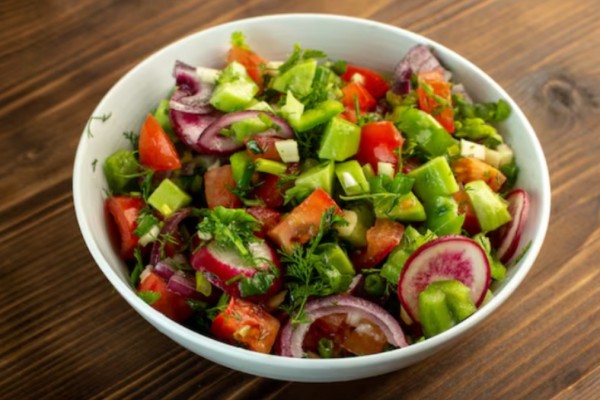
But can you eat only vegetable salad for breakfast? Is it enough to get you going in the morning or will your body be left without important nutrients? It depends on what ingredients you use, how much you eat and what your body needs.
1. Is Vegetable Salad Enough for Breakfast?
Yes, vegetable salad can be part of a healthy breakfast. But if you only eat raw vegetables then you won’t get enough calories, protein, healthy fats and carbohydrates for your body to function properly.
Related Articles


Cucumber, carrots, tomatoes lettuce cabbage capsicum contain vitamins minerals antioxidants dietary fibre. These nutrients support digestion immunity and general health.
However, a salad of only vegetables may not keep everyone full for several hours (people with physically demanding routines are an example).
2. Health Benefits of Eating Vegetable Salad in the Morning
Starting your day with vegetables can offer several nutritional benefits.
Related Articles


Supports digestion: Vegetables contain dietary fibre which helps keep bowel movements regular and helps maintain digestive health.
Provides vitamins: Carrots, tomatoes and leafy greens contain vitamin A, vitamin C and folate.
Hydrates you: Cucumber and tomatoes are high in water so they help you meet your daily fluid requirement.
Helps control calorie intake: Lots of non-starchy vegetables are low in calories so including them in breakfast will help you get a filling meal without too many calories.
3. Can Vegetable Salad Help With Weight Loss?
Vegetable salad can be part of weight-management goals because it has fibre and volume but generally fewer calories than many heavily processed breakfasts.
But eating salad does not guarantee weight loss. Calorie intake overall, physical activity, sleep and dietary habits also come into play.
Protein-rich ingredients can make breakfast more satisfying and reduce hunger between meals.
4. What Happens If You Eat Only Raw Vegetables?
Raw vegetables are nutritious but relying solely on them for breakfast may not provide balanced nutrition.
A vegetable-only salad may not have enough protein and healthy fats. It may not have enough carbohydrates to meet energy needs.
Some people may bloat or get digestive discomfort when they suddenly increase their intake of raw vegetables and fibre.
So different food groups need to be included rather than relying on raw vegetables alone.
5. How to Make Your Breakfast Salad More Nutritious
You can turn a simple vegetable salad into a balanced breakfast by adding ingredients that provide protein, healthy fats and complex carbohydrates.
Consider including:
- Cucumber and tomatoes: For hydration and vitamins.
- Carrots and capsicum: For fibre and antioxidants.
- Boiled chickpeas or sprouts: For plant-based protein and fibre.
- Paneer or boiled eggs: For additional protein.
- Nuts and seeds: For healthy fats and minerals.
- Whole-grain toast: For extra energy and carbohydrates.
A mix of vegetables, chickpeas, paneer and a small portion of nuts can make for a more filling breakfast.
6. Who Should Be Careful About Eating Only Salad?
People with higher energy needs (e.g. athletes), those who exercise regularly and people with certain medical or nutritional conditions may need a larger breakfast.
People who get digestive discomfort from raw vegetables can try lightly steamed vegetables instead.
People who have specific dietary restrictions or medical conditions should consult a dietitian before making major changes to their eating habits.
Conclusion
Eating vegetable salad for breakfast can be healthy, but eating only raw vegetables may not give your body all the nutrients it needs to start the day.
The better way is to combine vegetables with protein, healthy fats and appropriate carbohydrate sources. This gives you a more balanced breakfast that supports energy, digestion and health.
You don’t have to give up your favorite breakfast foods. Instead, concentrate on variety, portion control and balanced nutrition.
Disclaimer: This article is for general informational purposes only and should not be used as a substitute for professional medical or dietary advice. Individual nutritional needs may vary.




Comments 0