
For people who want to become more physically active, the idea of exercising can sometimes feel intimidating. Gym memberships, complicated workout routines and unfamiliar equipment may make exercise appear more difficult than it needs to be. But according to a geriatric doctor, one of the simplest forms of movement walking can be an excellent place to begin. The message is particularly relevant for older adults and anyone who has been inactive for a long time: you do not necessarily need to join a gym to start moving more.
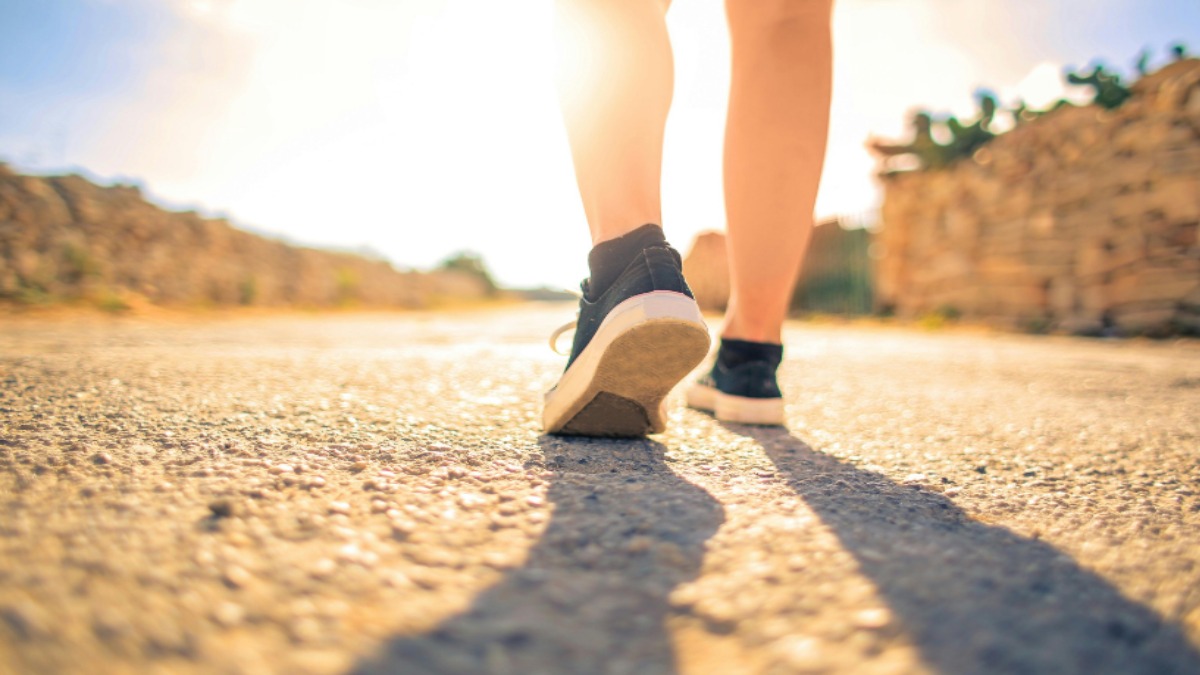
Walking is often described as one of the most accessible forms of physical activity because it requires very little equipment and can be adapted to different fitness levels. A comfortable pair of walking shoes and a safe place to walk may be enough to get started. For someone who is currently sedentary, even adding short periods of walking to the day can be a practical first step toward a more active lifestyle.
Why Walking Is Often Underrated
Modern fitness culture frequently focuses on intense workouts, heavy weights and high-performance exercise. While these activities can provide valuable health benefits, they are not the only ways to become physically active. Walking may appear simple, but regular movement can contribute to cardiovascular fitness, muscle activity, balance and overall mobility.
Related Articles
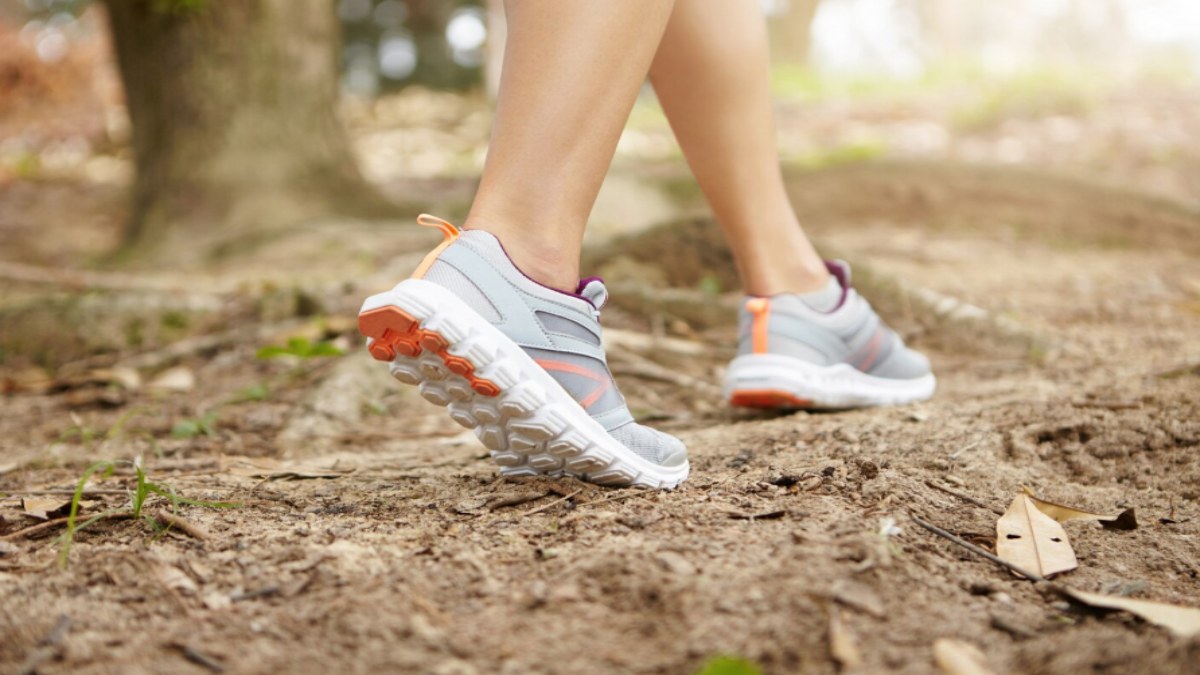

For older adults, maintaining the ability to walk comfortably can have an especially important role in preserving independence. Everyday activities such as shopping, climbing stairs, visiting friends and moving around the home all depend on functional mobility. Regular walking can help people maintain confidence in their ability to move.
Walking can also be easier to incorporate into daily life than a formal workout. A person can walk around the neighbourhood, in a park, at a shopping centre or even indoors when weather conditions make outdoor exercise difficult.
You Don't Have to Start With Long Walks
One of the biggest mistakes people make when beginning an exercise routine is trying to do too much too quickly. Someone who has been inactive may find a long walk exhausting, which can make exercise feel unpleasant and discourage them from continuing.
Related Articles


Instead, starting with a manageable duration can be more sustainable. A short walk can gradually become longer as fitness and confidence improve. The goal at the beginning should be consistency rather than intensity.
People can also break activity into smaller sessions throughout the day. Several short periods of movement can be easier to manage than one long workout, particularly for older adults or people with busy schedules.
Walking and Heart Health
Regular physical activity is an important part of cardiovascular health. Brisk walking can raise the heart rate and increase breathing compared with sitting still, making it a useful form of moderate physical activity for many people.
Over time, maintaining an active lifestyle can contribute to better cardiovascular fitness and support healthy blood pressure and weight management when combined with appropriate nutrition and other healthy habits.
The intensity of walking can also be adjusted. A leisurely stroll and a brisk walk are not physiologically identical, but both involve movement. People can gradually increase their pace as their fitness improves, provided they can do so comfortably and safely.
Walking Can Support Healthy Ageing
Ageing does not mean that physical activity should stop. In fact, remaining active can become increasingly important as people get older. Walking can support mobility and help maintain strength and balance when combined with other appropriate forms of exercise.
Older adults can also benefit from activities that challenge balance and muscle strength. While walking is an excellent starting point, a well-rounded fitness routine may eventually include strength, flexibility and balance exercises suited to the individual's abilities.
The key is to find activities that can be performed consistently and safely.
Walking Can Benefit Mental Wellbeing
Exercise is not only about physical health. Getting outside for a walk can provide an opportunity to take a break from screens, work and household responsibilities. Walking outdoors may also provide exposure to daylight and a change of environment, which some people find refreshing.
For many individuals, a regular walk can become a simple daily routine that creates time for reflection, social interaction or relaxation. Walking with a friend or family member can make the activity more enjoyable and provide additional motivation.
How to Make Walking a Habit
The easiest way to make walking part of a lifestyle is to connect it with existing routines. Someone might walk after breakfast, take a short stroll after dinner or choose to walk to nearby destinations instead of driving when practical.
Setting small, realistic goals can also help. Rather than immediately aiming for a specific number of steps, beginners can focus on walking regularly and gradually increasing their duration or pace.
Keeping comfortable shoes readily available and choosing safe, familiar routes can remove some of the barriers that make exercise difficult to maintain.
Safety Should Come First
Although walking is generally accessible, people with significant health concerns, mobility limitations or symptoms such as chest pain, severe breathlessness or dizziness should seek appropriate medical advice before increasing physical activity.
Older adults who have balance problems or a history of falls may also benefit from discussing an exercise plan with a healthcare professional or qualified physical therapist. The safest exercise programme is one that matches an individual's health, fitness and mobility.
Ultimately, walking deserves more attention as a practical form of exercise. You do not need an expensive gym membership or an advanced workout plan to begin becoming more active. A short, comfortable walk can be a meaningful first step, particularly for someone who has been inactive.

Comments 0