
A heart attack is usually associated with older people but it can happen to people of almost any age. Risk increases as people get older generally, but younger adults aren’t immune either lifestyle habits, family history and existing health conditions all play a role in when someone develops heart problems.
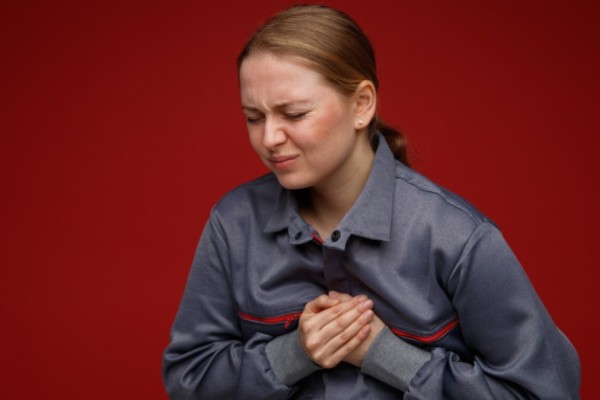
In recent years heart health has become an important issue among younger people too. Age-related risks, warning signs and preventive measures should be known so that people can take better care of their hearts.
1. Can a Heart Attack Happen at Any Age?
Yes, heart attack can happen in young adults, middle-aged people and older people. It happens when blood flow to part of the heart muscle is severely reduced or blocked (usually because there are fatty deposits in the coronary arteries).
Related Articles


Heart attacks are more common in older people but younger people can get them too. Certain inherited conditions, smoking, diabetes, high blood pressure and unhealthy cholesterol levels all increase the risk.
So age alone should never be used as a guarantee of heart health.
2. Heart Attack Risks in Your 20s and 30s
Heart attacks are less common in people in their 20s and 30s but they can happen.
Related Articles


Smoking, excessive alcohol use, poor diet and exercise habits, inactivity and obesity all can lead to cardiovascular problems. Some younger people may also have inherited cholesterol disorders or a family history of early heart disease.
People in this age group should not ignore unusual chest pain, breathlessness or unexplained sweating (especially when it occurs during exercise).
3. What Happens to Heart Health in Your 40s and 50s?
The risk of heart attacks generally increases in the 40s and 50s. Cholesterol deposits build up over time in arteries (atherosclerosis) so that blood flow to the heart may be restricted.
High blood pressure, diabetes stress smoking and elevated cholesterol can increase this risk further.
This is an important stage in life to pay attention to regular health check-ups. Blood pressure, blood sugar and cholesterol can be monitored to identify cardiovascular risk factors before serious complications develop.
4. Heart Attack Risks After 60
Older people tend to have a higher risk of heart attacks because cardiovascular risk factors build up over many years.
Age-related changes in blood vessels and conditions (diabetes, high blood pressure) can also lead to heart disease.
However, getting older does not mean a heart attack is guaranteed. Exercise, medical treatment when needed and healthy eating habits can all help protect cardiovascular health.
5. Common Warning Signs of a Heart Attack
Heart attack symptoms can differ person to person. Some common warning signs are:
- Chest pain, pressure, tightness or discomfort.
- Pain spreading to arms, back, neck jaw or stomach.
- Shortness of breath.
- Cold sweating.
- Nausea or vomiting.
- Dizziness or unusual weakness.
Some people (women and older adults) may have less typical symptoms. Not everyone has severe chest pain.
If you think you’re having a heart attack, call 911 immediately. Don’t wait for symptoms to go away or drive yourself to the hospital.
6. How Can You Reduce Your Risk of a Heart Attack?
Heart health needs to be addressed at every age. Some important preventive measures are:
- Eat a balanced diet with fruits, vegetables, whole grains and healthy fats.
- Exercise regularly according to your fitness level.
- Avoid smoking and tobacco products.
- Limit alcohol consumption.
- Maintain a healthy body weight.
- Monitor blood pressure, cholesterol and blood sugar.
- Get sufficient sleep and manage stress.
- Follow medical advice and take prescribed medicines.
People with a family history of early heart disease should talk to their healthcare professional about their cardiovascular risk.
Final Thoughts
A heart attack isn’t just for older people. Risk increases with age but younger adults can also have serious cardiovascular problems. Looking after your heart in your 20s, 30s and beyond makes a difference to long term health.
Knowing the warning signs, controlling risk factors and seeking medical attention when needed are all steps in protecting your heart.
Disclaimer: This article is for general health awareness and education only. It does not replace professional medical advice. If you have possible heart attack symptoms, get emergency medical help right away.




Comments 0