
Have you ever changed the way you speak, behave or express your emotions because you were worried about how other people might react? Perhaps you hide your discomfort in social situations, pretend to be more confident than you feel or constantly adjust your personality to fit in.
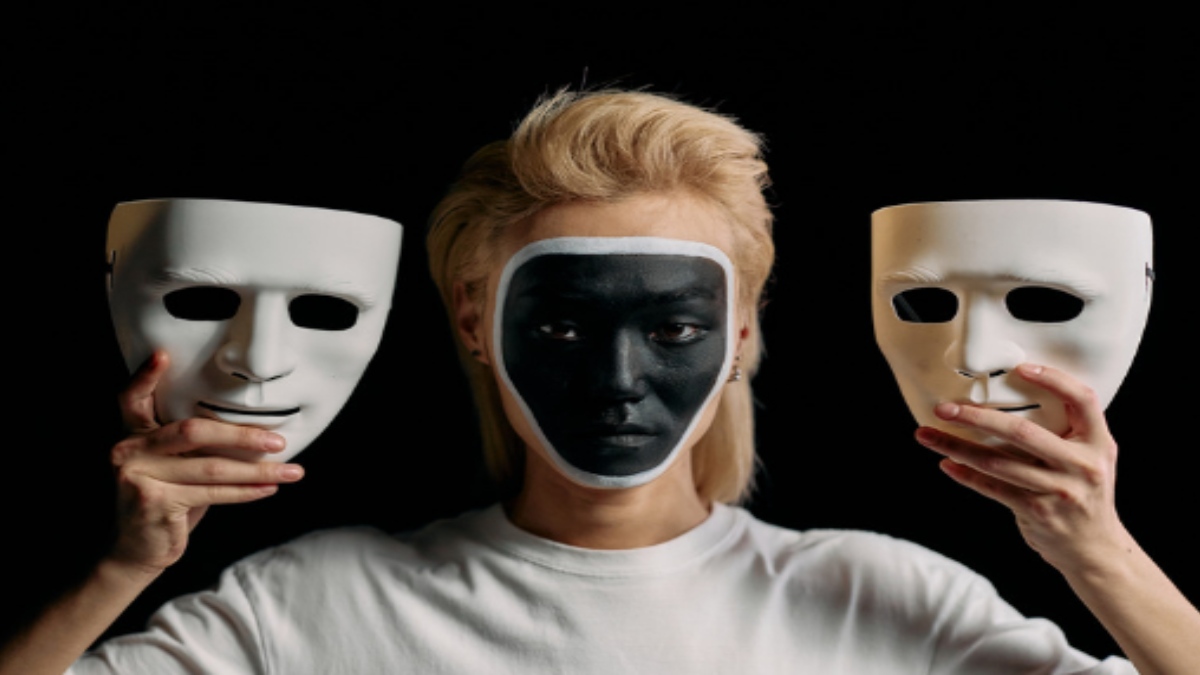
This type of behaviour is often described as masking.
Masking refers broadly to consciously or unconsciously hiding parts of yourself or changing your natural behaviour to meet perceived social expectations. The term is used in several psychological and social contexts, including discussions about neurodivergence, social anxiety, trauma, people-pleasing and emotional coping.
Related Articles


Therapist Jeffrey Meltzer has discussed the importance of understanding why people develop these behaviours rather than simply judging themselves for doing them. Masking can sometimes begin as a way of feeling safe or accepted, but maintaining a “mask” for long periods can become emotionally exhausting.
What Does Masking Look Like
Masking can take many forms, and it is not always obvious.
Someone might:
Related Articles


- Pretend to be interested in a conversation when they are overwhelmed
- Hide sadness, anger or anxiety
- Change their personality around different groups
- Rehearse conversations before speaking
- Copy the behaviour or communication style of others
- Avoid expressing personal opinions to prevent disagreement
- Force themselves to participate socially when they need a break
- Suppress behaviours they naturally use to feel comfortable
- Constantly monitor how they appear to other people
Everyone adjusts their behaviour to some extent. Social flexibility is normal. Masking becomes more concerning when someone feels they cannot safely express their authentic thoughts, needs or personality.
Why Do People Mask
One major reason is the desire to belong.
People naturally want acceptance from family, friends, colleagues and communities. If someone has previously experienced criticism, rejection, bullying or exclusion, they may learn to hide characteristics that they believe could attract negative attention.
Masking can also develop as a response to social expectations. Someone may believe they need to appear cheerful, confident, productive or agreeable even when they are struggling.
For some neurodivergent people, masking may involve consciously or unconsciously suppressing natural behaviours or copying socially expected behaviours. This can require significant mental effort.
Masking Can Become a Learned Habit
Initially, masking may feel useful. A person might discover that acting a certain way helps them avoid conflict or gain social approval.
Over time, however, the behaviour can become automatic.
Someone may stop asking themselves, “What do I actually want?” and instead focus primarily on, “What will other people expect from me?”
This can make it difficult to recognize personal preferences, emotions and boundaries.
Emotional Exhaustion Is Common
Constantly monitoring your words, facial expressions, body language and reactions can be tiring.
A person may appear perfectly comfortable socially but feel completely drained afterward. They might need significant alone time to recover from situations in which they felt required to perform a particular version of themselves.
Long-term emotional suppression can also make it harder to recognize and communicate genuine feelings.
Masking and Relationships
Masking can influence friendships and romantic relationships.
If someone consistently hides their needs or opinions, their partner or friends may not understand what they genuinely want. This can eventually create resentment or emotional distance.
Authentic relationships require some degree of vulnerability. People need to be able to say when they are uncomfortable, tired, upset or simply not interested in something.
Learning to communicate these feelings does not mean sharing every thought with everyone. Healthy authenticity also involves choosing appropriate people and situations in which to be open.
How Can You Start Reducing Masking
Getting over masking is usually not about suddenly becoming completely open with everyone. It is about gradually developing the ability to make choices based on your genuine needs rather than fear of judgment.
Start with small steps.
Ask yourself what you actually enjoy, dislike, need or believe. You might write these thoughts down if they are difficult to identify.
Then practise expressing low-risk preferences. For example, choose the restaurant you genuinely want to visit or politely decline an invitation when you need rest.
Learn to Recognize Your Emotional Signals
If you have spent years suppressing emotions, you may struggle to recognize them.
Pay attention to physical and emotional signals. Notice when your body feels tense, when you become unusually tired or when you feel uncomfortable during a conversation.
Instead of immediately ignoring these signals, ask yourself what they might be communicating.
Set Boundaries
Healthy boundaries are an important part of reducing people-pleasing and excessive masking.
You can say:
“I can't do that today”
“I need some time to think about it”
“I'd rather do something quieter”
“I don't agree, but I respect your opinion”
You do not always need a long explanation for a reasonable boundary.
Choose Safe People
Authenticity becomes easier when you spend time with people who respect differences.
You don't need to reveal your most vulnerable thoughts immediately. Start with people who have demonstrated that they can listen without mocking, shaming or dismissing you.
Feeling accepted can gradually reduce the perceived need to perform.
Consider Professional Support
If masking is connected to severe anxiety, trauma, depression, neurodivergence or persistent difficulty functioning socially, speaking with a qualified mental health professional can be helpful.
Therapy can provide a safe environment to explore where masking developed, what purpose it currently serves and which behaviours you want to change.
The goal is not necessarily to eliminate every form of social adaptation. Instead, it is to develop greater choice and self-awareness.
Authenticity Does Not Mean Being Unfiltered
Being authentic does not mean saying everything you think or ignoring social boundaries.
Healthy authenticity involves being honest while remaining respectful of other people. You can adapt your behaviour to different situations without completely losing touch with who you are.
The aim is to make social choices consciously rather than feeling that you must constantly hide yourself to be accepted.
Masking is often a coping strategy rather than a personal failure. People may develop it because they want acceptance, safety or protection from criticism and rejection.
However, constantly hiding emotions, preferences or natural behaviours can become exhausting and may affect relationships and emotional wellbeing.
Moving away from excessive masking is usually a gradual process. Start by noticing when you are changing yourself for other people's approval, identifying your genuine needs and practising small acts of authenticity with people you trust.
If masking is causing significant distress or is connected to anxiety, trauma or other mental health concerns, professional support can provide guidance.
You do not have to be completely unfiltered to be authentic. The goal is to feel that you have the freedom to be yourself and that you can choose when, where and with whom you share different parts of who you are.

Comments 0