
Bread is one of the things that most people eat for breakfast so it can be hard to know which is healthiest. There are whole-wheat, multigrain and sourdough bread on supermarket shelves but all three can form part of a healthy diet (ingredients vary, preparation methods may differ and portion sizes may vary too).
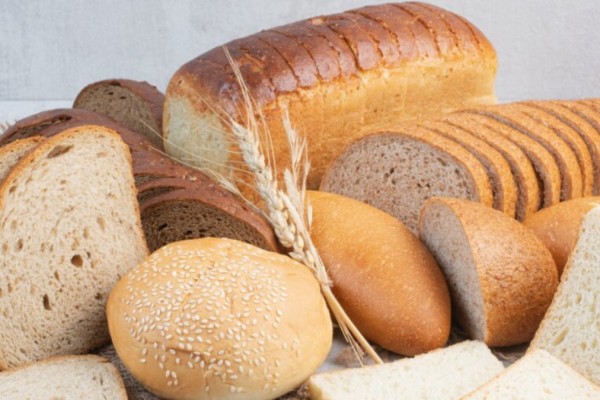
So which bread should you choose for better digestion, weight control and health? Here’s a closer look at the three types.
1. Whole-Wheat Bread: A Good Source of Fibre
Whole-wheat bread is generally considered a healthier alternative to regular white bread because it’s made with whole wheat flour. Refined flour doesn’t contain the bran, germ and endosperm of the grain.
Related Articles


These components supply dietary fibre, vitamins and minerals.
Health benefits of whole-wheat bread:
- Helps healthy digestion and regular bowel movements.
- Provides fibre that helps you feel full for longer.
- Can help manage blood sugar better than refined white bread.
- Contains nutrients like magnesium, iron and B vitamins.
Whole wheat bread is an everyday choice, especially if you’re trying to increase fibre intake. But check the ingredients list to make sure whole-wheat flour is the first ingredient listed.
Related Articles


2. Multigrain Bread: More Than One Type of Grain
Multigrain bread is made from two or more types of grains or seeds (wheat, oats, barley, millet flaxseeds sunflower seeds).
How healthy it is depends on what’s in it. Multigrain bread sounds healthy but isn’t necessarily made from whole grains – some varieties are mostly refined flour with small amounts of other grains.
Health benefits of multigrain bread:
- Can provide a variety of nutrients from different grains and seeds.
- Some varieties have more fibre and healthy fats.
- May support digestive health when made with whole grains.
- Can provide a satisfying breakfast option.
When buying multigrain bread look for products that clearly state whole grains and have good fibre content.
3. Sourdough Bread: Is It Easier to Digest?
Sourdough bread is made with a natural starter (wild yeast and lactic acid bacteria) which ferments the dough before baking. The sourdough bread has a slightly sour flavour and chewy texture because it ferments before baking.
The fermentation changes some components of the dough and may increase the availability of some minerals.
Health benefits of sourdough bread:
- Fermentation can reduce some compounds (phytates) called phytates.
- May be easier to tolerate for some people than regular bread.
- Can have different blood sugar response depending on flour and preparation method.
- It has a flavour that’s not necessarily the same as other ingredients.
But sourdough isn’t necessarily healthier than whole-wheat bread — benefits depend on whether it’s made with whole-grain flour or refined flour.
Whole-Wheat vs Multigrain vs Sourdough: Which Should I Choose?
Each variety has its own benefits. Whole wheat bread is a good everyday fibre source; multigrain bread (made with whole grains and seeds) can be richer in nutrients than white bread since it offers a wider range of nutrients. Sourdough has fermentation-related benefits but may appeal to people who like the texture and flavour.
For most people that’s a good place to start: bread made mostly from whole grains.
What Should You Check Before Buying Bread?
Read the nutrition label and ingredient list carefully before buying bread.
Consider these factors:
- Fibre: Pick varieties that are higher in fibre.
- Added sugar: Stay away from products with too much added sugar.
- Sodium: Compare salt levels between brands.
- Ingredients: Look for whole-wheat flour or clearly identified whole grains as main ingredients.
- Portion size: Even nutritious bread has calories.
Final Verdict: Which Bread Is the Healthiest?
There is no single winner for everyone. Whole-wheat bread is good everyday food because of fibre content; multigrain bread can be equally beneficial when it contains whole grains and sourdough has the benefits of fermentation.
In the end, the healthiest bread is made with good ingredients, fibre and few unnecessary additives. Bread can also be eaten with eggs, vegetables, peanut butter or other protein-rich foods to make breakfast more balanced.
Please note: This article is general nutritional advice and not a substitute for personal medical or dietary advice. People with coeliac disease or gluten sensitivity should avoid wheat bread unless advised otherwise by a qualified healthcare professional.




Comments 0