
There is something wonderfully refreshing about eating a cold scoop of ice cream on a hot day—until a sudden, sharp pain shoots through your forehead. For a few uncomfortable seconds, the delicious treat can seem like a very bad idea. This familiar phenomenon is commonly called brain freeze, although it does not actually mean that your brain has become cold.
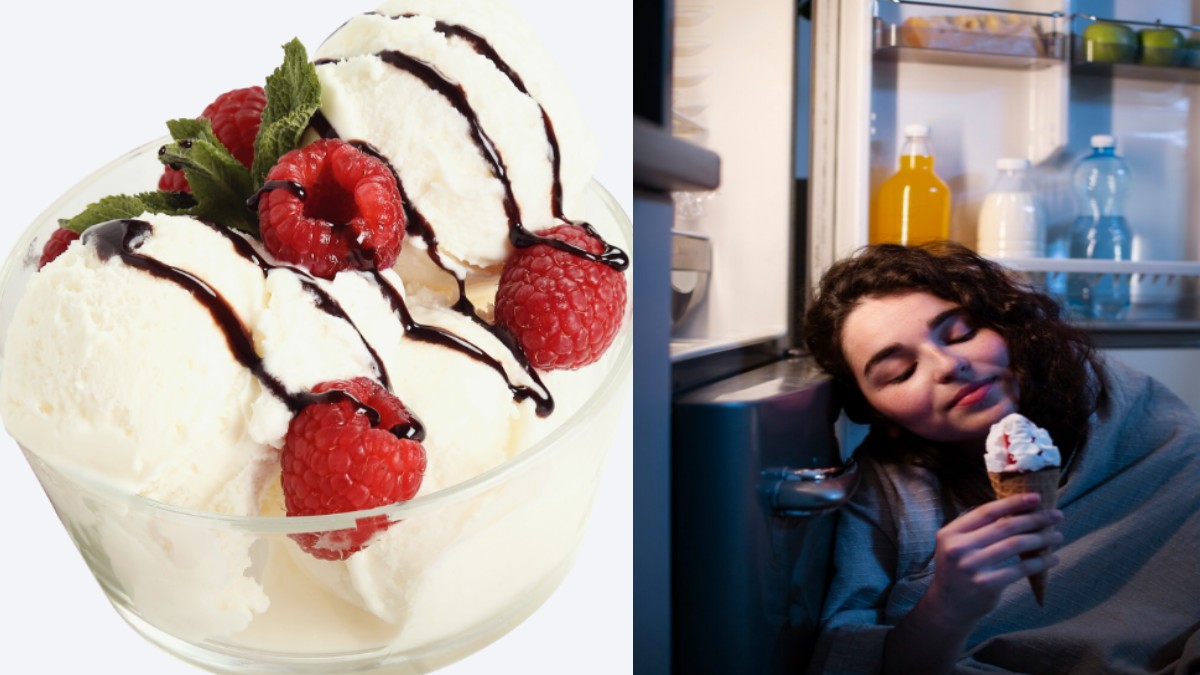
The medical term often used for this sensation is cold-stimulus headache. It can happen after consuming ice cream, frozen drinks, ice pops or other very cold foods and beverages quickly.
So, what exactly causes this strange headache?
Related Articles


What happens during brain freeze
When very cold food or liquid rapidly comes into contact with the roof of the mouth, or palate, it can stimulate nerves and blood vessels in that area. The trigeminal nerve, which carries sensation from much of the face and head, plays an important role in how the sensation is perceived.
The sudden cold stimulus can cause nearby blood vessels to respond to the temperature change. Signals from the nerves in the mouth are then interpreted by the brain as pain in the head or forehead.
This is an example of referred pain, where the source of the stimulus is in one location but the pain is perceived somewhere else.
Related Articles


That is why you may feel as though the pain is coming from inside your forehead even though the trigger is actually in your mouth.
Why does it happen so quickly
Brain freeze tends to occur when someone eats or drinks something extremely cold rapidly. The faster the cold reaches the roof of the mouth, the more intense the temperature change can be.
Not everyone experiences brain freeze, and people who do may find that it varies from one occasion to another. The temperature of the food, how quickly it is consumed and where it makes contact in the mouth can all influence the experience.
Some people are particularly familiar with the phenomenon because they enjoy eating frozen treats quickly.
Is brain freeze dangerous
For most healthy people, brain freeze is harmless and temporary. The pain usually disappears within seconds or a few minutes after the cold stimulus is removed.
Although the sensation can be surprisingly intense, it does not mean that the brain itself is freezing or being damaged.
The important distinction is between an occasional, short-lived cold-stimulus headache and a persistent or severe headache that occurs independently of eating or drinking something cold.
How can you stop brain freeze
The simplest response is to stop consuming the cold food or drink for a moment and allow the mouth to warm naturally.
You can also press your tongue against the roof of your mouth. Since the tongue is relatively warm, this may help warm the palate and reduce the cold stimulus.
Drinking something at room temperature can also help. Most importantly, avoid continuing to eat the frozen food rapidly while the pain is occurring.
Can brain freeze be prevented
Prevention is usually straightforward. The easiest strategy is to slow down when eating ice cream or drinking very cold beverages.
Instead of taking large bites or gulps, consume cold foods in smaller amounts and allow them to warm slightly in the mouth before swallowing. Try to avoid holding extremely cold foods directly against the roof of your mouth.
These simple changes can significantly reduce the likelihood of triggering the characteristic headache.
Does brain freeze have anything to do with migraines
Research has found associations between cold-stimulus headaches and migraine susceptibility. People who experience migraines may be more likely to experience brain freeze, although having an ice cream headache does not mean that someone has migraine.
Brain freeze is generally much shorter and has a clear trigger: exposure to something very cold.
If headaches occur frequently without an obvious trigger, last for a prolonged period or are accompanied by concerning symptoms, it is appropriate to seek medical advice rather than assuming they are simply brain freeze.
The next time you eat ice cream
Brain freeze may feel dramatic, but there is usually nothing mysterious or dangerous happening inside your head. It is essentially your nervous system responding to a sudden cold stimulus in the mouth and producing referred pain.
So, the next time you reach for your favourite ice cream, there is no need to give up your dessert. Just slow down, take smaller bites and enjoy it rather than racing to finish the bowl. Your palate and your forehead may thank you for it.


Comments 0