
Have you ever noticed an older family member beginning to walk more slowly, taking shorter steps or keeping their feet farther apart. In everyday conversation, this type of movement may sometimes be described as walking “like a penguin.” It is not a medical diagnosis, but the description often refers to a wider-based, cautious or slightly side-to-side walking pattern.
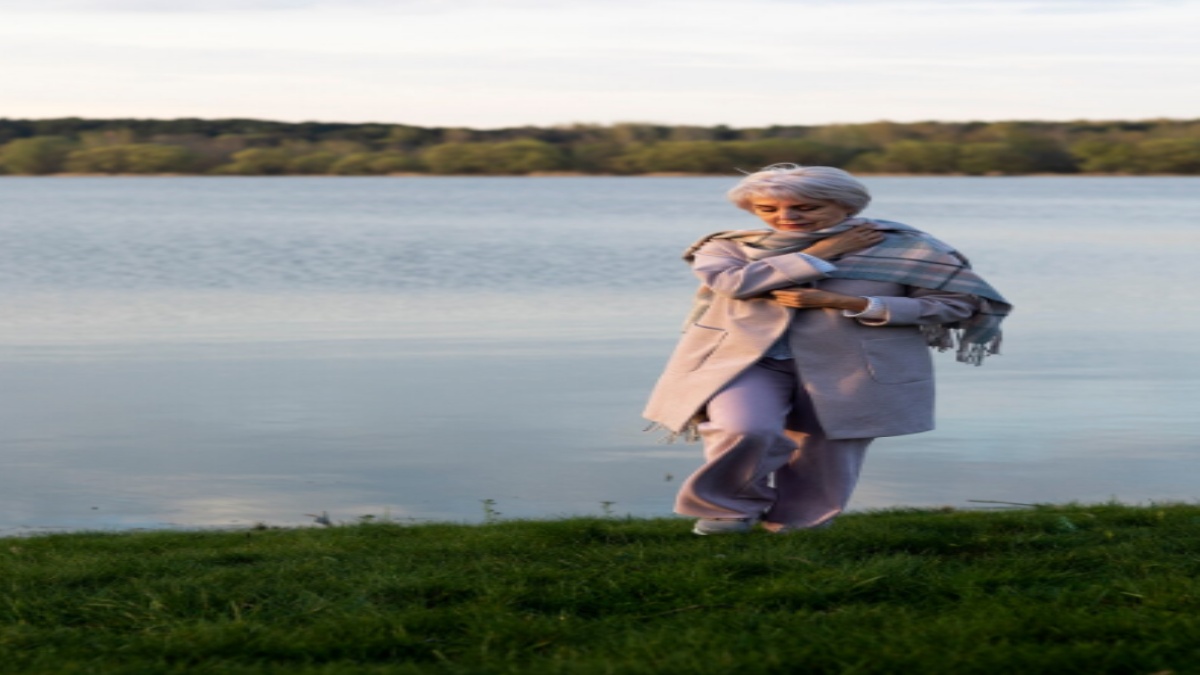
For many Indian mothers and women over 60, changes in walking can develop gradually. Years of household responsibilities, previous injuries, reduced physical activity, joint problems and age-related changes in muscle strength can all influence mobility.
However, getting older does not automatically mean that a person should develop significant walking difficulties. A change in gait can sometimes be a normal adaptation to reduced strength or balance, but it can also signal a medical or neurological problem.
Related Articles


Understanding the difference is important.
What Does a “Penguin-Like” Walk Mean
A person who feels less stable may naturally widen their stance. Instead of taking long, confident steps, they may take shorter steps and move more cautiously.
They may also shift their body from side to side or keep their arms slightly away from the body to improve stability.
Related Articles


This can happen because the body is attempting to reduce the risk of falling. A wider base can sometimes provide a greater sense of stability.
However, a persistent change in walking pattern should not simply be attributed to age.
1. Reduced Muscle Strength
Muscle mass and strength can decline with age, particularly when physical activity decreases. Weakness in the thighs, hips, calves and core can affect how confidently a person walks.
When the muscles responsible for maintaining posture and moving the legs become weaker, walking may become slower and more cautious.
Strength training appropriate for older adults can help maintain functional muscle strength. Exercises should be selected according to an individual's health and physical ability.
2. Knee and Hip Problems
Arthritis and other joint conditions are common causes of changes in walking.
When the knees or hips are painful, a person may unconsciously change their gait to reduce discomfort. This can lead to shorter steps, reduced movement at the joints or shifting weight from one side to another.
Persistent joint pain, swelling or stiffness should be assessed by a healthcare professional rather than ignored.
3. Changes in Balance
Balance can become more challenging with age. Vision changes, reduced lower-body strength, changes in the inner ear and neurological conditions can all influence balance.
Someone who feels unsteady may instinctively widen their stance and slow down.
Balance exercises, when appropriately prescribed, can help older adults maintain confidence and functional mobility.
4. Fear of Falling
Previous falls can have a major psychological effect. Even after recovering physically, a person may become afraid of falling again.
That fear can cause them to walk more slowly, look down constantly or take smaller steps. Unfortunately, excessive caution can sometimes further reduce activity and strength, creating a cycle of declining mobility.
Encouraging safe movement and professional assessment can help address both physical and psychological factors.
5. Foot Problems
Foot pain, bunions, corns, poorly fitting footwear and other foot conditions can change the way someone walks.
Older adults may also have reduced sensation in their feet, particularly when certain medical conditions affect the nerves.
Comfortable, supportive footwear can help, but persistent pain or numbness should be evaluated.
6. Vision Changes
Good vision plays an important role in balance and navigation. Difficulty seeing obstacles, steps or uneven surfaces can make walking more cautious.
Regular eye examinations can help identify vision problems that may be contributing to mobility difficulties.
7. Reduced Physical Activity
A less active lifestyle can contribute to loss of strength, flexibility and cardiovascular fitness.
For some older adults, spending long periods sitting can gradually make everyday movement more difficult. Regular walking, appropriately designed strength exercises and balance activities can help preserve physical function.
The right activity level depends on the person's health, fitness and medical conditions.
When Should You Be Concerned
A new or rapidly worsening change in walking deserves medical attention, particularly when it appears suddenly.
Seek prompt medical evaluation if walking difficulties occur alongside new weakness, numbness, severe dizziness, confusion, difficulty speaking, facial drooping or a sudden loss of coordination. These can be warning signs of a serious neurological problem, including stroke.
Other concerning symptoms include repeated falls, unexplained fainting, severe pain, significant tremors or a rapidly worsening loss of balance.
A healthcare professional can determine whether the change is related to joints, muscles, vision, neurological function, medication or another underlying issue.
How Can Physiotherapy Help
A physiotherapist can assess gait, balance, muscle strength, joint movement and functional ability.
Rather than simply telling an older adult to "walk normally," a physiotherapist can identify why their walking pattern has changed.
A personalised program may include strengthening exercises, balance training, flexibility work, gait retraining and advice about safe movement at home.
Exercises should be tailored to the individual. Older adults with chronic conditions or a history of falls should ideally receive professional guidance before starting a new exercise routine.
Simple Habits That May Support Healthy Mobility
Maintaining mobility after 60 is often about consistency rather than intense workouts.
Older adults can discuss suitable activities with their healthcare provider and consider incorporating regular walking, strength exercises, balance activities and gentle mobility exercises into their routines.
Keeping pathways at home clear, improving lighting and using appropriate footwear can also reduce fall risks.
Nutrition is important as well. Adequate protein and overall balanced nutrition support muscle health, while vitamin and mineral needs should be addressed according to individual medical advice.
A “penguin-like” walking pattern is not an inevitable part of ageing. A wider stance, shorter steps or increased side-to-side movement may develop because of reduced strength, joint pain, balance changes, fear of falling, foot problems or reduced activity.
For Indian mothers and other adults over 60, noticing these changes early can provide an opportunity to improve mobility and prevent complications.

Comments 0