
A major life change can sometimes become the starting point for a completely different chapter. For one woman, divorce became an opportunity to focus on herself, rebuild her confidence and work toward the body and lifestyle she had always wanted.
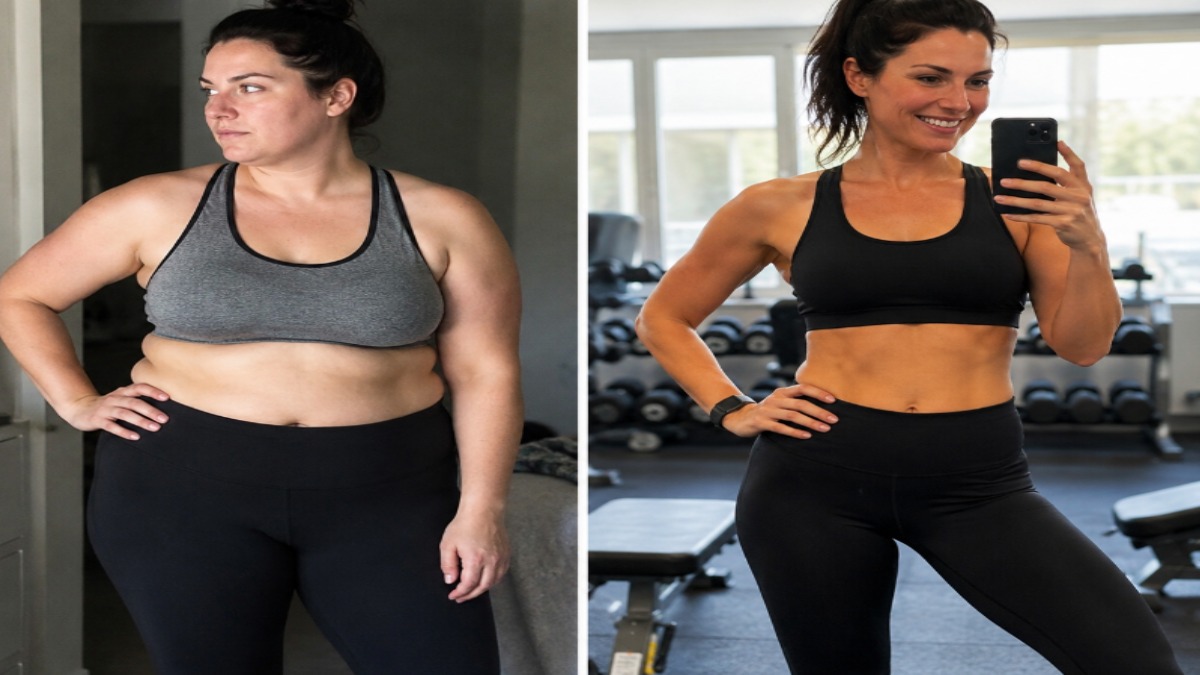
While social media often makes physical transformations appear effortless, meaningful changes usually involve consistency, patience and a shift in everyday habits. Her story is less about achieving a supposedly perfect body and more about discovering a healthier relationship with exercise, food and self-care.
The Transformation Started With a Mindset Shift
After divorce, it can be tempting to make dramatic changes immediately. However, sustainable transformation generally begins with realistic goals rather than extreme restrictions.
Related Articles


Instead of viewing fitness purely as a way to change her appearance, the woman focused on taking control of aspects of her life that she could influence. Exercise became a routine and healthy eating became a form of self-care rather than punishment.
This distinction can be important. When fitness is connected only to appearance, motivation may disappear when progress slows. When it is connected to strength, energy and wellbeing, it can become easier to maintain.
She Focused on Consistency
One of the biggest lessons from any successful transformation is that progress rarely happens overnight.
Related Articles


Rather than expecting dramatic results within weeks, she worked on building habits she could repeat. Regular workouts, daily movement and better food choices gradually became part of her lifestyle.
Consistency does not necessarily mean exercising intensely every day. Rest and recovery are also important. A sustainable routine may include strength training, cardiovascular exercise, walking, mobility work and rest days.
The right combination depends on an individual's fitness level, preferences and health.
Strength Training Can Change More Than the Scale
For people hoping to improve body composition, strength training can be particularly useful. Resistance exercises can help build and maintain muscle while supporting strength and physical function.
Exercises such as squats, lunges, rows, presses and other resistance movements can be adapted to different fitness levels.
A transformation should not be judged only by body weight. Improvements in strength, stamina, mobility, energy and confidence can be equally meaningful.
Nutrition Was Part of the Process
Exercise alone is not the complete answer to body transformation. Food choices also play an important role.
Instead of relying on extreme diets, a sustainable approach generally focuses on nutritious foods that provide protein, fibre, vitamins, minerals and healthy fats.
Vegetables, fruits, whole grains, legumes, eggs, lean proteins, nuts, seeds and other minimally processed foods can form the foundation of a balanced eating pattern.
There is also room for favourite foods. Healthy eating does not have to mean eliminating every food that someone enjoys.
She Learned to Be Patient With Progress
Body changes can vary significantly from person to person. Genetics, age, starting fitness level, sleep, stress, hormones, nutrition and activity levels can all influence results.
Progress may also slow down over time. This is normal and does not necessarily mean that a routine has stopped working.
Taking photographs, tracking strength improvements or monitoring how clothes fit can sometimes provide a more useful picture of progress than weighing yourself every day.
Self-Care Became More Than Exercise
After a major relationship change, emotional wellbeing can be just as important as physical health.
Spending time with supportive friends and family, pursuing hobbies, getting adequate sleep and creating personal boundaries can all contribute to recovery.
Exercise can also provide a sense of routine and accomplishment during a period when life feels uncertain. However, it should complement emotional support rather than become a way of avoiding difficult feelings.
Avoid Comparing Your Transformation With Someone Else's
The phrase “dream body” can create unrealistic expectations because every person's body is different.
Social media images may involve professional lighting, posing, makeup, carefully selected angles and image editing. Even genuine transformations cannot be duplicated exactly because bodies respond differently to exercise and nutrition.
A healthier goal is to define what feeling and looking your best means to you.
For one person, that might mean becoming stronger. For another, it might mean improving cardiovascular fitness, developing healthier eating habits or simply feeling comfortable in their body.
A New Chapter After Divorce
Divorce can be emotionally difficult, but it can also encourage people to reassess their priorities. Rebuilding a routine around personal goals can provide a sense of direction.
The woman's transformation illustrates how focusing on yourself does not have to mean chasing perfection. It can mean learning to prioritise your health, establishing boundaries and becoming more confident in your choices.
The most valuable change may not be visible in photographs. It may be the confidence that comes from knowing you can set a goal, remain patient and follow through.
A “dream body” is different for everyone, and physical transformation should not be treated as a requirement for happiness after divorce.
A healthier approach is to focus on consistent movement, balanced nutrition, adequate recovery and emotional wellbeing. Sustainable habits are generally more valuable than extreme diets or punishing workouts.
For anyone beginning a fitness journey after a major life change, start with small, achievable goals. Celebrate improvements beyond appearance and give yourself time to adapt.
The real transformation may be not only in how your body looks, but also in how confidently you move through your new chapter.

Comments 0