
The World Lung Cancer Day, held on August 1, is an annual reminder of the growing global burden of lung cancer and why early identification, prevention and awareness is so important. Smoking is still the main risk factor, but doctors are seeing cases among young adults, women and people who have never smoked, challenging the long-held belief that lung cancer only affects smokers.
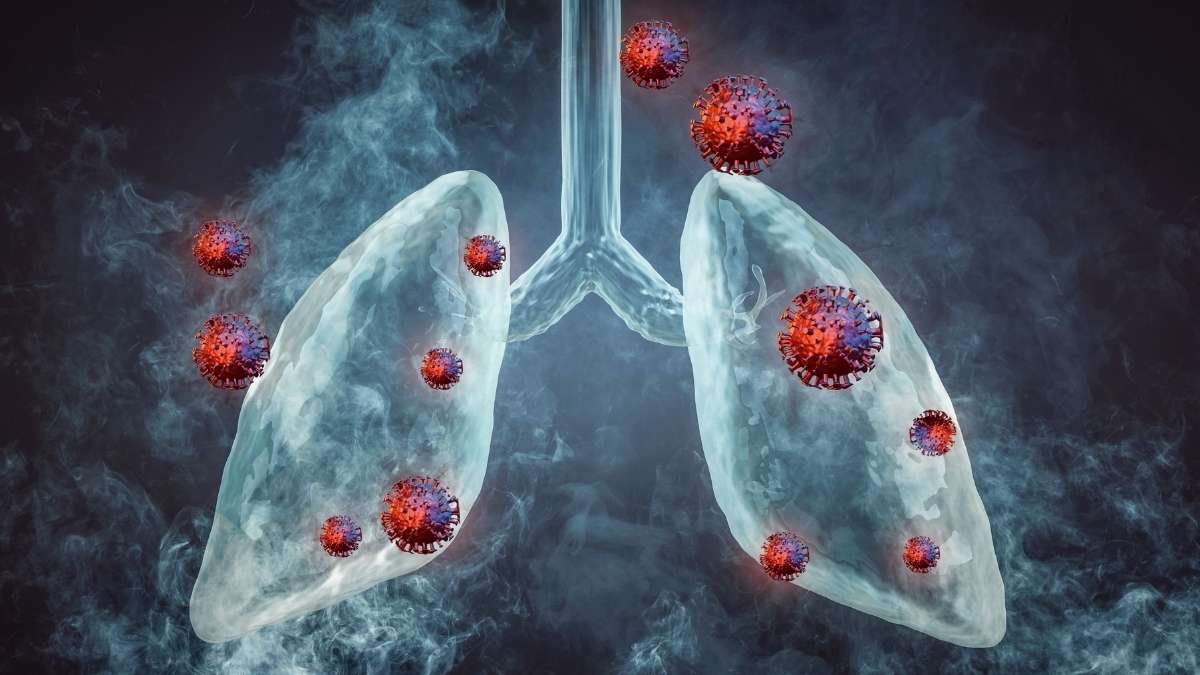
Health experts say diagnostic technology has led to a better detection of lung cancer at earlier stages. At the same time, changes in the environment and lifestyle are driving up the number of non-smokers. Air pollution, secondhand smoke, occupational hazards, genetic factors and indoor pollutants like radon gas are now recognized as major contributors to lung cancer risk.
For example, one of the most worrying trends is the rising number of non-smoking women being diagnosed with lung cancer. Some researchers think hormonal factors, genetic mutations, environmental exposure and long-term exposure to indoor air pollution from biomass fuels in some regions may be factors contributing to this increase, but it is not yet clear why.
Related Articles

Young adults are also being diagnosed more frequently than in previous decades. Although lung cancer remains more common in older adults, doctors stress that continuing respiratory symptoms in younger people are not to be dismissed just because of age or smoking history.
In order to increase survival rates, early diagnosis is critical. Common symptoms of lung cancer are a persistent cough lasting more than three weeks, coughing up blood, chest pain, shortness of breath, unexplained weight loss, recurrent chest infections, persistent fatigue, hoarseness, and wheezing. These symptoms are also common with other medical conditions, but patients with persistent or worsening symptoms should seek medical evaluation quickly.
Medical experts recommend that people at high risk, especially long-term smokers and former smokers, discuss lung cancer screening with their healthcare provider. Low-dose CT (LDCT) scans have been shown to detect lung cancer earlier in high-risk individuals, improving treatment outcomes.
Related Articles


Preventing lung cancer is about reducing the exposure of people to known risk factors. Avoiding tobacco use is the most effective way to prevent lung cancer. Quitting smoking at any age provides health benefits and lowers the risk over time. Also, reducing exposure to secondhand smoke, having good indoor air quality, using safety gear at work and helping to reduce air pollution can all contribute to lowering risk.
Lung cancer treatment options have greatly advanced in the last 10 years. Depending on the type and stage of the disease, patients might benefit from surgery, chemotherapy, radiation therapy, targeted therapy or immunotherapy or a combination of treatments. Precision medicine and genetic testing have also enabled more personalized treatment approaches for certain patients.
Health care professionals are calling on people on World Lung Cancer Day 2026 to break old stereotypes about lung cancer and to help people to move beyond their old-fashioned thinking. Lung cancer can affect smokers and non-smokers alike. Awareness and early diagnosis can also improve outcomes and save lives. Early detection of symptoms (and in particular, timely diagnosis) is among the most effective tools to fight lung cancer.


Comments 0