
Life today leaves us mentally exhausted. Long working hours, notifications all day long, personal responsibilities and irregular sleep schedules make it hard to relax even when we have done our tasks for the day. Physical exercise and healthy eating are important but so is time for mental relaxation too.
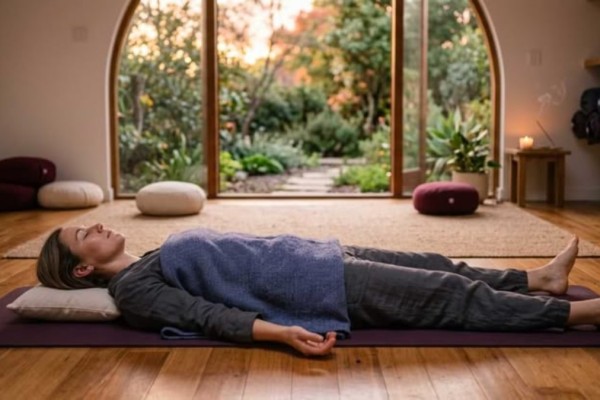
Yoga Nidra (yogic sleep) is one practice that’s getting attention for its mental wellness benefits. Instead of physical postures and movements (yoga), Yoga Nidra is a guided relaxation and awareness practice. Lying comfortably, you guide the body to rest while the mind follows instructions.
A growing body of research has looked at whether this practice can help people manage stress, anxiety and other aspects of mental well-being.
Related Articles


What Is Yoga Nidra?
Yoga Nidra is a guided meditation practice that allows the body to enter a deep state of relaxation while remaining conscious (cognitively aware). It’s generally done lying on the back in Shavasana (corpse pose).
In a session the trained instructor or recorded audio guide guides participants through stages of relaxation (e.g. breathing, physical sensations, noticing parts of body etc) and visualisation.
You don’t want to make the mind stop thinking or fall asleep right away. You want practitioners to observe their thoughts without getting distracted by them.
Related Articles


This is what makes Yoga Nidra accessible to beginners because it doesn’t require advanced flexibility, physical strength or yoga experience.
How Can Yoga Nidra Help Reduce Everyday Stress?
Stress is part of modern life. But constant mental pressure without sufficient recovery time can impair mood, concentration and well-being.
Yoga Nidra gives us a structured way to pause and relax. When we shift focus from external stimuli (like the TV) to breathing and sensations in our bodies we can temporarily step away from daily distractions.
Research has also started looking at these benefits. A systematic review and meta-analysis published in Annals of the New York Academy of Sciences in 2026 looked at 73 studies with 5,201 participants.
The researchers found improvements in stress, anxiety and depressive symptoms in several studies but also pointed out research quality limitations and differences between study methods. So the results are encouraging but not proof of clinical effectiveness.
Yoga Nidra should be seen as a possible relaxation and wellness practice rather than an alternative to professional mental health care.
Potential Benefits of Practising Yoga Nidra
Individual experiences will vary but regular guided relaxation may have several potential benefits.
1. Encourages physical relaxation
People can spend time resting without physically exerting themselves. Focusing on different body parts may also increase awareness of physical tension.
2. Supports stress management
Taking a break from daily activities may make people feel calmer. Guided breathing and relaxation can give you a structured way to deal with moments of everyday pressure.
3. May support better sleep routines
Relaxation practices are useful before bedtime because they create a calmer transition between daily activities and sleep. Yoga Nidra is not guaranteed to treat insomnia or other sleep disorders.
4. Improves awareness of thoughts and emotions
It asks people to pay attention to their thoughts rather than react immediately to them. Over time it may lead to more awareness of emotional reactions.
5. Requires minimal equipment
Yoga Nidra doesn’t require expensive equipment, gym memberships or special clothing. Just a comfortable place to lie down and a guided audio session should do it!
How Beginners Can Practise Yoga Nidra
There’s no need for a complex routine to get started. Beginners can take a few steps to introduce the practice into their daily lives.
- Choose a quiet place: Go somewhere comfortable where interruptions are unlikely.
- Lie down comfortably: Use a yoga mat, carpet or bed and be relaxed.
- Follow a guided session: Kids can use a recorded Yoga Nidra session or have an instructor guide them.
- Listen to the instructions: Breathe; be aware of your body; visualise without forcing concentration.
- Start small: A five-ten minute session might be OK to start with. Work up to longer sessions later on if you feel comfortable.
Some practitioners also use Sankalpa (personal intention or resolve) during practice. It gives direction and personal reflection.
Is Yoga Nidra Suitable for Everyone?
Yoga Nidra is generally low intensity relaxation practice and does not require strenuous physical movement. Experiences may vary from person to person though.
People who are uncomfortable, distressed or have unwanted emotional reactions during meditation should stop doing it or modify the practice. People with persistent anxiety, depression, sleep problems or other mental health issues should seek professional help.
It’s also important to keep in mind that relaxation techniques work differently for different people. What feels good to one person may not be the same experience for someone else.
Why Making Time for Relaxation Matters
Productivity is often given a lot of attention in modern lifestyles people plan their work schedules, exercise routines and personal commitments but rarely pause to deliberate rest.
Yoga Nidra is one way to make relaxation part of everyday life. It doesn’t take a lot of time or effort so it’s an option for people who are busy.
Whether practised during a short break at lunch or as part of an evening routine it can give you time to slow down and reconnect with the present moment.
Mental well-being is not only about responsibilities but also recognising when mind and body need rest. A regular relaxation routine (along with healthy lifestyle habits) may help people find a more balanced way of living everyday life.




Comments 0