
Pregnancy is a period of major physical and developmental change, and the substances a pregnant person uses can affect both their health and the developing baby. Drug use during pregnancy can include illegal or recreational substances, misuse of prescription medicines, or using medicines without appropriate medical guidance.
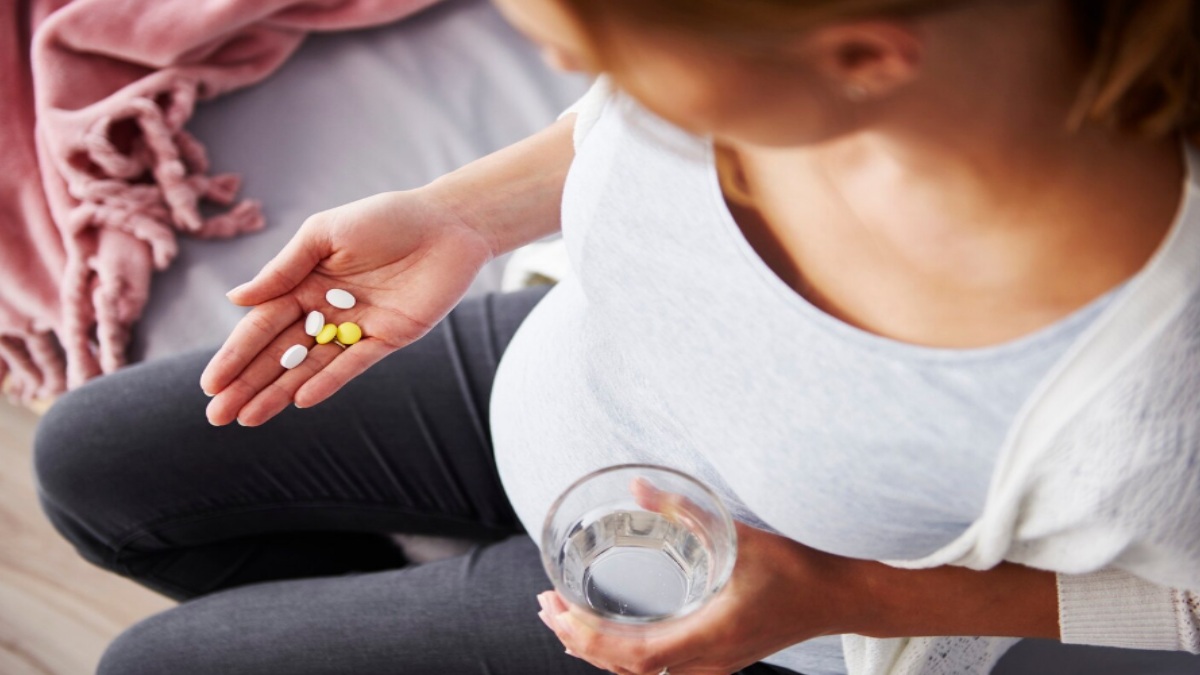
Depending on the substance, amount, frequency and stage of pregnancy, exposure may create different risks.It is important to remember that substance use is a health issue, not a reason for shame or judgment. If someone is pregnant and using drugs, seeking medical help as early as possible can make a meaningful difference. Healthcare professionals can assess the situation, provide appropriate treatment and help reduce potential risks.
Why Drug Exposure Can Be Concerning During Pregnancy
Many substances can cross the placenta and reach the developing fetus. Because fetal organs and systems are developing throughout pregnancy, exposure to certain drugs can interfere with normal development.
Related Articles


The effects vary considerably. Some substances may increase the risk of miscarriage, while others have been associated with poor fetal growth, premature birth, placental complications or problems affecting newborn health. The risks can also depend on whether multiple substances are being used.
There is no single list of effects that applies to every drug or every pregnancy. Medical assessment is therefore essential.
Effects on Fetal Growth and Development
Certain drugs can affect fetal growth and development. Babies exposed to some substances during pregnancy may have a lower birth weight or may be born earlier than expected.
Related Articles


Some exposures have also been associated with problems involving the developing brain and nervous system. Depending on the substance and degree of exposure, children may later experience difficulties involving learning, behaviour, attention or development.
These outcomes are not inevitable, and many factors influence a child's health. Nevertheless, avoiding potentially harmful substances during pregnancy is an important preventive step.
Prescription Medicines Need Careful Consideration
Drug use during pregnancy does not only refer to illegal substances. Prescription and over-the-counter medicines can also require careful consideration.
Some medicines are considered appropriate during pregnancy, while others may carry risks at particular stages or doses. People who are pregnant should tell their healthcare professional about all medicines, supplements and herbal products they use.
However, it is equally important not to stop prescribed medication suddenly without medical advice. For certain conditions, untreated illness can also pose risks during pregnancy. A healthcare professional can weigh the potential benefits and risks and recommend the safest approach.
Alcohol and Other Substances
Alcohol is another important concern during pregnancy. Alcohol exposure can affect fetal development and is associated with a range of potential lifelong effects. Because a completely safe amount of alcohol during pregnancy has not been established, avoiding alcohol is the safest approach.
Other substances, including opioids, stimulants and cannabis, can also present risks. The effects differ depending on the substance and pattern of use.
For someone who is dependent on a substance, abruptly stopping may not always be safe. Medical supervision may be necessary, particularly with certain drugs. This is why speaking to a healthcare professional is preferable to attempting withdrawal alone.
Neonatal Withdrawal and Newborn Health
Some substances can cause withdrawal symptoms in newborns after birth. This is sometimes referred to as neonatal withdrawal or neonatal abstinence syndrome, particularly following exposure to certain opioids.
Symptoms can include difficulties feeding, irritability, abnormal crying, tremors and problems sleeping. Babies may require monitoring and specialised care after delivery.
Not every exposed newborn develops significant withdrawal symptoms, and the severity can vary. Medical teams can assess babies after birth and provide appropriate treatment when necessary.
Why Early Medical Support Matters
If someone discovers they are pregnant while using drugs, they should seek prenatal care as soon as possible and provide healthcare professionals with accurate information about their substance use. This information helps clinicians understand potential risks and plan appropriate care.
Healthcare providers can also connect patients with addiction treatment, counselling and other support services. Treatment plans should be individualised, particularly when dependence is involved.
Most importantly, seeking help should not be delayed because of fear of judgment. Honest communication gives healthcare professionals the information they need to protect both mother and baby.
Creating a Safer Pregnancy
A healthy pregnancy involves more than avoiding harmful substances. Regular prenatal appointments, appropriate nutrition, adequate rest and management of existing health conditions all contribute to maternal and fetal wellbeing.
Partners and family members can also provide valuable support by encouraging medical care and avoiding blame or stigma.
Drug use during pregnancy can pose risks to both the pregnant person and developing baby, but the impact varies according to the substance, dose, timing and individual circumstances. Potential concerns include impaired fetal growth, premature birth, pregnancy complications, newborn withdrawal and developmental problems.
If you are pregnant and using recreational drugs, misusing prescription medicines or struggling with substance dependence, talk to a doctor, midwife or qualified healthcare professional as soon as possible. Do not stop certain drugs suddenly without medical guidance.
Getting professional support early is one of the most important steps you can take toward a safer pregnancy and healthier outcome for both you and your baby.




Comments 0