
Surya Namaskar, also known as Sun Salutation, is one of the most popular yoga sequences practiced worldwide. It combines 12 yoga poses performed in a continuous flow with synchronized breathing. Traditionally practiced at sunrise, Surya Namaskar is considered a complete body workout that strengthens muscles, improves flexibility, enhances blood circulation, and promotes mental well-being.
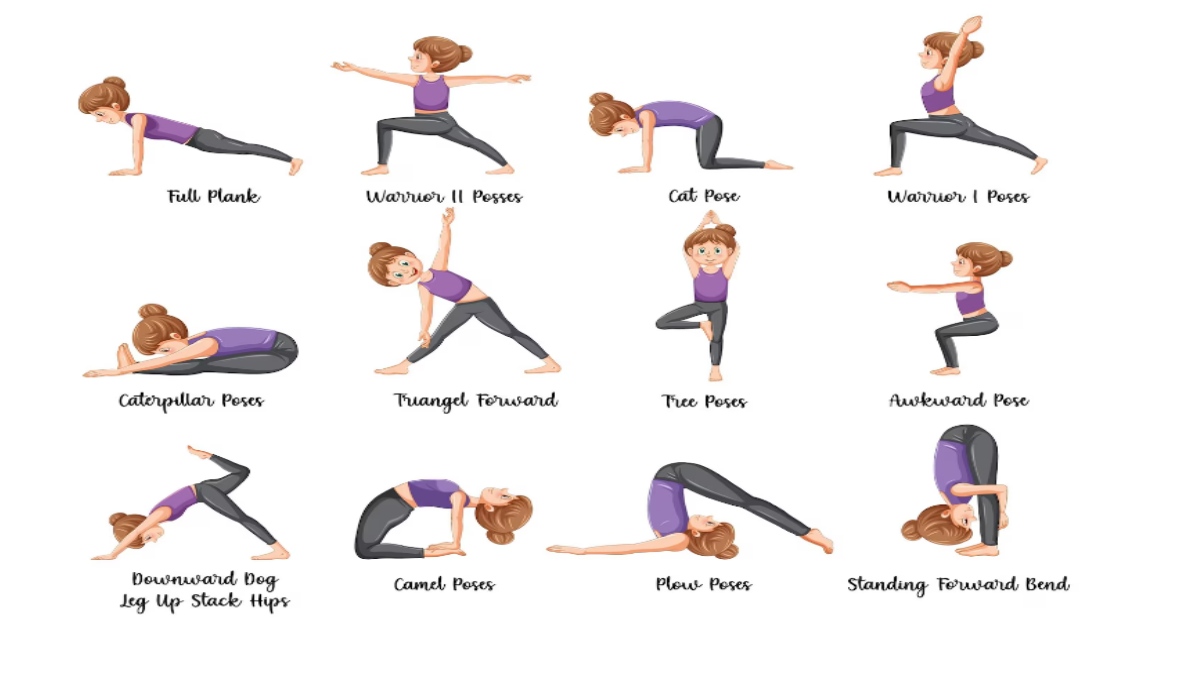
While many people search for the 12 steps of Surya Namaskar with pictures, understanding the purpose and correct technique of each pose is equally important. Below is a detailed guide to each step so you can practice safely and effectively.
1. Pranamasana (Prayer Pose)
Breathing: Exhale
Related Articles
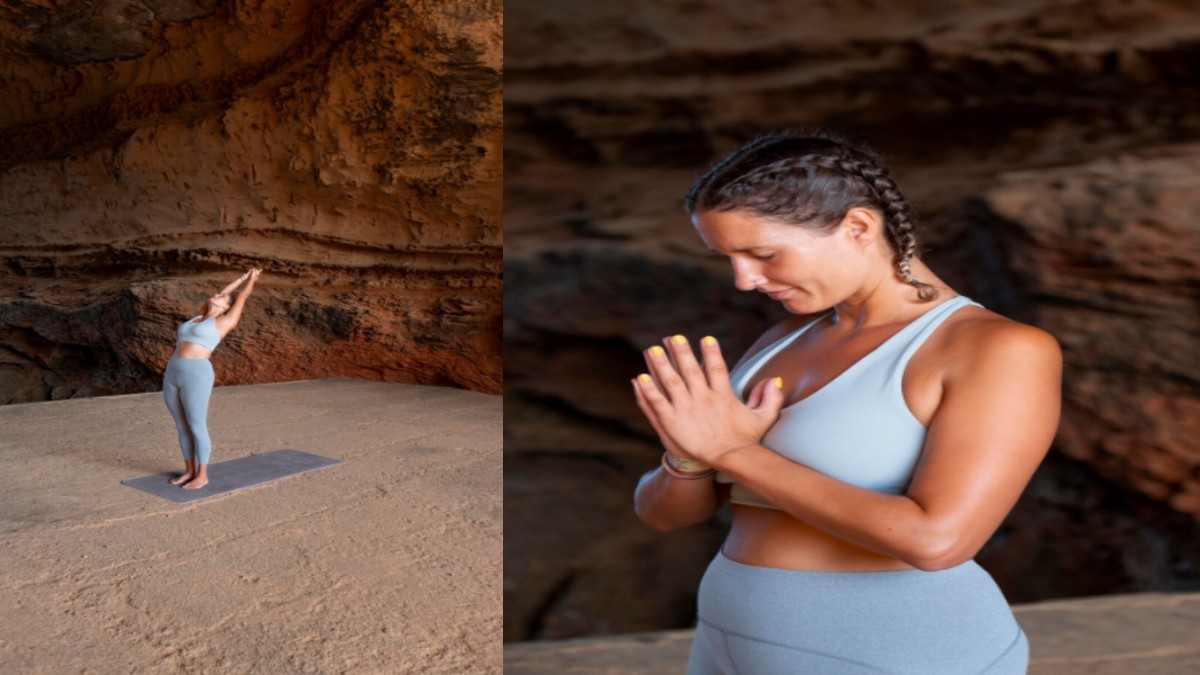
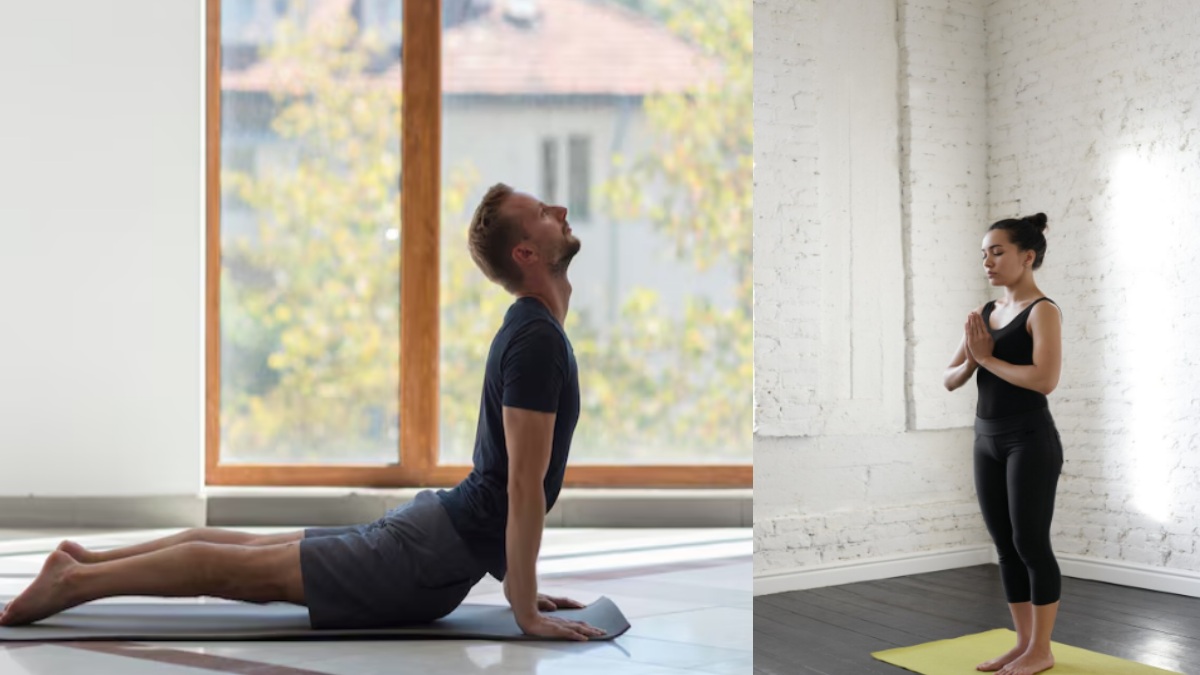
Stand upright with your feet together. Join your palms in front of your chest in a prayer position. Relax your shoulders and maintain a straight spine.
Benefits:
- Improves posture
- Calms the mind
- Enhances concentration
- Prepares the body for practice
2. Hasta Uttanasana (Raised Arms Pose)
Breathing: Inhale
Related Articles

Raise both arms overhead while keeping them shoulder-width apart. Gently arch your back and stretch your entire body upward.
Benefits:
- Opens the chest
- Strengthens shoulders
- Improves lung capacity
- Stretches abdominal muscles
3. Padahastasana (Standing Forward Bend)
Breathing: Exhale
Bend forward from your hips and place your hands beside your feet. Keep your knees straight if comfortable.
Benefits:
- Improves flexibility
- Stimulates digestion
- Relieves stress
- Stretches hamstrings
4. Ashwa Sanchalanasana (Equestrian Pose)
Breathing: Inhale
Move your right leg backward while bending the left knee. Keep your fingertips on the floor and look upward.
Benefits:
- Improves balance
- Strengthens leg muscles
- Opens hip flexors
- Enhances spinal flexibility
5. Dandasana (Plank Pose)
Breathing: Hold your breath
Take the left leg back to form a straight plank. Keep your body aligned from head to heels.
Benefits:
- Builds core strength
- Strengthens arms and shoulders
- Improves stability
6. Ashtanga Namaskara (Eight-Point Salute)
Breathing: Exhale
Lower your knees, chest, and chin to the floor while keeping your hips slightly raised.
Eight body parts touch the ground:
- Chin
- Chest
- Two hands
- Two knees
- Two toes
Benefits:
- Strengthens upper body
- Improves flexibility
- Prepares for Cobra Pose
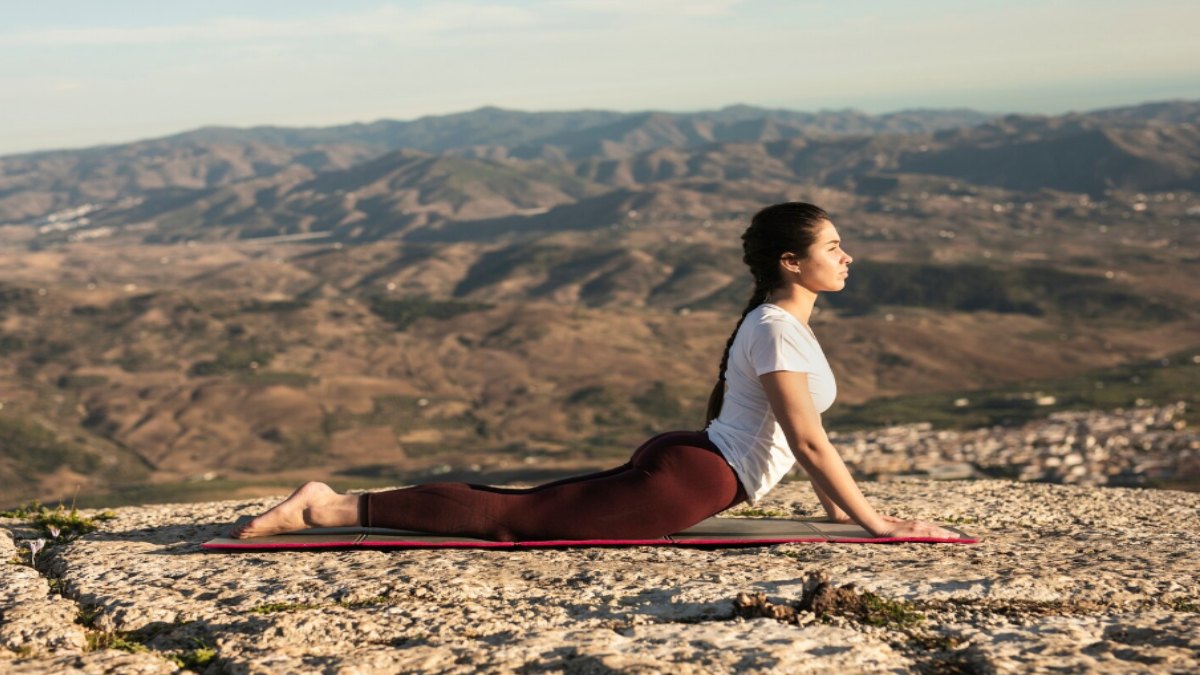
7. Bhujangasana (Cobra Pose)
Breathing: Inhale
Slide forward and lift your chest while keeping your elbows slightly bent. Relax your shoulders.
Benefits:
- Strengthens the spine
- Improves posture
- Opens the chest
- Relieves mild back stiffness
8. Parvatasana (Mountain Pose)
Breathing: Exhale
Lift your hips upward, creating an inverted "V" shape. Press your heels toward the floor.
Benefits:
- Stretches the back
- Strengthens arms
- Improves blood circulation
- Enhances flexibility
9. Ashwa Sanchalanasana (Opposite Leg Forward)
Breathing: Inhale
Bring your right foot forward between your hands while extending the left leg behind.
Benefits:
- Improves coordination
- Strengthens lower body
- Opens hips
10. Padahastasana (Standing Forward Bend)
Breathing: Exhale
Bring the back foot forward and bend over your legs.
Benefits:
- Improves flexibility
- Relieves tension
- Enhances digestion
11. Hasta Uttanasana (Raised Arms Pose)
Breathing: Inhale
Rise up with your arms extended overhead and gently arch backward.
Benefits:
- Expands the chest
- Strengthens back muscles
- Improves posture
12. Pranamasana (Prayer Pose)
Breathing: Exhale
Return to the starting position with palms joined in front of your chest.
Benefits:
- Restores balance
- Encourages mindfulness
- Completes one full round of Surya Namaskar
(Picture: Prayer position.)
Health Benefits of Surya Namaskar
Practicing Surya Namaskar daily offers numerous physical and mental health benefits, including:
- Improves flexibility and joint mobility
- Strengthens muscles throughout the body
- Enhances cardiovascular fitness
- Supports healthy digestion
- Helps maintain a healthy weight when combined with a balanced diet
- Boosts blood circulation
- Increases energy levels
- Reduces stress and anxiety
- Improves focus and mental clarity
- Encourages better posture
Tips for Beginners
- Practice on an empty stomach, preferably in the morning
- Start with 3–5 rounds and gradually increase as your strength and stamina improve
- Coordinate each movement with your breath
- Avoid rushing through the sequence
- If you have chronic back pain, high blood pressure, heart conditions, or are pregnant, consult a qualified healthcare professional or certified yoga instructor before starting




Comments 0