
The clear, healthy skin is very much a sign of good skincare practices and a healthy lifestyle. There’s no overnight solution to beautiful skin; it is not to be wished upon at night but the care, proper nutrition, and natural remedies are there to be taken daily and long-term care, and the way to make flawless skin and healthy skin is continuous and long-term care of people with good skin is the way to be treated at the same time. Genetics, hormones, stress, diet, sun exposure, and skincare habits are all linked to skin health.
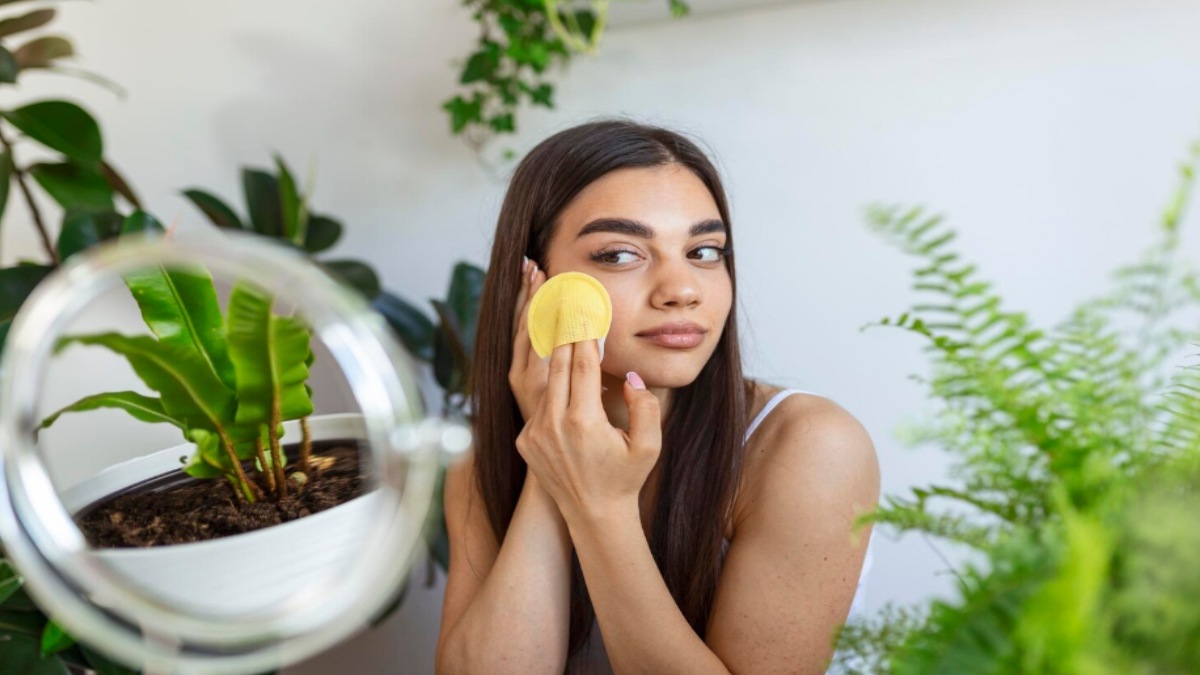
Natural skincare is about protecting your skin’s protective barrier as opposed to cosmetic products. Natural skincare may also help keep your skin healthy and glowy; evidence-based skincare and healthy daily habits can be linked with evidence-based skincare and healthy living habits to maintain a radiant and fresh look.
What are some practical ways to achieve clear skin naturally
1. Cleanse your face
Washing your face twice a day is a good treatment for dirt, excess oil, sweat, and environmental pollutants that can clog pores.
Related Articles
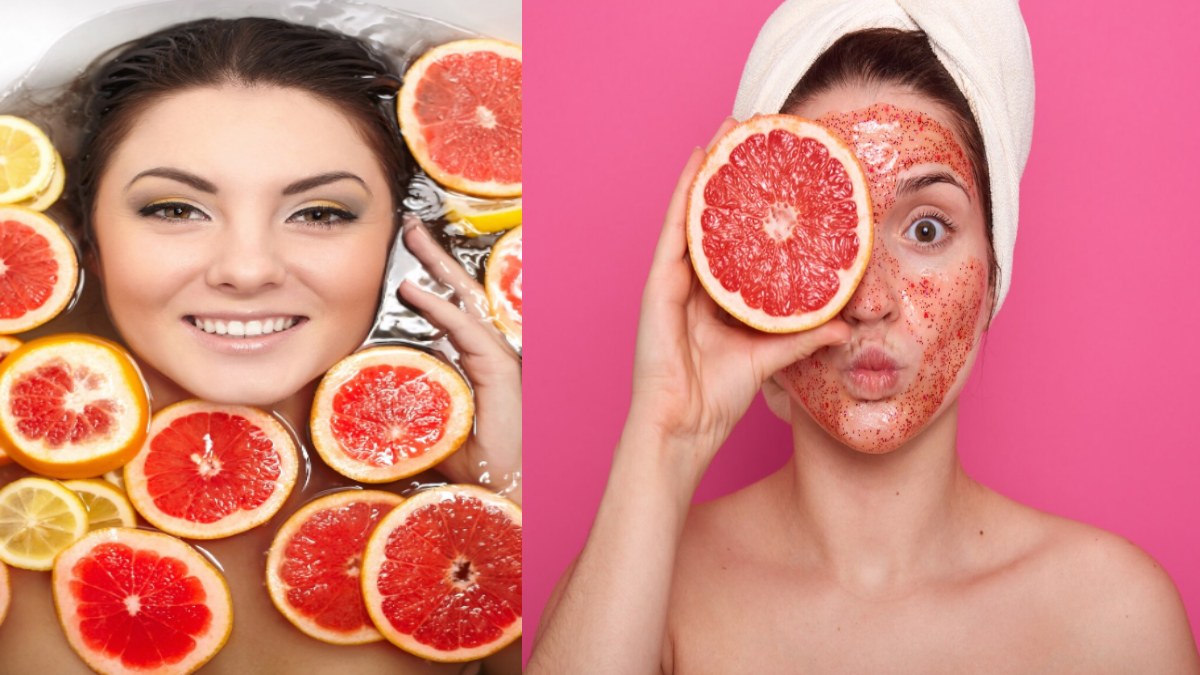
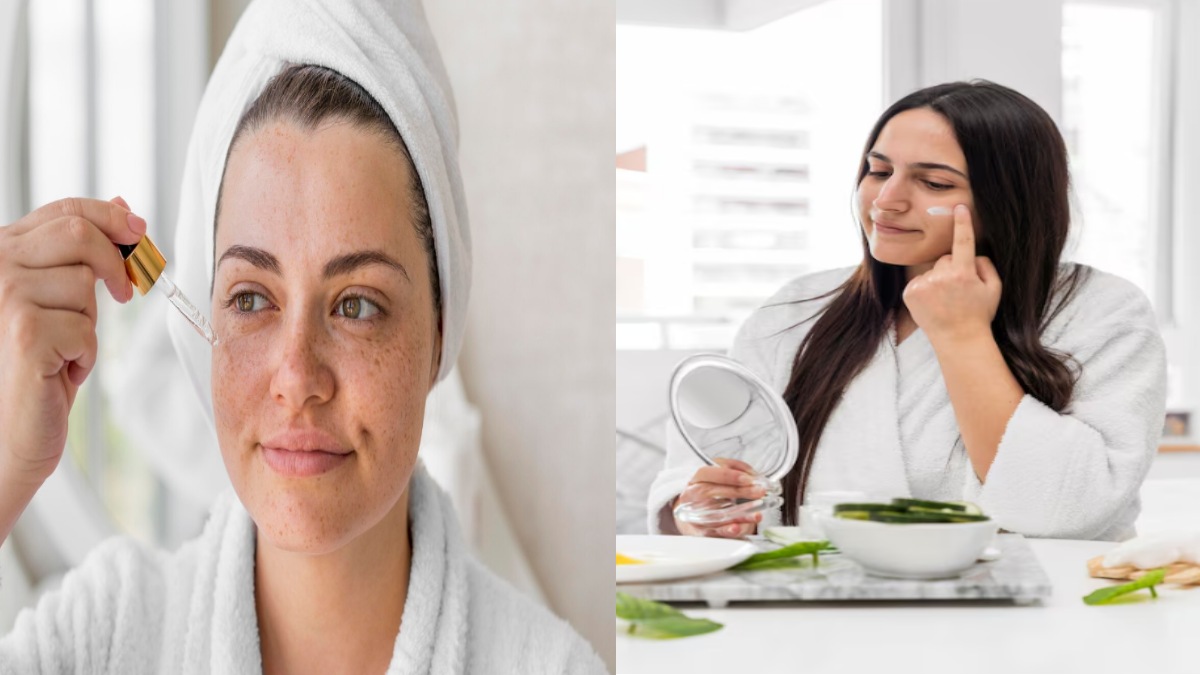
Pursue a gentle cleanser that is suitable for your skin type and do not over-scrub with a harsh cleanser as it can irritate the skin and make breakouts worse. After cleansing, pat your face dry with a clean towel instead of rubbing it.
2. Stay hydrated
Water is important for healthy skin. Hydrated skin is very healthy. It is important for all body functions and for looking fresh.
You should drink enough fluids throughout the day, especially in hot weather or while you are physically active.
Related Articles


3. Eat a skin-friendly diet
Healthy skin is built from the inside out according to a balanced diet of vitamins, minerals, and antioxidants.
Include foods such as:
- Fresh fruits
- Leafy green vegetables
- Whole grains
- Nuts and seeds
- Lean proteins
- Fatty fish rich in omega-3 fatty acids
Limiting highly processed foods and sugar-sweetened beverages may be good for health and may decrease acne flare-ups for some people.
4. Get enough sleep
Your skin repairs itself while you sleep. Adults generally benefit from 7–9 hours of quality sleep each night.
Poor sleep can cause stress and may affect skin appearance, so good sleep is something that you can work on as part of a good skincare routine.
5. Manage stress
Stress can affect hormones that affect the skin and can cause acne in some individuals.
Healthy stress-management techniques include:
- Meditation
- Deep breathing exercises
- Walking outdoors
- Reading
- Spending time with loved ones
Reducing stress benefits both your skin and overall well-being.
6. Use natural face masks carefully
Some natural ingredients might help soothe the skin, but there is little scientific evidence.
Popular options include:
- Honey: A natural humectant that helps keep the skin moist
- Aloe vera gel: Good for minor skin irritation
- Oatmeal: Can calm dry or sensitive skin
Always perform a patch test before applying any home remedy to your face, as natural ingredients can still cause allergic reactions.
7. Protect your skin from the sun
Daily sun protection is one of the best ways to keep healthy skin and reduce premature aging.
Use a broad-spectrum sunscreen with the right SPF, wear protective clothing, and seek shade during peak sunlight hours.
8. Do not touch your face
Your hands can transfer bacteria, dirt, and oil to your face, increasing the risk of clogged pores and irritation.
Avoid picking or squeezing pimples, as this may worsen inflammation and increase the risk of scarring.
9. Exercise regularly
Regular physical activity enhances blood circulation, which helps deliver oxygen and nutrients throughout the body.
After exercising, wash your face to remove sweat and reduce the risk of clogged pores.
10. Create a simple skincare routine.
A consistent skincare routine is often more effective than using many products.
A basic routine may include:
- Gentle cleanser
- Moisturizer suitable for your skin type
- Broad-spectrum sunscreen during the day
If you have acne-prone skin, a dermatologist may recommend evidence-based ingredients like salicylic acid, benzoyl peroxide, or topical retinoids based on your individual needs.
Avoid common skincare mistakes
For healthier skin, avoid these habits:
- Overwashing your face
- Using harsh scrubs too often
- Sleeping with makeup on
- Skipping moisturizer
- Trying too many new products at once
- Ignoring sunscreen
Consistency is more important than using expensive products.
When to see a dermatologist
Natural skincare may not be enough for everyone. Consult a dermatologist if you experience:
- Severe or painful acne
- Acne that leaves scars
- Persistent rashes
- Sudden changes in moles or skin lesions
- Skin conditions that do not improve with routine care
Professional evaluation can help identify the underlying cause and provide appropriate treatment.
Getting clear skin naturally is a gradual process that combines healthy habits, gentle skincare, balanced nutrition, adequate sleep, hydration, and stress management. While natural remedies can complement your skincare routine, they should not replace medically proven treatments for persistent or severe skin conditions.
With patience, consistency, and the right skincare practices, you can support your skin's natural health and enjoy a clearer, brighter complexion over time.




Comments 0