
Beauty has fascinated people for centuries. From glowing skin and healthy hair to personal style and natural features, people have different ideas about what makes someone beautiful. But is beauty simply about physical appearance, or does it involve confidence, personality and the way we care for ourselves?

Beauty philosophy takes on these questions and helps us understand why beauty means different things to different people. In the present world of social media and beauty trends that shape the way we live our lives, knowing the deeper meaning of beauty can help us develop a healthier relationship with our appearance.
What is the philosophy of beauty?
The philosophy of beauty is to focus on what makes something attractive, pleasing or meaningful. It looks at who does beauty and why certain features, colours, styles and expressions appeal to them.
Related Articles

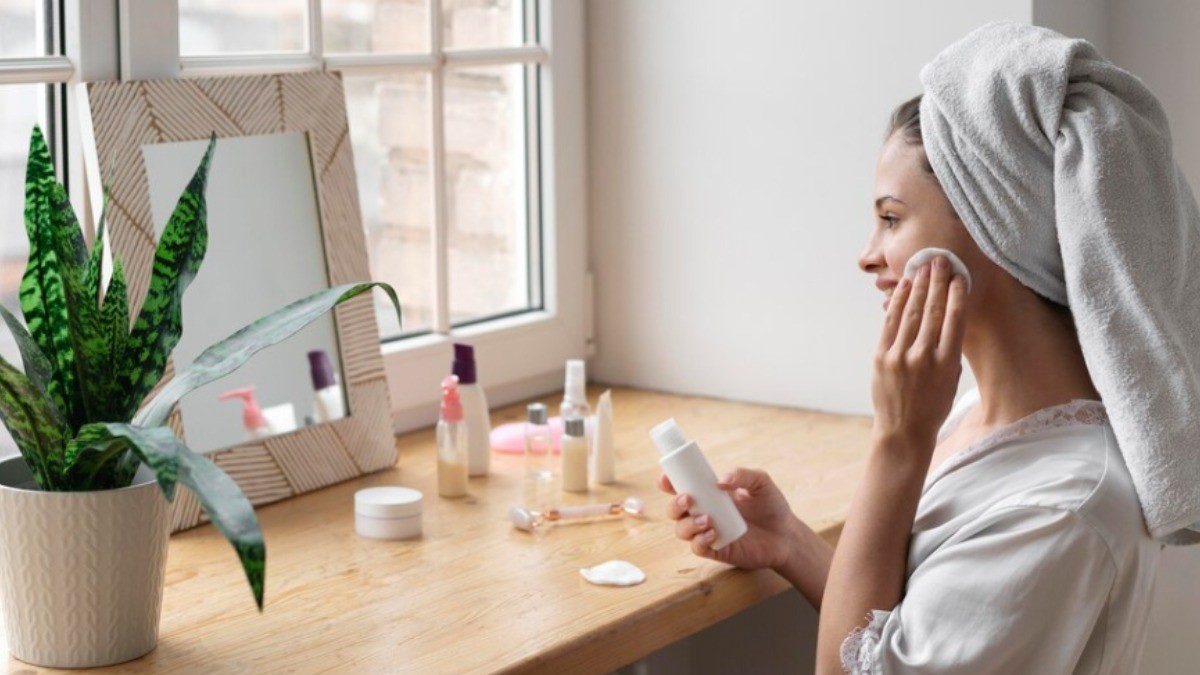
In the beauty industry, these concepts will be found in skincare, makeup, hairstyles and fashion. In our culture and from each generation, beauty standards change.
This is why there is no single definition of beauty that everyone should have.
Is beauty only about physical appearance?
Beauty is what is seen as physical appearance is one of the ways people understand beauty. Healthy skin, well-maintained hair and self-care and personal grooming can make you feel good about yourself, too. But beauty can’t be reduced to facial features, body shape or complexion; beauty cannot be reduced to what we see as beauty.
Related Articles

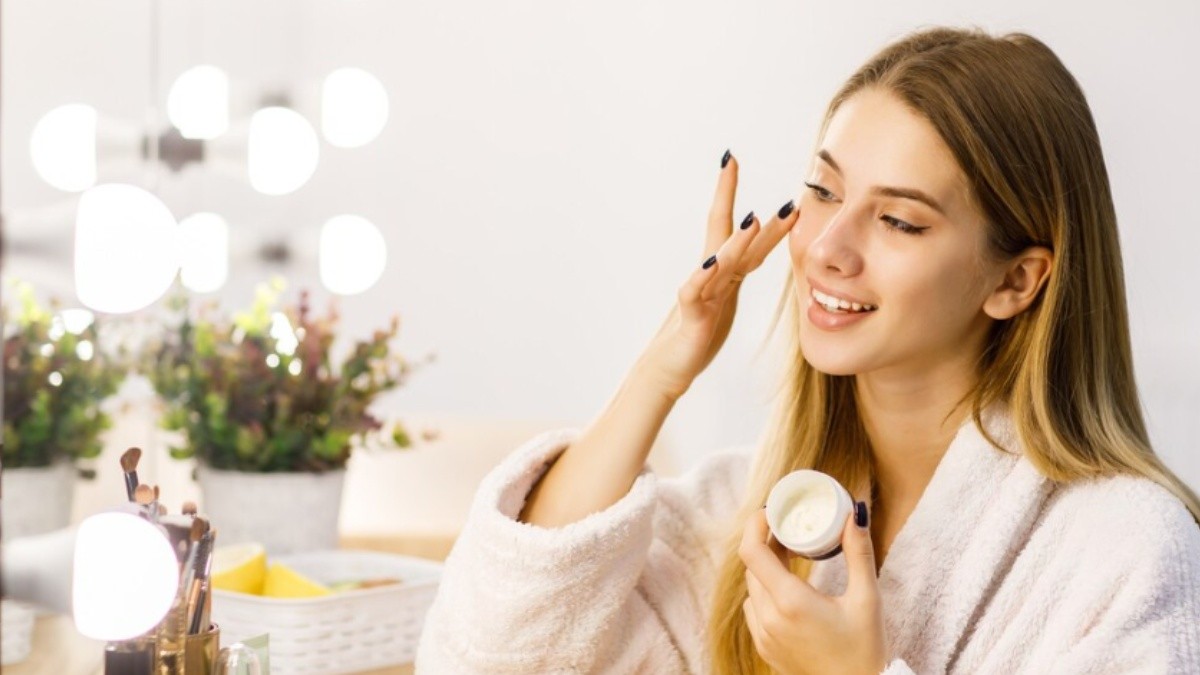
Expressions, posture, confidence and individualism also affect perception. A warm smile, a comfortable style or how someone carries themselves can make one appear.
Beauty is a product of the visible and the individual, and that is why we are beautiful.
Beauty Standards Change Over Time.
Beauty standards are not fixed. There have been so many changes in hairstyles, makeup, clothing and skincare over the years.
Pale skin was considered cool in the past, and contemporary cultures and generations have celebrated different skin tones and looks. There have also been changes in makeup trends from bold, dramatic to natural.
Social media platforms now offer such a wide range of beauty trends. And while it can inspire creativity, it can also create pressure to depict unrealistic, and even heavily edited, images.
Beauty standards are changing, but we can make our own choices as opposed to being affected by those trends, I think.
What can we learn from philosophers about beauty?
Plato, the ancient Greek philosopher, linked physical beauty with the idea of a deeper, more perfect beauty. His philosophy makes people look outside of what we’re looking at.
Aristotle discussed beauty as order, proportion and harmony. These ideas can be linked to beauty practices such as mixing makeup, choosing complementary colours and creating a hairstyle that suits an individual’s features.
As Immanuel Kant discussed in his work, people make judgments about beauty and how personal reactions to beauty affect those judgments.
Their ideas remind us that beauty is about perception, interpretation and individual experience and not a common standard.
In a healthy relationship with beauty.
Beauty is a good process if you know your aesthetic preferences. Skincare is to keep skin healthy and makeup, hairstyles and clothes are to show personality.
And no product or routine can necessarily be perfect. Skin texture, facial features and natural differences are part of being human.
Rather than comparing yourself constantly with celebrities or online images, choose beauty practices that make you feel comfortable and confident.
In conclusion.
Beauty philosophy is about more than an easy choice of trends or a certain look. Skincare, grooming, makeup and personal style are tools of expression, but they do not determine your worth.
Real beauty, in my opinion, is one of the best aspects of the human form, whether you have an idealized idea of beauty or not, to be truly who you are.




Comments 0