
Beauty products can lead to waste with their packaging and disposable tools and products bought but rarely used. You can’t replace all you own in a short period of time. Small changes can curb waste and help you take a more conscious approach to beauty.
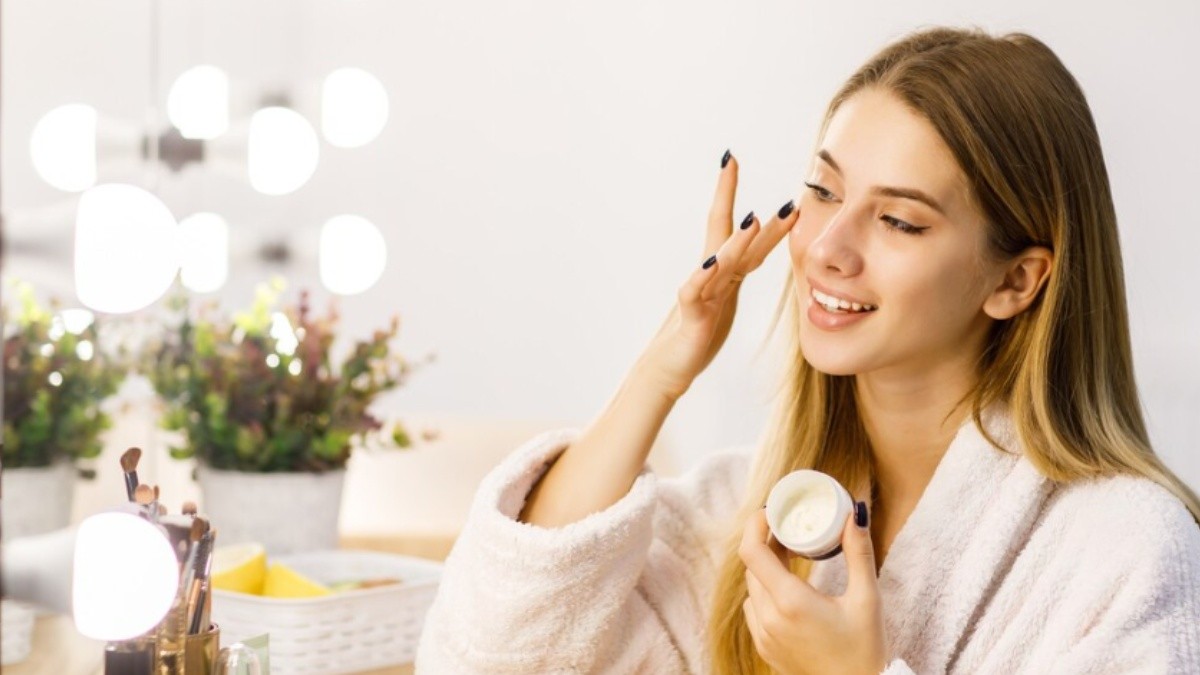
The most sustainable routine is typically one that uses what you already have efficiently and avoids unnecessary purchases.
1. Finish Products Before Buying New Ones.
One of the best ways to reduce beauty waste is to use products fully before buying replacements. If you have more than one similar moisturiser, lipstick, or cleanser, products may expire before they are finished.
Related Articles


Have an inventory of your beauty shelf and plan on using older products first.
2. Choose Refillable Packaging
When purchasing new skincare, haircare, or makeup, look for brands that offer refill systems or packaging that can be reused. Refillable containers can reduce the amount of packaging over time.
However, check how the refill system works before purchasing. A refill is useful only if it genuinely reduces unnecessary packaging.
Related Articles


3. Reduce Single-Use Beauty Products.
Cotton pads, makeup wipes, and other disposable products can quickly add to household waste. Reusable alternatives where feasible are a good idea.
For example, washable makeup-removing cloths can replace some disposable cotton products. Washable tools can also be reused repeatedly instead of being thrown away after a single use.
4. Be Careful With Beauty Packaging
Packaging is important to a product’s environmental impact. When choosing between similar products, consider options with less packaging, recyclable materials, or reusable containers.
Do not automatically assume that a product is sustainable simply because its packaging is labelled ‘natural’ or ‘green.’ Get clear information on the materials and disposal instructions.
5. Buy Less, But Choose Carefully
Sustainable beauty is about changing shopping habits. Before you buy a new product, question whether you really need it.
A simple 24-hour waiting rule can help with impulse purchases. If you still need the product after a day, research its ingredients, packaging, durability, and suitability before buying.
6. Use Multi-Purpose Products.
Multi-use beauty products can help reduce the number of items in your routine. A product intended for multiple appropriate uses will reduce the number of containers and less clutter.
For example, based on the formulation and manufacturer's directions, some makeup can be applied on both cheeks and lips.
7. Choose Quality Over Quantity.
Buying inexpensive products often leads to more waste than investing in a durable product that you will use for a long time.
Look for beauty tools that can be cleaned and reused, such as washable makeup brushes, reusable applicators, and durable hair accessories.
8. Dispose of Products Responsibly.
Don’t just throw every empty beauty container into the same bin. Check local recycling rules because different materials may require different disposal methods.
Many brands also offer take-back or recycling programmes for empty packaging.
9. Simplify Your Routine.
A sustainable beauty routine does not need to have dozens of products. Focus on the essentials that genuinely work for you.
A simpler routine can reduce consumption, save money, and make it easier to finish products before they expire.
Small Changes Can Make a Difference.
Making your beauty routine more sustainable is a gradual process. Start with what you already have, reduce unnecessary purchases, use reusable products, and check packaging before buying something new.
Instead of aiming for a perfect zero-waste routine, focus on making thoughtful purchases, using products fully, and creating less waste.




Comments 0