
Traditional Japanese Breakfast
Traditional Japanese Breakfast is a flavorful Chinese Chinese Recipes dish prepared with quality ingredients. Cook the rice according to the instructions.
-
Easy Prep ≤ 4 steps · Fast & beginner friendly
-
Moderate 5–8 steps · Everyday home cooking
-
Expert ≥ 9 steps · Multi-step advanced prep
Ingredients Required
Tap or click any ingredient to check off during cookingStep-by-Step Cooking Method
Follow numbered steps for authentic taste and perfectionCook the rice according to the instructions.
Put the instant dashi stock in a pan with the boiling water.
Add the potato and simmer over medium heat for about six minutes, or until the potato is cooked.
Ladle some soup from the pan into a bowl and dissolve the miso in it.
Gradually return the miso mixture to the soup.
Stir the soup gently but don't let it come to the boil once you've added the miso.
Turn off the heat and add the chopped spring onion.
Serve hot in small bowls.
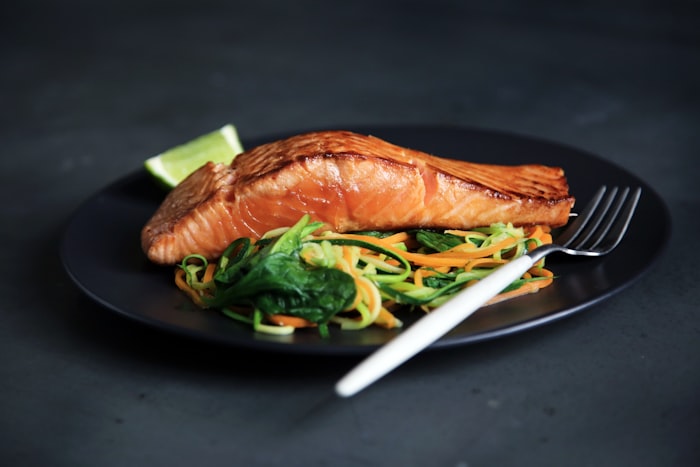
Mix the ginger, spring onion and soy sauce together and pour over the salmon fillets.
Leave them to stand at room temperature for 15 minutes.
Pour a little boiling water into the grill pan and place the fish on the grill rack above the water (this keeps it moist while it grills).
Grill the fish under medium to high heat for about 5-6 minutes on each side, taking care not to overcook it.
Combine the eggs, sugar, soy sauce and bonito flakes (or instant dashi), if using, and mix the ingredients thoroughly.
Heat a little vegetable oil in a small, non-stick frying pan over medium to high heat and add the egg mixture.
Agitate the eggs, using a wooden spoon, so the texture of the omelette remains fluffy.
When the eggs are half-cooked, fold the omelette in half, to make a semi-circle, then fold the curving section inwards to form a rectangle, and then fold the ends inwards until you have what looks like a little square package.
This creates the distinctive layered effect, called tamagoyaki, characteristic of a Japanese omelette.
Flip the "package" over and cook for a further two minutes.
Cut into quarters.
Japanese etiquette decrees that you place the bowl of rice on your left and the bowl of miso soup on your right.
Serve the fish on a separate plate, the pickles in a small bowl, and the omelette on another small plate.
Now test your hungover skills with chopsticks.
Chef's Secret Tips & Serving Pairings
- Serve hot and fresh as a wholesome non-vegetarian meal.
- Pairs excellently with steamed rice, flatbreads, or fresh salad garnish.