
The 1970s were one of the most transformative decades in modern fashion. Rather than following one dominant aesthetic, the decade witnessed an explosion of different styles, from glamorous disco clothing and dramatic platform shoes to earthy hippie looks, punk-inspired outfits and practical everyday denim. At the heart of many of these changes was a growing rejection of traditional ideas about what people were expected to wear. This attitude became known as anti-fashion.
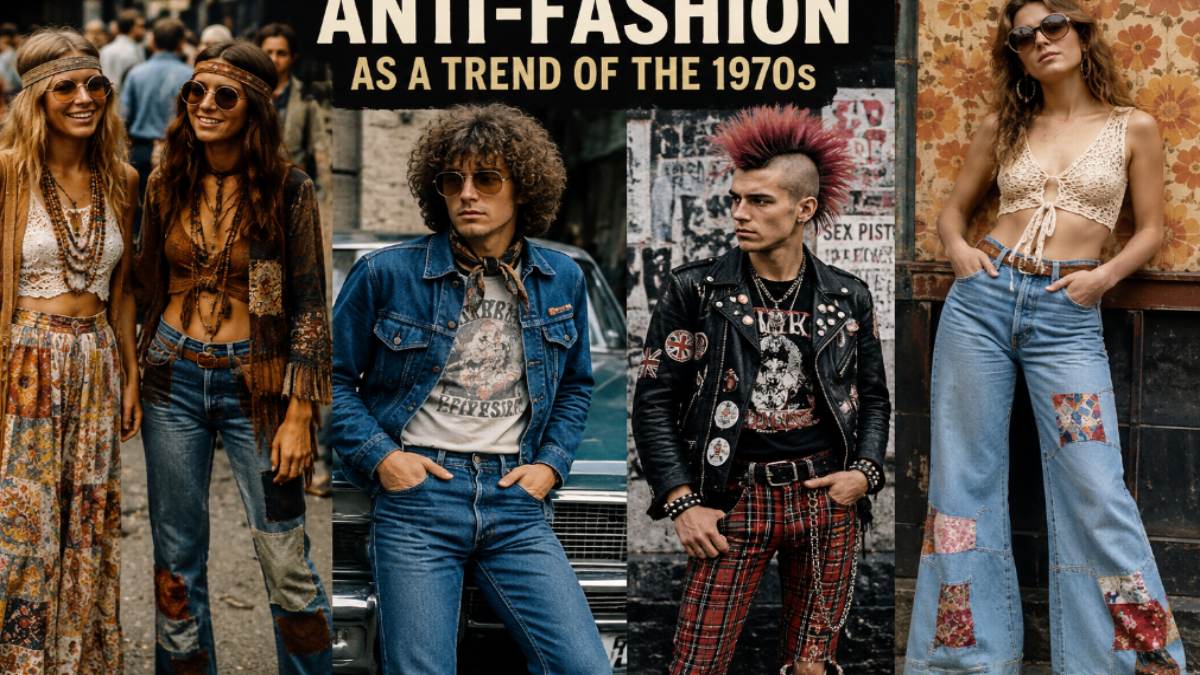
Anti-fashion was less about creating a specific uniform and more about questioning fashion itself. It challenged established ideas of beauty, luxury, respectability and conformity. Instead of wearing clothes simply because designers, magazines or social conventions declared them fashionable, many young people began using clothing as a way to communicate independence, identity and social attitudes.
What Did Anti-Fashion Mean?
Anti-fashion can be understood as a deliberate departure from mainstream clothing trends. Its followers often rejected polished, coordinated and expensive looks in favour of clothing that appeared personal, unconventional or even deliberately imperfect.
Related Articles

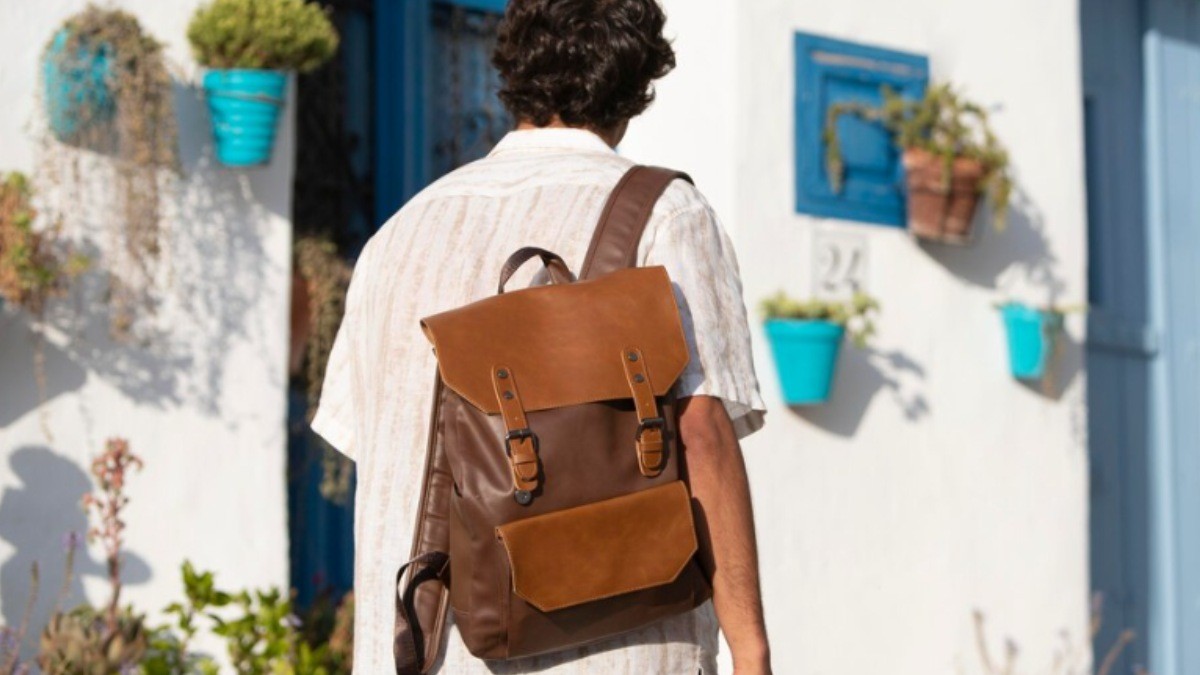
Second-hand garments, worn denim, military-inspired pieces, handmade accessories, patched clothing and customized garments became important expressions of individuality. A piece did not necessarily need to be expensive or designer-made to be stylish.
This approach also challenged the idea that fashion had to be dictated from the top down. People increasingly looked to music, youth culture, political movements and their own communities for inspiration.
The Influence of Hippie Culture
The counterculture movement of the late 1960s continued to influence fashion throughout the 1970s. Hippie-inspired dressing embraced natural fabrics, loose silhouettes, embroidery, flowing skirts, ethnic-inspired patterns, handmade jewellery and vintage clothing.
Related Articles
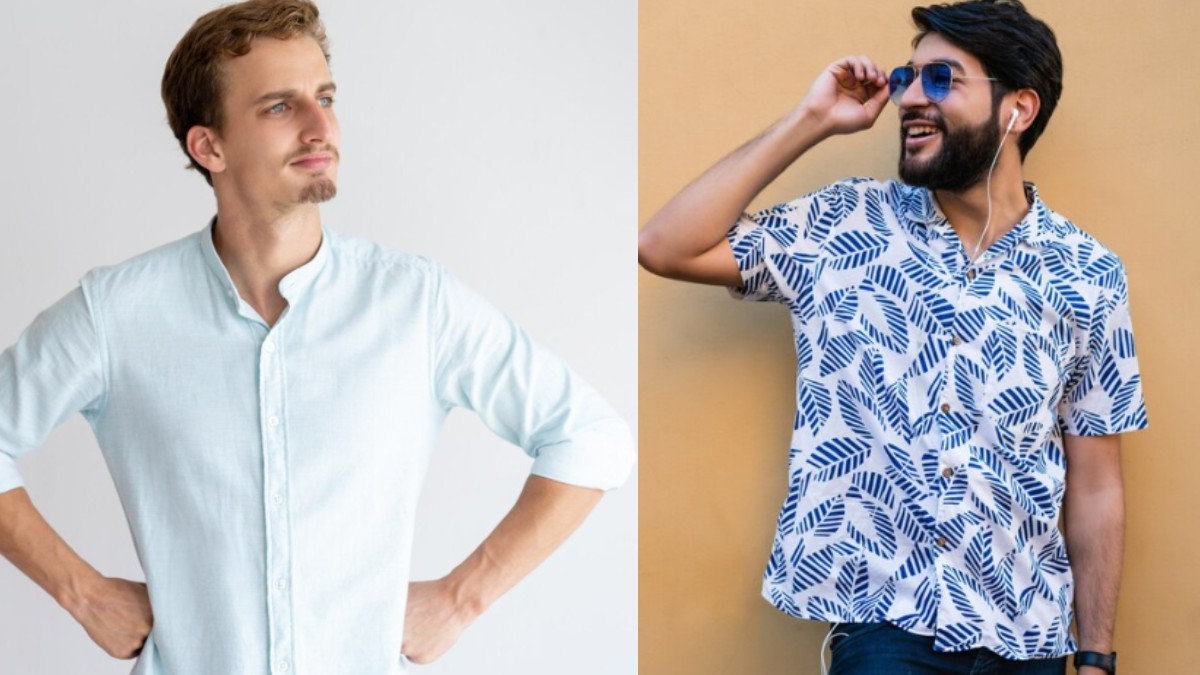

Rather than pursuing conventional elegance, these looks often celebrated comfort, freedom and individuality. Clothes could be mixed and matched without worrying about traditional rules.
The emphasis on handcrafted and second-hand pieces also aligned with the broader rejection of mass-produced consumer culture that was important to parts of the counterculture.
Punk Takes Rebellion Further
By the middle and later years of the decade, punk brought an even more confrontational interpretation of anti-fashion. Emerging strongly from the music scenes of cities such as London and New York, punk style deliberately disrupted conventional ideas of what clothing should look like.
Leather jackets, ripped T-shirts, safety pins, chains, distressed fabrics and provocative graphics became associated with the movement. Clothing was frequently customized rather than purchased as a complete look.
Punk's DIY approach was particularly significant. A plain garment could be cut, painted, pinned or altered to express a personal message. The result was clothing that often looked intentionally rough, aggressive or unfinished.
Denim Becomes an Everyday Statement
Denim was another important element of the decade's move toward relaxed and individualistic dressing. Jeans had already become associated with youth culture, but the 1970s expanded their role in everyday fashion.
Flared jeans, patched denim jackets and customized jeans allowed people to create outfits that felt personal rather than formal. Denim could be dressed up or down and worn across different social groups.
Its durability and accessibility also made it compatible with the anti-fashion attitude: clothing did not need to look pristine or luxurious to have character.
Fashion and Social Change
The rise of anti-fashion cannot be separated from the social changes of the 1970s. Young people were questioning traditional authority and established gender roles, while music and popular culture increasingly provided alternative forms of identity.
Women's fashion, in particular, became more diverse. Women increasingly embraced trousers, jumpsuits, relaxed silhouettes and styles that challenged traditional expectations of femininity.
At the same time, men's fashion also moved beyond conventional tailoring. Long hair, colourful shirts, flared trousers, platform footwear and unconventional combinations challenged the idea that men's clothing needed to remain conservative.
From Rebellion to the Mainstream
One of the fascinating contradictions of anti-fashion is that rebellious styles can eventually become fashionable themselves. Clothing that initially represented resistance could be adopted by designers, retailers and mainstream consumers.
Elements associated with punk, hippie culture, denim and DIY dressing have repeatedly returned to fashion collections over the decades. What was once considered unconventional can eventually become a recognizable vintage aesthetic.
This process demonstrates how fashion constantly absorbs influences from the streets and from subcultures. Once a rebellious style becomes commercially popular, new groups often search for another way to distinguish themselves.
Why 1970s Anti-Fashion Still Matters
The anti-fashion spirit of the 1970s continues to influence contemporary style. Today's interest in thrift shopping, vintage clothing, upcycling, customization and gender-fluid dressing reflects many of the same ideas: clothing can be a tool for self-expression rather than simply a way to follow trends.
Social media has also made personal styling more visible than ever. People can create their own fashion identities without relying entirely on traditional fashion institutions.
The legacy of 1970s anti-fashion is therefore not simply a collection of vintage clothes. It is an attitude—the belief that style can come from individuality, creativity and the willingness to challenge expectations.
The decade showed that fashion does not always move forward through polished designer collections. Sometimes the most influential trends emerge when people decide to break the rules, reuse what they already own and dress according to their own identity. In that sense, the anti-fashion movement of the 1970s helped transform clothing from a symbol of conformity into a powerful form of personal expression.




Comments 0