
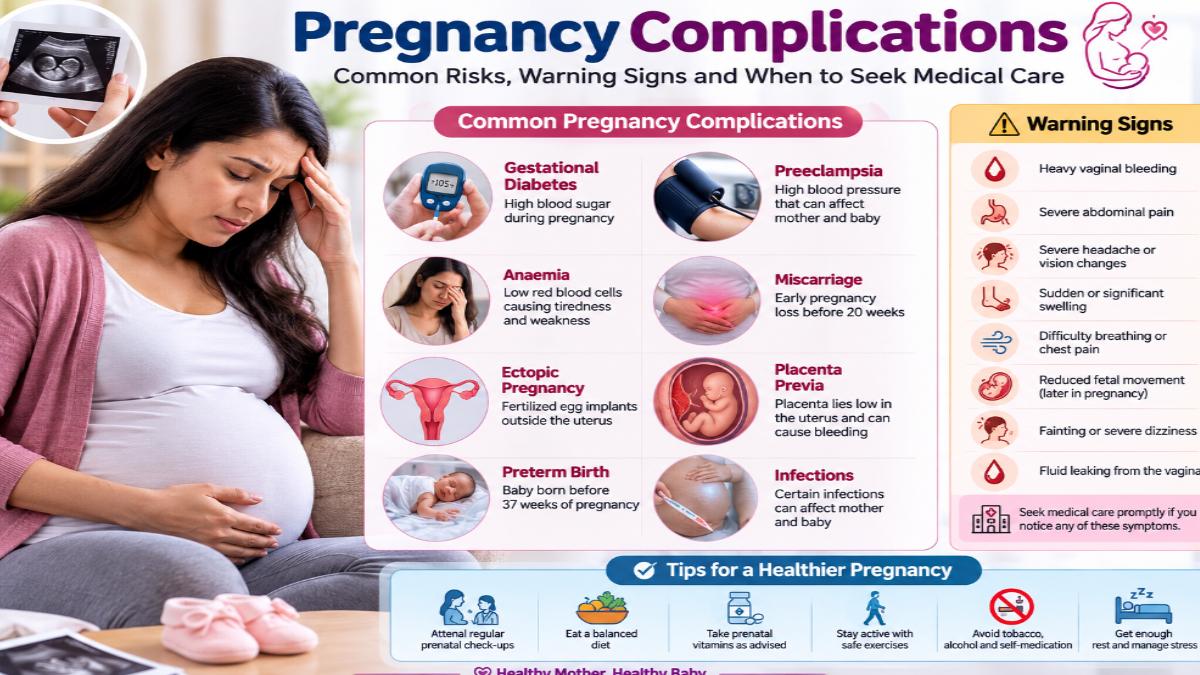
Pregnancy is a period of life in which a woman’s body undergoes many physical and hormonal changes. Although many women are pregnant, certain medical conditions can develop in this time period and need to be treated. Awareness of common pregnancy-related diseases, warning signs and regular check-ups can help protect both the mother and the developing baby.

1. Anaemia during pregnancy.
Anaemia is common in pregnancy and usually caused by iron deficiency. The body needs additional iron to produce enough haemoglobin to make sufficient haemoglobin for the mother and the developing baby.
Common symptoms include tiredness, weakness, dizziness, pale skin and shortness of breath. Iron-rich foods such as lentils, beans, green leafy vegetables and iron-fortified foods may help. Blood test results may also be used by doctors to determine iron supplements.
Related Articles
2. Gestational Diabetes.
Gestational diabetes occurs when blood sugar levels become too high during pregnancy. It may not have any symptoms so routine screening is key.
If not well managed, it can cause complications for the mother and baby. Blood sugar monitoring, a healthy diet, suitable physical activity, and medication if needed are recommended by the doctor.
Pregnant women should attend recommended diabetes screening appointments, particularly in the middle months of pregnancy.
Related Articles

3. High blood pressure and pre-eclampsia.
High blood pressure during pregnancy requires careful monitoring. Pre-eclampsia is a potentially serious condition, usually diagnosed after 20 weeks of pregnancy and can affect the mother’s organs and the baby’s growth.
Warning signs include a severe or persistent headache, blurred vision, pain in the upper abdomen and sudden swelling of the face or hands. Some women may not show any obvious symptoms.
Blood pressure checks and antenatal visits are required and should be regular. If symptoms are very severe, they should be treated immediately.
4. Urinary Tract Infections (UTIs).
Urinary tract infections may occur during pregnancy and can cause complications when left untreated. Symptoms may include burning or pain while urinating, frequent urination, lower abdominal discomfort or blood in the urine.
Some infections may not develop noticeable symptoms, so urine testing is part of prenatal care. Call a doctor if you suspect an infection and never take antibiotics without medical advice.
5. Severe Nausea and vomiting.
Morning sickness remains common during early pregnancy. But repeated and severe vomiting could result in dehydration, weight loss, and other complications. This serious form is called hyperemesis gravidarum.
If you cannot keep fluids down, feel weak, or notice signs of dehydration, seek medical advice. Depending on the severity of the condition, treatment may include medication and fluids.
6. Infections during pregnancy.
Some infections, including influenza, foodborne infections and some sexually transmitted infections, can affect pregnancy and the developing baby.
Wash your hands frequently, eat well-prepared food, follow vaccination advice and tell your doctor of any symptoms. Avoid unpasteurised dairy products and foods that may carry a higher risk of infection.
How to stay healthy during pregnancy.
Attend antenatal appointments regularly, eat a balanced diet, drink enough water and take prescribed supplements. Follow your doctor's advice about physical activity, vaccinations and screening tests. Avoid alcohol, tobacco and unapproved medicines or herbal remedies.
Seek urgent medical care for vaginal bleeding, leaking fluid, severe abdominal pain, difficulty breathing, severe headaches with vision changes or reduced baby movements when movements are normally felt.
Conclusion.
Anaemia, gestational diabetes, high blood pressure, pre-eclampsia, urinary tract infections and severe vomiting are among the health problems that can occur during pregnancy. Early detection and appropriate treatment can reduce the risk of serious complications.
Every pregnancy is different, so regular medical care and prompt attention to unusual symptoms are crucial. This article provides general health information and does not replace the recommendations made by a qualified healthcare professional.




Comments 0