
Pregnancy is a major physical and emotional transition, and while many pregnancies progress normally, complications can sometimes develop. Some pregnancy complications are mild and manageable, while others require close monitoring or urgent medical treatment. Understanding potential warning signs can help expectant mothers seek care promptly when something does not feel right.

Regular prenatal care is one of the most important ways to monitor the health of both the mother and developing baby. Doctors and other qualified maternity-care professionals can identify certain problems through routine examinations, blood pressure checks, blood tests, ultrasound scans and other assessments.
What Are Pregnancy Complications
A pregnancy complication is a health problem that develops during pregnancy or is associated with pregnancy. Complications can affect the mother, the fetus, or both.
Related Articles
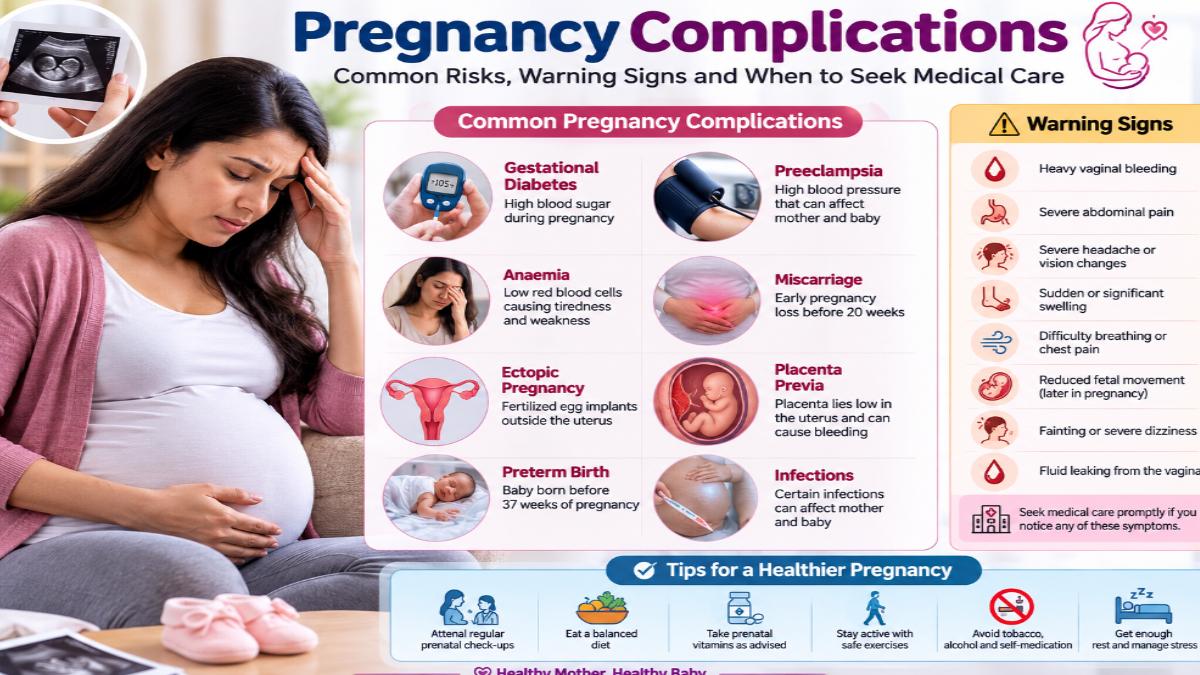

Some conditions occur because of changes caused by pregnancy, while others may involve an existing health condition that becomes more difficult to manage during pregnancy. Risk varies from person to person, and having a risk factor does not necessarily mean a complication will occur.
Common Pregnancy Complications
Gestational diabetes is a form of diabetes diagnosed during pregnancy. Hormonal changes can affect how the body uses insulin, leading to elevated blood glucose levels. It may not cause obvious symptoms, which is why screening during pregnancy is important. When present, it can usually be managed through dietary changes, physical activity, blood-glucose monitoring and medication when necessary.
High blood pressure disorders are another important concern. Some women develop hypertension during pregnancy, while others may develop preeclampsia, a condition involving high blood pressure and signs of problems affecting organs such as the liver or kidneys.
Related Articles
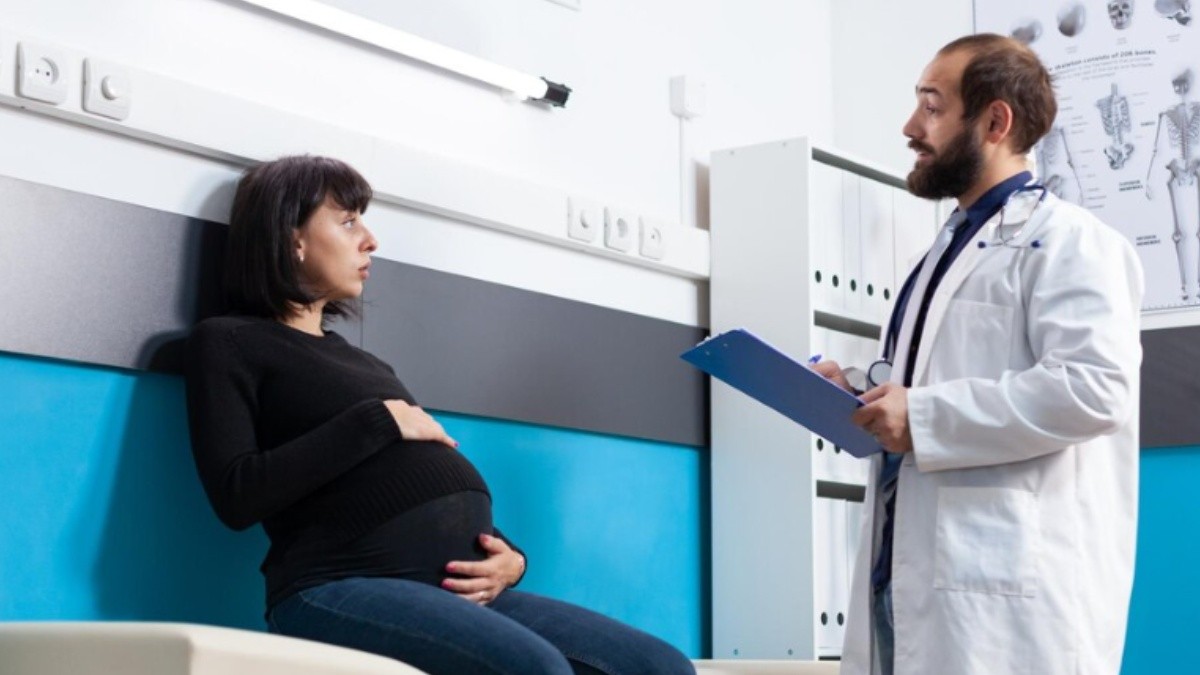

Anaemia, often related to iron deficiency, can also occur during pregnancy. It may cause tiredness, weakness, dizziness or shortness of breath. Prenatal screening helps identify anaemia so that appropriate treatment can be provided.
Preterm birth refers to birth occurring before 37 completed weeks of pregnancy. Certain infections, cervical or uterine problems, multiple pregnancy and other factors can increase the risk, although sometimes premature labour occurs without an obvious cause.
Preeclampsia: Warning Signs to Know
Preeclampsia can become serious if it is not recognized and managed. Warning symptoms may include severe or persistent headache, vision changes, significant swelling, pain in the upper abdomen, sudden shortness of breath or feeling very unwell.
Some women may have few or no obvious symptoms, making regular blood pressure and urine checks particularly important.
If symptoms suggestive of preeclampsia occur, medical assessment should not be delayed.
Bleeding During Pregnancy
Vaginal bleeding during pregnancy can have different causes depending on the stage of pregnancy. Some causes may be relatively minor, while others can be serious.
Heavy bleeding, bleeding accompanied by significant abdominal pain, dizziness, fainting or shoulder pain requires urgent medical assessment. Pregnant women should contact their maternity-care provider about unexpected bleeding rather than attempting to determine its cause themselves.
Severe Abdominal Pain
Mild discomfort can occur during pregnancy as the body changes. However, severe, persistent or worsening abdominal or pelvic pain should not be ignored.
Pain accompanied by bleeding, fever, fainting, contractions, fluid leakage or other concerning symptoms requires prompt medical evaluation.
Infections During Pregnancy
Certain infections can pose risks to the mother or developing baby. Urinary tract infections, sexually transmitted infections and some food- or water-borne infections may require specific management during pregnancy.
Pregnant women should discuss symptoms such as fever, painful urination, unusual discharge or persistent vomiting with their healthcare provider.
Good hand hygiene, safe food preparation, appropriate vaccinations and recommended prenatal screening can help reduce some infection-related risks.
Reduced Fetal Movement
Later in pregnancy, changes in the baby's usual movement pattern can sometimes be an important warning sign. If a pregnant woman notices that the baby is moving significantly less than usual or the normal pattern has changed, she should contact her maternity-care provider promptly for advice.
Do not rely on home remedies or wait until the next scheduled appointment when there is a concerning change in fetal movement.
Who May Need Extra Monitoring
Some pregnancies require additional monitoring because of factors such as pre-existing diabetes or hypertension, kidney or heart conditions, previous pregnancy complications, multiple pregnancy or other medical circumstances.
However, complications can also develop in people without known risk factors. This is why routine prenatal appointments remain important even when a pregnancy initially appears low risk.
How Can Pregnant Women Reduce Risks
Not every pregnancy complication can be prevented, but several healthy habits can support maternal and fetal wellbeing. Attend recommended prenatal appointments, take prescribed prenatal supplements, eat a balanced diet, stay physically active when medically appropriate and avoid alcohol, tobacco and recreational drugs.
Do not start medications, supplements or herbal products during pregnancy without discussing them with a qualified healthcare professional.
Managing existing medical conditions before and during pregnancy is also important.
When Should You Seek Urgent Medical Care
Seek urgent medical attention for symptoms such as heavy vaginal bleeding, severe abdominal pain, chest pain, severe breathing difficulty, fainting, seizures, severe headache with vision changes, sudden severe swelling or a significant reduction in fetal movement.
When in doubt, contacting your maternity-care team is safer than ignoring a potentially serious symptom.
Pregnancy complications can range from manageable conditions to medical emergencies. Regular prenatal care, awareness of warning signs and timely medical evaluation are key to protecting the health of both mother and baby.
Every pregnancy is different, and information available online cannot replace individualized medical advice. If you are pregnant and develop a new, severe or concerning symptom, contact your obstetrician, midwife or appropriate healthcare service promptly.




Comments 0