
Pregnancy is a major physical and emotional journey, and although many pregnancies progress without serious problems, complications can sometimes develop. A pregnancy complication may affect the mother, the baby, or both, and it can occur at any stage from early pregnancy through labour and the postpartum period.
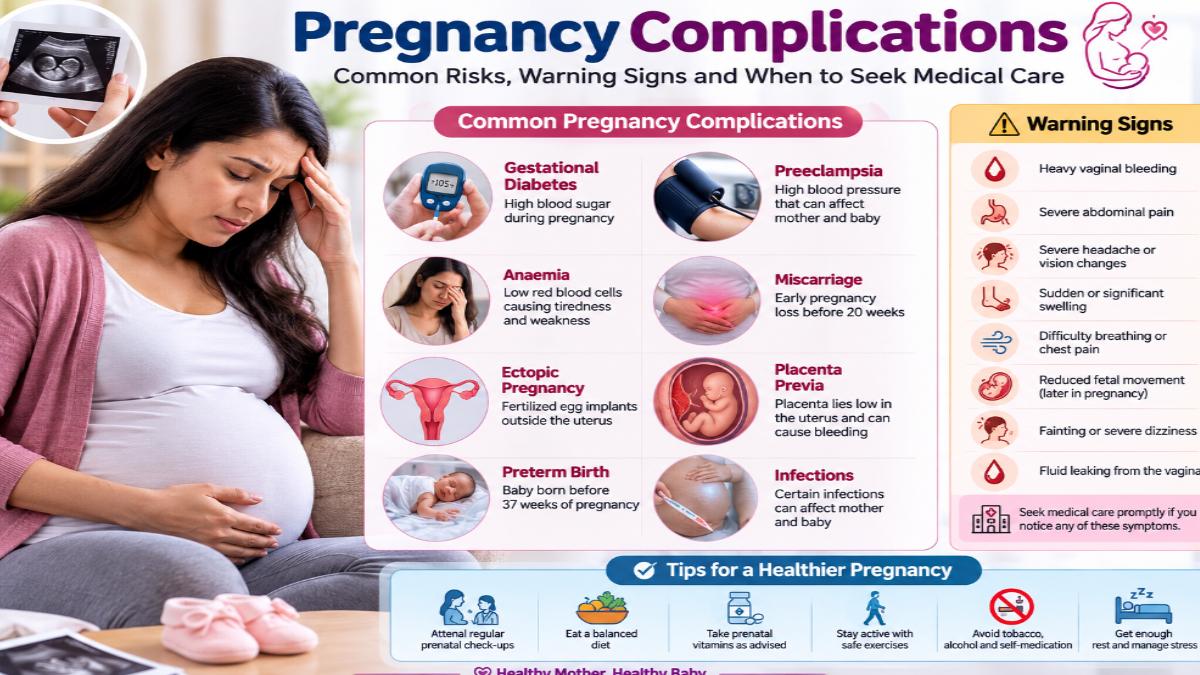
Understanding potential complications does not mean expecting something to go wrong. Instead, knowing the warning signs and attending regular prenatal appointments can help identify problems early and ensure appropriate medical care.
What Are Pregnancy Complications
Pregnancy complications are health conditions or problems that occur during pregnancy and may require monitoring, treatment or additional medical care. Some complications develop because of changes associated with pregnancy, while others may involve health conditions that existed before conception.
Related Articles
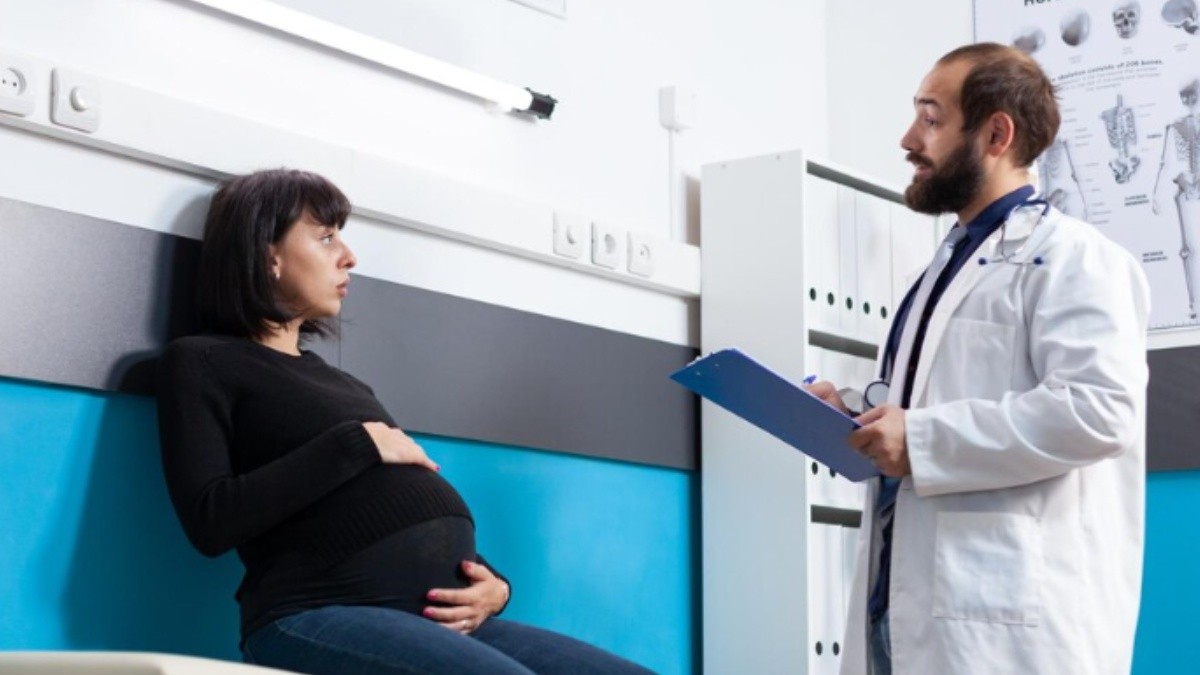

The risk of complications varies from person to person. Factors such as age, previous pregnancy history, multiple pregnancy, pre-existing medical conditions and certain lifestyle factors can influence individual risk.
1. Gestational Diabetes
Gestational diabetes occurs when blood glucose levels become elevated during pregnancy. It may not cause obvious symptoms, which is why routine screening is important.
When appropriately managed, many women with gestational diabetes have healthy pregnancies. Management may include dietary changes, physical activity appropriate for pregnancy and, when necessary, medication prescribed by a healthcare professional.
Related Articles

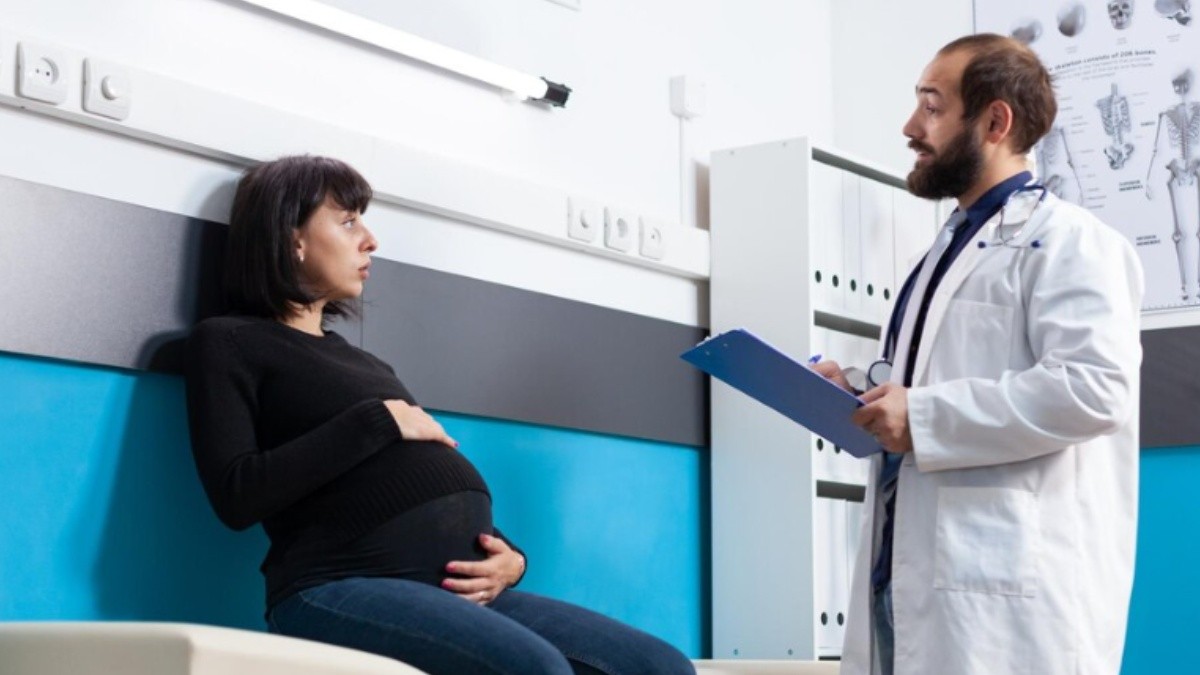
After pregnancy, blood sugar levels often return to normal, but having gestational diabetes can increase the mother's future risk of developing type 2 diabetes.
2. High Blood Pressure and Preeclampsia
High blood pressure during pregnancy requires medical attention because it can sometimes progress to more serious conditions.
Preeclampsia is a pregnancy complication involving high blood pressure and signs of organ involvement, often occurring after 20 weeks of pregnancy. It can affect the health of both mother and baby if not appropriately managed.
Severe headache, vision changes, significant swelling, severe pain in the upper abdomen or difficulty breathing can be warning signs requiring urgent medical assessment.
3. Anaemia
Anaemia, particularly iron-deficiency anaemia, is common during pregnancy because the body's demand for iron increases.
Some women may experience tiredness, weakness, dizziness or shortness of breath. Routine blood tests during prenatal care can help identify anaemia.
Healthcare professionals may recommend dietary changes or iron supplementation depending on the cause and severity.
4. Miscarriage
Miscarriage refers to pregnancy loss before the fetus can survive outside the uterus. It is relatively common, particularly during the first trimester, and often occurs because of chromosomal abnormalities that develop during early pregnancy.
Vaginal bleeding and abdominal or pelvic pain can occur with miscarriage, but these symptoms do not always mean pregnancy loss. Bleeding during pregnancy should be discussed with a healthcare professional so the cause can be assessed.
5. Ectopic Pregnancy
An ectopic pregnancy occurs when a fertilised egg implants outside the main cavity of the uterus, most commonly in a fallopian tube. It cannot develop normally and can become a medical emergency if the tube ruptures.
Symptoms may include abdominal or pelvic pain, vaginal bleeding, shoulder-tip pain, dizziness or fainting.
Severe pain, fainting or significant weakness during early pregnancy requires urgent medical attention.
6. Placental Problems
The placenta plays a vital role in providing oxygen and nutrients to the developing baby. Conditions involving the placenta can sometimes cause complications.
Placenta previa, for example, occurs when the placenta lies low in the uterus and may cover or be close to the cervix. It can cause painless vaginal bleeding, particularly later in pregnancy.
Other placental problems can affect blood flow or cause bleeding and require careful medical monitoring.
7. Preterm Birth
Preterm birth occurs when a baby is born before 37 completed weeks of pregnancy. Babies born prematurely may require specialised medical support because organs such as the lungs and brain are still developing.
Regular prenatal care can help healthcare professionals identify certain risk factors and monitor symptoms that could indicate early labour.
Regular contractions, pelvic pressure, lower back pain, changes in vaginal discharge or fluid leakage before 37 weeks should be reported promptly.
8. Infections During Pregnancy
Certain infections can affect pregnancy and the developing baby. Some infections may cause few or no symptoms, while others can lead to significant illness.
Prenatal screening, recommended vaccinations and good hygiene can help reduce certain risks. Pregnant women should also discuss fever, unusual discharge, painful urination or other concerning symptoms with their healthcare provider.
Warning Signs That Should Not Be Ignored
While symptoms can vary, pregnant women should seek medical advice promptly for concerning symptoms such as:
- Heavy vaginal bleeding
- Severe or persistent abdominal pain
- Severe headache or changes in vision
- Sudden or significant swelling
- Difficulty breathing or chest pain
- Fever or feeling seriously unwell
- Fluid leaking from the vagina
- Regular contractions before term
- Fainting or severe dizziness
- Noticeably reduced fetal movement later in pregnancy
Some of these symptoms may represent emergencies, so urgent medical evaluation is important rather than waiting for a routine appointment.
The Importance of Prenatal Care
Regular prenatal appointments are among the most important ways to monitor maternal and fetal health. Healthcare professionals can check blood pressure, perform appropriate blood tests and ultrasounds, monitor fetal growth and identify potential concerns.
Pregnant women should also inform their healthcare provider about existing medical conditions, medications, supplements and previous pregnancy complications.
Can Pregnancy Complications Be Prevented
Not all complications can be prevented. However, healthy lifestyle choices and appropriate medical care can reduce certain risks.
Eating a balanced diet, taking prenatal supplements as recommended, avoiding tobacco and alcohol, attending prenatal appointments and following medical advice can all contribute to healthier pregnancy outcomes.
It is also important not to self-medicate during pregnancy. Even over-the-counter medicines and herbal products should be discussed with a qualified healthcare professional when appropriate.
Pregnancy complications can be worrying, but early recognition and appropriate medical care can make an important difference. Conditions such as gestational diabetes, high blood pressure, anaemia, ectopic pregnancy, placental problems and preterm labour require different approaches to diagnosis and treatment.
Every pregnancy is different, so information found online should not replace personalised medical advice. Regular prenatal care and prompt attention to unusual symptoms are among the best ways to protect the health of both mother and baby.



Comments 0