
Pregnancy is a major physical and emotional experience, and while many pregnancies progress without serious problems, complications can sometimes occur. A pregnancy complication is a health condition that develops during pregnancy or affects an existing medical condition. Some complications are mild and can be managed with routine monitoring, while others require closer medical supervision or urgent treatment. Regular prenatal care is one of the most important ways to identify potential problems early.

One common complication is gestational diabetes, a type of diabetes that develops during pregnancy. Hormonal changes can affect how the body uses insulin, causing blood glucose levels to rise. Gestational diabetes may not cause obvious symptoms, which is why screening is commonly performed during pregnancy. If diagnosed, it can often be managed through dietary changes, physical activity and, when necessary, medication under medical supervision.
High blood pressure during pregnancy is another important concern. Some women develop hypertension during pregnancy, while others may develop conditions such as preeclampsia. Preeclampsia involves high blood pressure along with signs that organs may be affected. It can become serious for both the mother and baby if not monitored and treated appropriately. Regular blood pressure checks and prenatal appointments can help healthcare professionals identify warning signs.
Related Articles
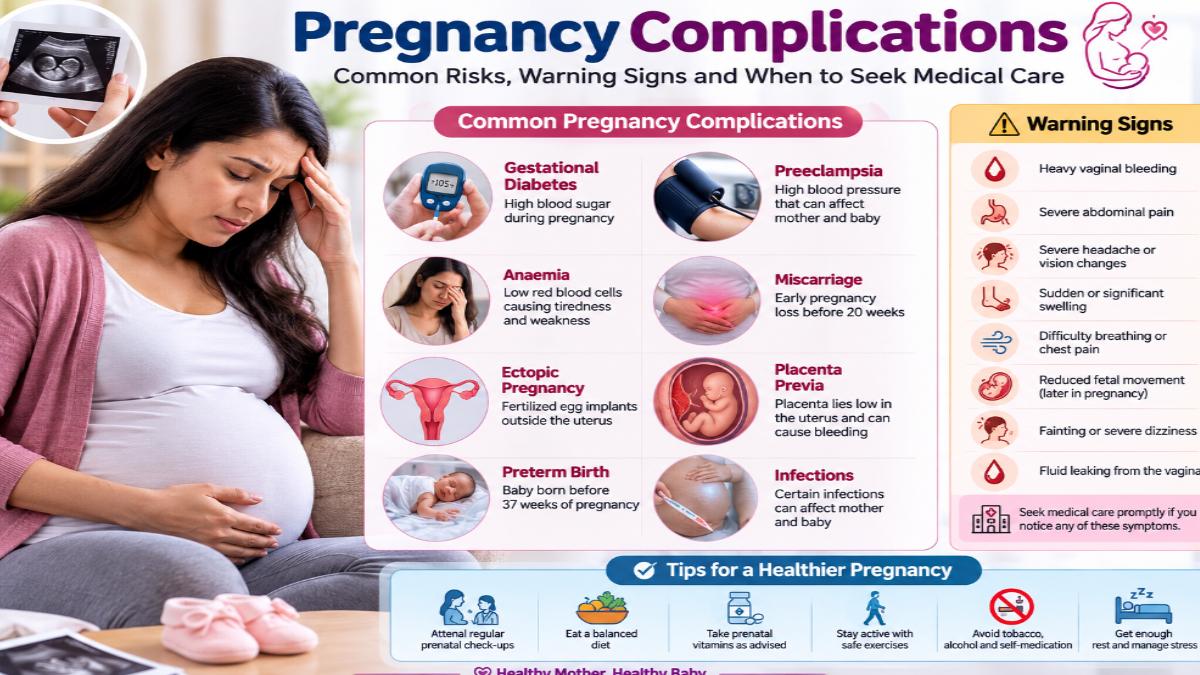
Anemia, particularly iron-deficiency anemia, can also occur during pregnancy. The body requires additional iron and other nutrients to support increased blood volume and the developing baby. Anemia may cause tiredness, weakness, dizziness or shortness of breath. Healthcare professionals may recommend dietary changes or supplements depending on test results and individual needs.
Another possible complication is placenta-related problems. The placenta plays a vital role in supplying oxygen and nutrients to the developing baby. Conditions such as placenta previa, in which the placenta lies unusually low and may cover the cervix, can cause bleeding and require careful monitoring. Placental abruption, in which the placenta separates from the uterine wall before delivery, can be an emergency and requires immediate medical attention.
Infections during pregnancy can also require special attention. Certain bacterial, viral or parasitic infections may affect the mother or developing baby. Routine prenatal care may include screening for particular infections, while good hygiene, safe food practices and appropriate vaccinations can help reduce some risks. Pregnant women should discuss symptoms such as fever, unusual discharge or painful urination with their healthcare provider.
Related Articles

Preterm labor occurs when regular contractions and cervical changes begin before 37 weeks of pregnancy. Babies born prematurely may face increased health challenges because some organs are still developing. Warning signs can include regular contractions, pelvic pressure, lower backache, vaginal bleeding or fluid leakage. Anyone experiencing possible signs of preterm labor should contact their maternity care team promptly.
Miscarriage is another pregnancy complication, particularly during the early stages. It refers to the loss of a pregnancy before the fetus can survive outside the uterus. Pregnancy loss can be emotionally devastating, and it is important for those experiencing it to receive both appropriate medical care and emotional support. In many cases, miscarriage is not caused by anything the pregnant person did.
Some women may also experience severe nausea and vomiting, known as hyperemesis gravidarum. Unlike typical morning sickness, this condition can make it difficult to maintain adequate hydration and nutrition. Medical treatment may be needed when vomiting is severe or persistent.
Pregnancy can also affect existing health conditions. Women with diabetes, thyroid disorders, heart disease, kidney disease, neurological conditions or other chronic illnesses may require additional monitoring. Discussing health conditions and medications with a healthcare professional before or early in pregnancy can help create an appropriate care plan.
Warning signs should never be ignored. Heavy vaginal bleeding, severe abdominal pain, severe headache, vision changes, sudden swelling, difficulty breathing, chest pain, seizures, fluid leakage or significantly reduced fetal movement later in pregnancy can require urgent medical assessment. The appropriate response depends on the stage of pregnancy and individual circumstances.
Not every pregnancy complication can be prevented, but healthy habits and consistent prenatal care can reduce some risks and improve early detection. Eating a balanced diet, taking recommended prenatal supplements, avoiding tobacco and alcohol, attending medical appointments and following professional advice can all contribute to healthier pregnancy outcomes.
Ultimately, pregnancy complications vary widely, and having a complication does not necessarily mean that a healthy outcome is impossible. Early detection, appropriate monitoring and timely treatment can make a significant difference. Pregnant women should maintain open communication with their healthcare providers and seek medical advice whenever they notice unusual or concerning symptoms.
Important: This article is intended for general information and does not replace medical advice. Pregnancy-related symptoms should be assessed by a qualified healthcare professional, particularly when they are sudden, severe or unusual.


Comments 0