
Monsoon weather can be refreshing, but increased humidity, frequent exposure to water and wearing damp footwear can make foot care surprisingly difficult. For people who already struggle with dry or cracked heels, the rainy season can sometimes make the problem more noticeable. Repeated wetting and drying, friction from footwear and inadequate moisturising may leave the skin rough, flaky and uncomfortable.
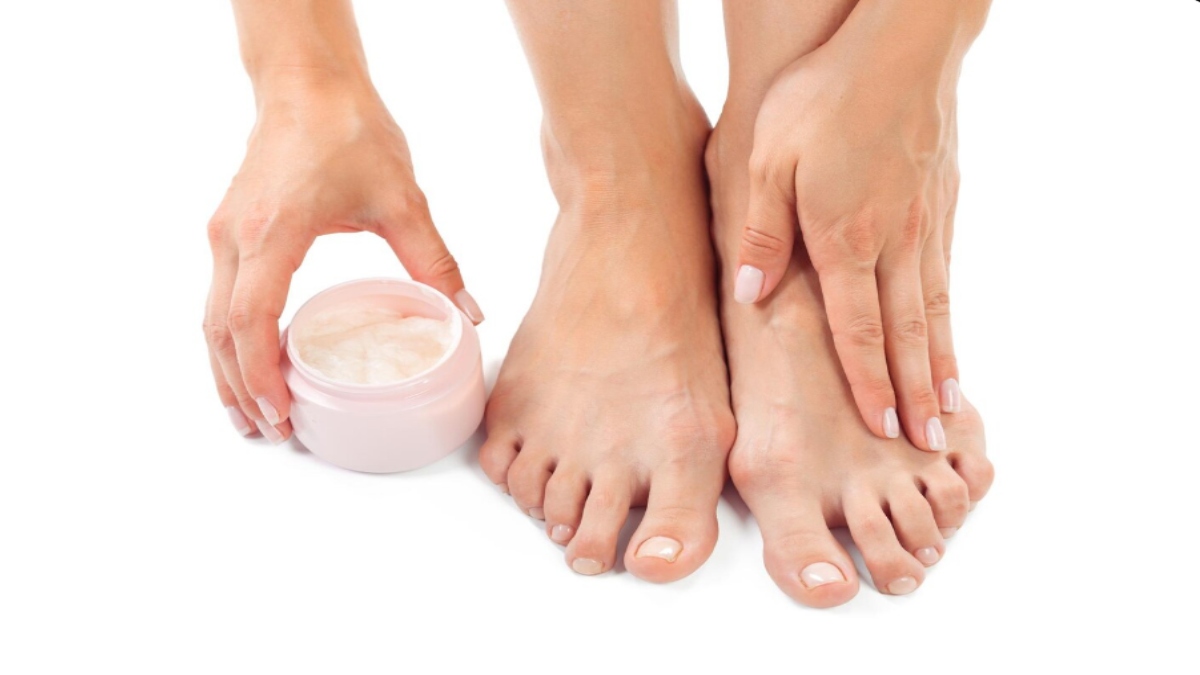
When my heels started looking increasingly dry and cracked during the monsoon, I realised that a regular body lotion was not providing enough moisture. I started paying closer attention to foot creams and their ingredients. While everyone's skin is different, choosing a product designed specifically for dry, thickened heel skin can make a significant difference.
Here are five types of foot creams worth considering if cracked heels are bothering you.
Related Articles


1. Urea-Based Foot Cream
Urea is one of the most useful ingredients to look for when dealing with rough, dry feet. At lower concentrations, it acts primarily as a moisturiser, while higher concentrations can help soften thickened skin.
A urea-based foot cream can be particularly useful for heels that feel hard and rough. Apply it consistently according to the product directions, especially after bathing when the skin has been gently dried.
If your skin is cracked or irritated, stronger formulations may sting. Start with a product appropriate for your skin and avoid applying potentially irritating products to open wounds unless advised by a healthcare professional.
Related Articles


2. Lactic Acid Foot Cream
Lactic acid belongs to a group of ingredients called alpha hydroxy acids. In skincare, it can help loosen dead skin cells while also providing moisturising benefits.
A foot cream containing lactic acid may help improve the appearance and texture of rough heels over time. However, exfoliating ingredients should not be overused. Applying them too frequently can cause irritation, especially if the skin barrier is already damaged.
Follow the product instructions and combine exfoliation with regular moisturisation.
3. Salicylic Acid Foot Cream
Salicylic acid is another exfoliating ingredient that can help soften thick, rough skin. It is commonly used in products formulated for areas with significant buildup.
A foot cream containing salicylic acid may be useful for stubborn roughness, but it is not suitable for everyone. People with sensitive skin should introduce it cautiously, and it should not be applied to severely irritated or broken skin unless a healthcare professional recommends it.
4. Shea Butter-Rich Foot Cream
Sometimes the best approach is simply restoring moisture to dry skin. Shea butter is a rich emollient commonly used in creams and balms designed for very dry areas.
A shea butter-based foot cream can leave heels feeling softer and more comfortable, particularly when applied consistently at night. It may be especially useful for people whose main concern is dryness rather than significant thickening.
For an intensive overnight routine, apply the cream generously to clean, dry feet and wear comfortable cotton socks if appropriate.
5. Ceramide-Based Foot Cream
Ceramides are naturally occurring lipids that play an important role in maintaining the skin barrier. Foot creams containing ceramides may help support dry, compromised skin while providing lasting moisturisation.
This type of formula can be a good choice for people who experience recurring dryness and want to focus on barrier care rather than aggressive exfoliation.
How to Use Foot Cream Effectively
Consistency matters more than applying a huge amount of cream occasionally. Wash your feet gently, dry them thoroughly and apply moisturiser while the skin is clean. Pay particular attention to the heels and other areas that become rough.
Avoid cutting or aggressively scraping cracked skin at home. Although pumice stones can sometimes help with mild thickening, excessive filing can worsen irritation and create small injuries.
During the monsoon, also make sure your footwear is completely dry before wearing it. Damp shoes and socks can increase discomfort and may contribute to fungal infections.
When Cracked Heels Need Medical Attention
Most mild cases of dry, cracked heels can improve with appropriate moisturisation and foot care. However, deep cracks, bleeding, swelling, redness, pus, severe pain or signs of infection require medical attention.
People with diabetes, poor circulation, neuropathy or certain other medical conditions should be particularly careful with foot problems and seek professional advice rather than treating significant cracks themselves.
Cracked heels can be frustrating during monsoon, but a simple routine can help. Instead of choosing a foot cream based solely on packaging or fragrance, look for useful ingredients such as urea, lactic acid, salicylic acid, shea butter and ceramides according to your skin's needs.
With regular moisturising, sensible exfoliation, dry footwear and good foot hygiene, your heels can stay softer and more comfortable throughout the rainy season.




Comments 0