
The fashion industry is one of the world's most dynamic and influential creative industries. It combines art, design, culture, manufacturing, technology, marketing and commerce to create products that people use to express their personalities and lifestyles.

Although fashion is often associated with clothing and runway shows, the industry is much broader. It includes everything from luxury couture and everyday apparel to footwear, accessories, sportswear, textiles, beauty collaborations and fashion retail.
Understanding the key sectors of the fashion industry helps explain how a garment moves from an initial design idea to a finished product purchased and worn by consumers.
Related Articles


1. Haute Couture
Haute couture represents one of the most exclusive areas of fashion. It focuses on highly specialised, often handcrafted garments created in limited quantities for individual clients or specific presentations.
Couture pieces can involve extensive embroidery, intricate embellishment, hand-finishing and specialised tailoring. Because of the time and craftsmanship involved, these garments are generally associated with luxury and exclusivity.
Haute couture also serves an important creative role. Designers can use couture collections to experiment with unusual shapes, materials and techniques that may influence broader fashion trends.
Related Articles
2. Ready-to-Wear
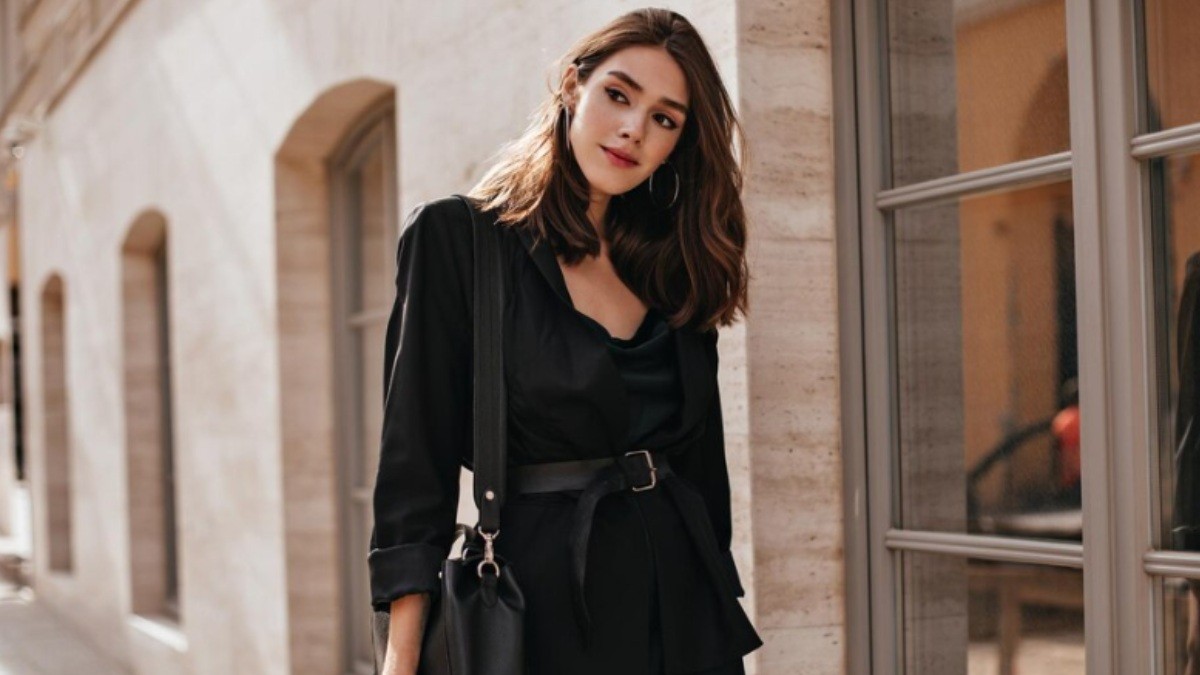
Ready-to-wear, also known as prêt-à-porter, occupies a much larger part of the fashion market. These collections are produced in standard sizes and are designed to be purchased and worn without extensive individual customisation.
Ready-to-wear ranges from affordable everyday clothing to premium designer collections. Seasonal collections allow brands to introduce new colours, silhouettes, fabrics and trends while responding to changing consumer preferences.
3. Luxury Fashion
Luxury fashion focuses on premium products, distinctive design, craftsmanship, brand heritage and exclusivity.
Luxury brands often sell clothing alongside handbags, shoes, jewellery, watches, fragrances and other lifestyle products. Brand identity plays a particularly important role in this sector, with consumers often purchasing luxury products for both their craftsmanship and symbolic value.
Marketing, celebrity collaborations, fashion shows and carefully designed retail experiences are significant parts of luxury fashion.
4. Fast Fashion
Fast fashion focuses on producing trend-driven clothing quickly and selling it at relatively accessible prices.
The sector has changed how consumers interact with fashion by making new styles available at a rapid pace. However, fast fashion has also faced criticism concerning overproduction, waste, resource consumption, labour practices and the environmental impact associated with clothing production.
These concerns have contributed to growing interest in more responsible consumption and alternative business models.
5. Sportswear and Athleisure
Sportswear includes clothing and footwear designed for physical activity, including running, training, yoga and other sports.
Athleisure has expanded the sector by combining athletic functionality with everyday fashion. Leggings, trainers, sweatshirts and performance-inspired clothing are now commonly worn outside traditional sporting environments.
Technological fabrics, moisture management, stretch materials and lightweight construction are important areas of innovation within this sector.
6. Footwear
Footwear is a major fashion sector that includes sneakers, formal shoes, boots, sandals, heels and specialised footwear.
Designers must balance appearance with comfort, durability and functionality. The sneaker market, in particular, has developed strong connections with sports, music, streetwear and popular culture.
Limited-edition collaborations can also create significant consumer interest and contribute to the cultural influence of footwear brands.
7. Fashion Accessories
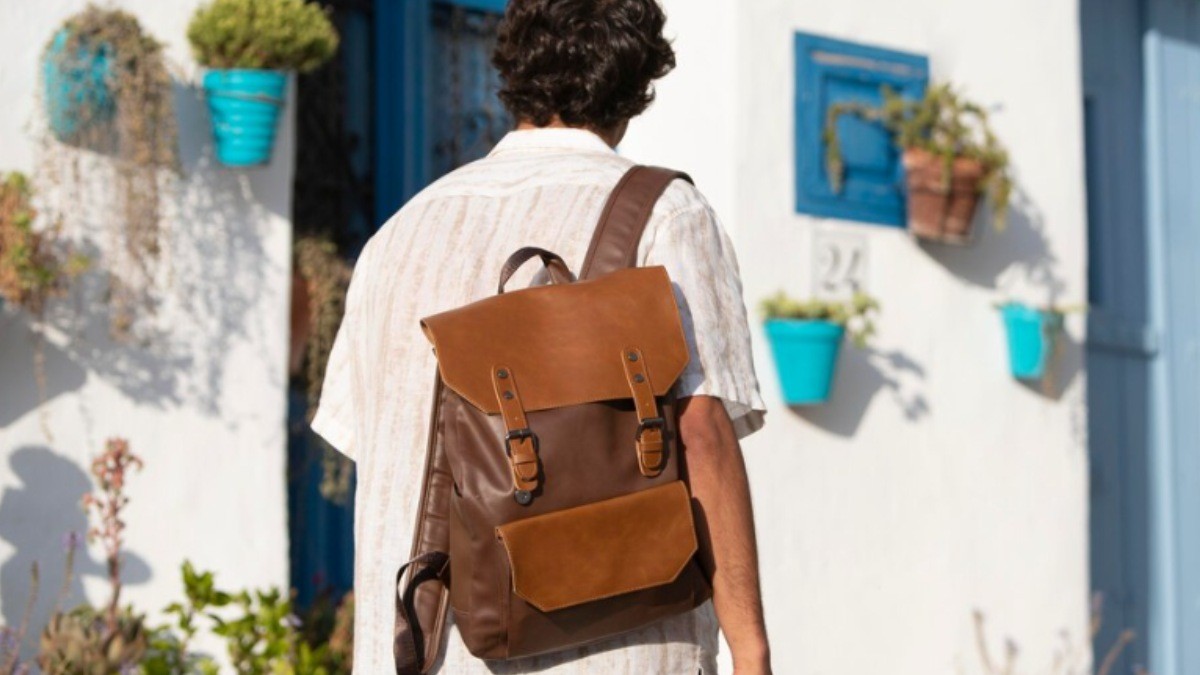
Accessories can transform an outfit and represent a substantial part of the fashion business. This sector includes handbags, belts, scarves, hats, sunglasses, jewellery and watches.
Accessories are also important because consumers may use them to experiment with trends without completely changing their wardrobes.
For fashion companies, accessories can provide additional product categories and opportunities to strengthen brand identity.
8. Textile and Apparel Manufacturing
Behind every fashion collection is a complex textile and manufacturing sector.
Textile companies produce materials such as cotton, wool, silk, linen, synthetic fibres and innovative fabric blends. Manufacturers then cut, sew, dye, finish and assemble garments according to specifications.
Technology is increasingly being used throughout production to improve efficiency, quality control and material utilisation.
9. Fashion Retail
Retail connects fashion brands with consumers. Traditional retail includes department stores, boutiques, shopping centres and brand-owned stores, while online retail has become an essential part of the industry.
E-commerce allows consumers to shop from brands across geographical boundaries. Digital tools such as personalised recommendations, virtual try-ons and social commerce are also changing the shopping experience.
Many brands now combine physical and digital retail through an omnichannel approach.
10. Fashion Marketing and Media
Fashion depends heavily on communication. Advertising, magazines, social media, influencers, fashion photographers, stylists and digital creators help introduce products and shape consumer perceptions.
Social media has made fashion communication faster and more interactive. Trends can emerge from online communities and spread internationally within a short period.
Sustainability Across Fashion Sectors
Sustainability is becoming an increasingly important consideration throughout the fashion industry. Brands and manufacturers are exploring recycled fibres, alternative materials, improved production methods, resale platforms, repair services and other approaches intended to reduce environmental impact.
Consumers are also becoming more interested in product durability, transparency and responsible purchasing.
However, sustainability is a complex issue, and no single material or business model automatically makes a fashion product environmentally friendly.
The Future of the Fashion Industry
The fashion industry is constantly changing as consumer preferences, technology and cultural influences evolve. Artificial intelligence, digital design, e-commerce, smart textiles and virtual fashion are creating new opportunities for designers and businesses.
At the same time, traditional craftsmanship and creative expression remain central to the industry's identity.
The fashion industry is far more than clothing. Haute couture, ready-to-wear, luxury fashion, fast fashion, sportswear, footwear, accessories, textiles, manufacturing, retail and fashion media all contribute to this diverse global sector.
As technology and consumer expectations continue to change, the boundaries between these sectors may become increasingly connected. The future of fashion will likely depend on how successfully the industry combines creativity, commercial innovation, technology and more responsible practices.




Comments 0