
Fashion has always evolved with society, but technological innovation has accelerated that transformation dramatically. From artificial intelligence and virtual fitting rooms to 3D design and smart fabrics, technology is changing almost every stage of the fashion journey. Designers, manufacturers, retailers and consumers are increasingly using digital tools to create, produce, market and experience clothing in new ways.

Technology is no longer simply a supporting element of the fashion business. It has become an important driver of creativity, efficiency, personalisation and sustainability.
Artificial Intelligence Is Changing Fashion
Artificial intelligence (AI) is becoming increasingly useful across the fashion industry. Brands can use AI-powered systems to analyse customer preferences, identify emerging trends and understand purchasing behaviour.
Related Articles


Designers can also use generative AI tools to explore concepts, colour combinations, silhouettes and patterns during the early stages of development. While human creativity remains central to fashion design, these tools can help professionals experiment with ideas more quickly.
AI can also assist retailers with inventory planning and demand forecasting. Better predictions may help companies avoid producing excessive quantities of products that may not sell.
3D Design and Virtual Prototyping
Traditional fashion development often requires multiple physical samples before a final design is approved. Digital 3D design tools can reduce the need for some of these physical prototypes.
Related Articles

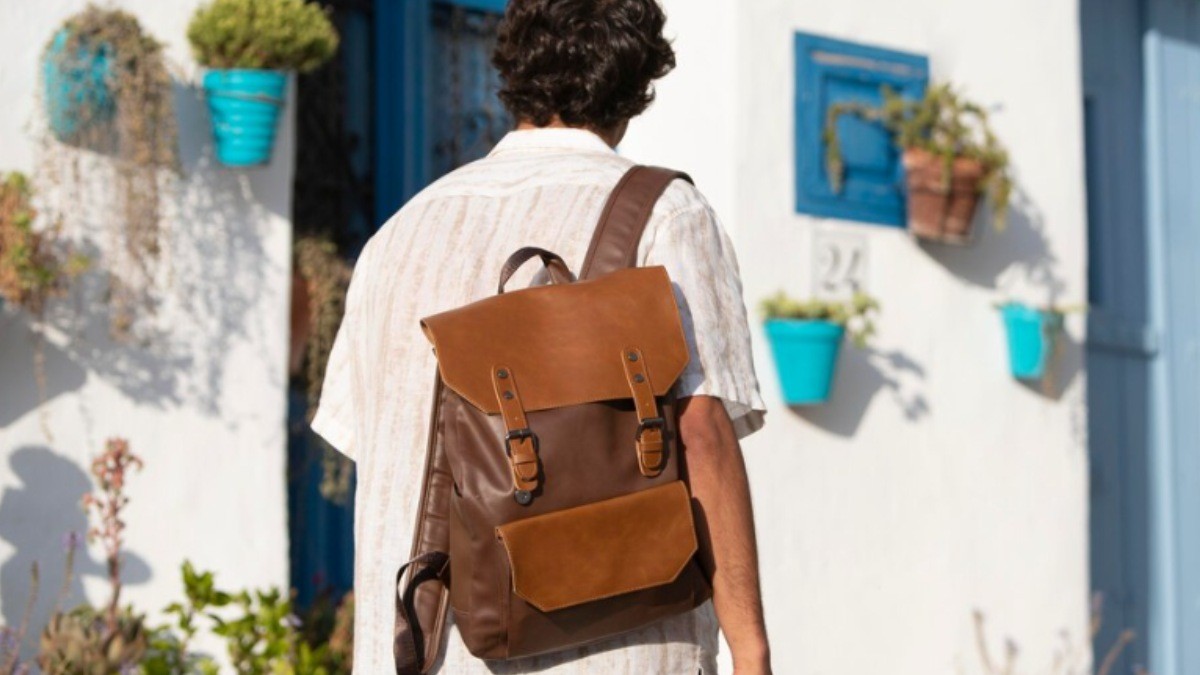
Designers can create virtual garments, modify shapes and experiment with materials digitally. This can save time and resources while allowing teams in different locations to collaborate more efficiently.
Virtual sampling may also contribute to more sustainable product development by reducing unnecessary material consumption during the design process.
Virtual Try-Ons and Augmented Reality
Online shopping has made convenience a major part of fashion retail, but consumers cannot physically try on products before purchasing them. Virtual try-on technology aims to address part of this challenge.
Using augmented reality (AR), cameras and digital modelling, shoppers can sometimes visualise how clothing, accessories or beauty products may look on them.
Although virtual fitting technology is still developing, it has the potential to make online shopping more interactive and personalised. Better digital sizing and fit tools could also help reduce returns caused by customers choosing unsuitable sizes.
Smart Fabrics and Wearable Technology
Technology is also becoming part of the clothing itself. Smart textiles can incorporate sensors, conductive materials or other technologies designed to provide specific functions.
Wearable technology has already expanded beyond traditional watches and fitness trackers. Clothing and accessories can potentially monitor movement, temperature or other environmental and activity-related information.
For athletes and specialised industries, technologically enhanced garments may offer practical benefits. At the same time, designers are exploring ways to combine functionality with aesthetics.
Technology and Sustainable Fashion
Sustainability is one of the biggest challenges facing the modern fashion industry, and technology can play an important role in addressing it.
Digital supply-chain systems can improve traceability, helping brands understand where materials originate and how products move through manufacturing and distribution. Advanced manufacturing technologies can also improve precision and reduce material waste.
Innovations in textile recycling, alternative materials and more efficient production methods are creating additional possibilities. However, technology alone cannot make fashion sustainable. Companies still need responsible production strategies, appropriate consumption models and transparent environmental practices.
E-Commerce and Personalised Shopping
Technology has completely transformed how consumers discover and purchase fashion. E-commerce platforms allow customers to shop from brands around the world without visiting a physical store.
Personalisation is another major development. Online retailers can use data to recommend products based on browsing behaviour, previous purchases and preferences.
Social media platforms have also blurred the boundaries between entertainment, marketing and shopping. Influencers, creators and brands can introduce products to audiences instantly, while features such as social commerce make purchasing more convenient.
Digital Fashion and Virtual Clothing
Another emerging area is digital fashion. Virtual garments can exist entirely in digital environments rather than as physical products.
Digital clothing may be used for avatars, gaming environments, social media content and virtual events. For consumers interested in self-expression online, virtual fashion offers a new way to experiment with appearance without producing a physical garment.
The growth of digital worlds could create new opportunities for designers while challenging traditional ideas about what constitutes fashion.
Technology Is Changing the Consumer Experience
Technology is not only affecting designers and brands; it is changing what shoppers expect. Consumers increasingly want convenience, personalised recommendations, fast communication and engaging digital experiences.
Mobile shopping, virtual assistants, personalised platforms and digital payment systems have made the purchasing journey faster and more connected.
At the same time, consumers are becoming more interested in transparency. Technology can potentially help shoppers access information about materials, manufacturing and product origins, allowing them to make more informed choices.
The Future of Fashion Technology
The relationship between fashion and technology is likely to become even stronger. Artificial intelligence, robotics, augmented reality, advanced textiles, digital manufacturing and data analytics could influence how clothes are designed and produced in the coming years.
However, the future of fashion will not be determined by technology alone. Creativity, craftsmanship, culture and human expression will continue to define the industry.
Ultimately, technology provides fashion with new tools rather than replacing its creative foundation. When innovation is combined with thoughtful design and responsible practices, it can make the fashion industry more efficient, personalised, inclusive and potentially more sustainable.




Comments 0