
For decades, the fragrance industry has often divided perfumes into two broad categories: scents marketed towards women and those marketed towards men. Floral, sweet and powdery notes were traditionally associated with femininity, while woody, musky and smoky fragrances were commonly positioned as masculine. But fragrance culture is changing, and increasingly, perfume lovers are questioning whether a scent needs a gender label at all.
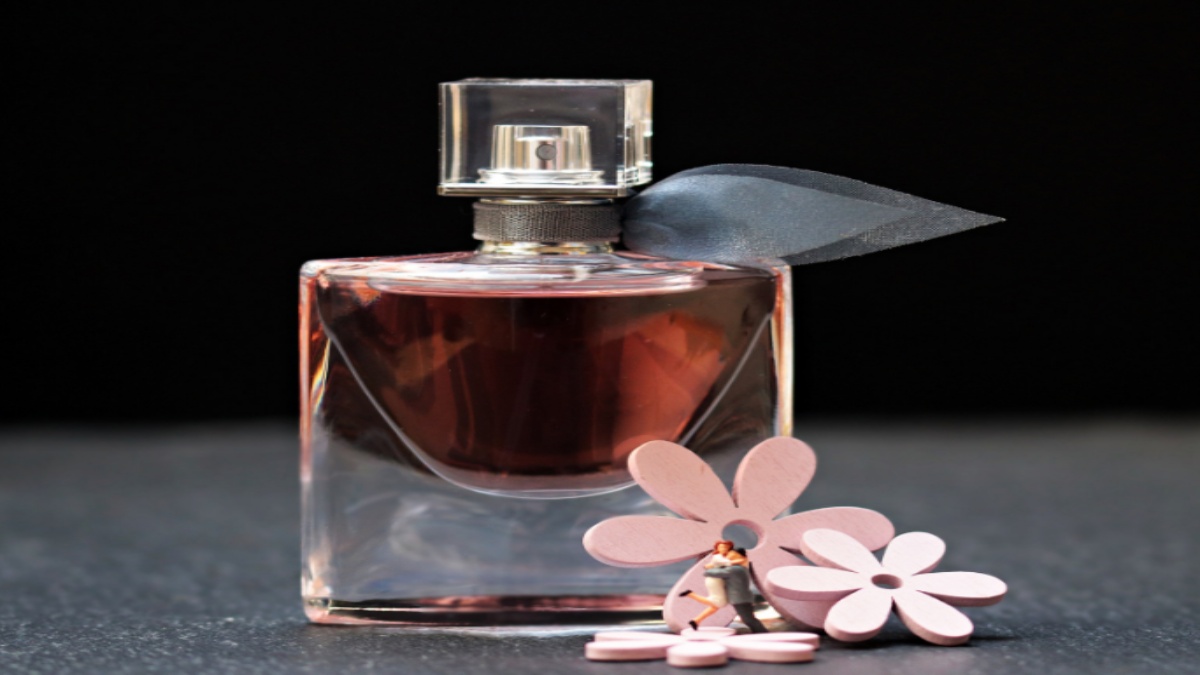
The rise of gender-fluid and gender-neutral fragrances reflects a broader shift in beauty, fashion and personal expression. Instead of choosing a perfume because its bottle or advertising campaign says it is “for women” or “for men,” consumers are increasingly selecting fragrances based on how they smell, how they feel and how well they fit their personality.
Fragrance Is Personal Expression
Perfume is an invisible accessory. Unlike clothing or jewellery, it cannot always be seen, but it can become a powerful part of someone's identity. A fragrance can evoke memories, communicate a mood and even influence how confident a person feels.
Related Articles


Gender-fluid fragrance takes this idea further by removing traditional expectations. Someone may love a fresh citrus fragrance one day and a deep oud or amber scent the next. Another person might prefer rose, vanilla and jasmine regardless of how those notes have traditionally been marketed.
The important factor is personal preference not a gender category.
Breaking Traditional Fragrance Rules
Traditional perfume marketing relied heavily on familiar associations. Roses, violets, vanilla and soft fruits were often promoted as feminine, while leather, tobacco, cedarwood and vetiver were commonly associated with masculinity.
Related Articles


Modern perfumery is increasingly mixing these boundaries. A fragrance can combine rose with leather, vanilla with smoky woods, citrus with spices or jasmine with earthy notes. These combinations demonstrate that individual ingredients do not inherently belong to one gender.
Even traditionally masculine or feminine notes can smell completely different depending on the composition and the person's skin chemistry.
Why Gender-Fluid Fragrances Are Becoming Popular
One reason for the popularity of gender-fluid fragrances is the growing desire for individuality. Consumers are increasingly interested in products that allow them to express themselves rather than fitting into predetermined categories.
There is also a growing appreciation for minimalism and versatility. A single fragrance that can be shared between partners or worn across different occasions can feel more practical than maintaining separate collections based solely on gender labels.
Social media has also influenced fragrance culture. Online fragrance communities allow people to discuss individual notes, combinations and experiences rather than simply repeating traditional marketing categories. Consumers can discover niche perfumes, independent fragrance houses and unusual scent profiles that may not fit neatly into conventional categories.
What Makes a Fragrance Gender-Fluid
There is no specific ingredient that makes a perfume gender-fluid. Instead, the term generally refers to fragrances marketed or understood as suitable for anyone.
Common notes found in gender-fluid perfumes include:
- Citrus: Bergamot, lemon, grapefruit and orange can create fresh and energetic openings
- Woody notes: Sandalwood, cedarwood and vetiver can add warmth and depth
- Musk: Often used to create a soft, clean or sensual base
- Amber: Adds warmth, richness and sweetness
- Oud: Can provide a deep, complex and luxurious character
- Floral notes: Rose, iris, jasmine and orange blossom can work beautifully in compositions designed for everyone
- Spices: Cardamom, pepper and cinnamon can add personality and warmth
The final scent depends on how these ingredients are blended rather than on whether an individual note has traditionally been considered masculine or feminine.
How to Choose a Gender-Fluid Perfume
The best approach is to ignore the label and explore the fragrance itself. Start by identifying the scents you naturally enjoy. Do you prefer fresh and clean aromas, creamy sweetness, earthy woods, spicy accords or sophisticated floral compositions.
Try perfumes directly on your skin whenever possible. Fragrance can develop differently depending on body chemistry, temperature and even the products already present on your skin.
Give the perfume time to evolve. The initial spray represents the top notes, while the heart and base notes emerge later. A fragrance that seems sharp at first may become warm and comforting after several hours.
Most importantly, don't choose a perfume simply because someone says it is appropriate for your gender. Choose the scent that makes you feel comfortable and confident.
A More Inclusive Future for Fragrance
The movement towards gender-fluid fragrances is part of a larger transformation in the beauty industry. Consumers increasingly want freedom from rigid categories and are embracing products according to personal taste.
Perfume has always been about emotion, memory and self-expression. Its appeal does not depend on gender, and neither does the ability of a beautiful fragrance to make someone feel confident.
As fragrance houses continue experimenting with unconventional combinations and more inclusive marketing, the boundaries between traditionally “masculine” and “feminine” scents are likely to become even less important.
Ultimately, there is no universal rule saying who should wear rose, oud, vanilla, musk or sandalwood. If you love the way a fragrance smells on your skin, it is yours to wear. Your perfume does not need a gender it simply needs to feel like you.




Comments 0