
The global halal fashion industry has evolved from a specialised segment of the apparel market into an increasingly influential part of the international fashion landscape. Driven by changing consumer preferences, growing Muslim populations, digital commerce and the popularity of modest dressing, halal and modest fashion are gaining visibility across established and emerging fashion markets.
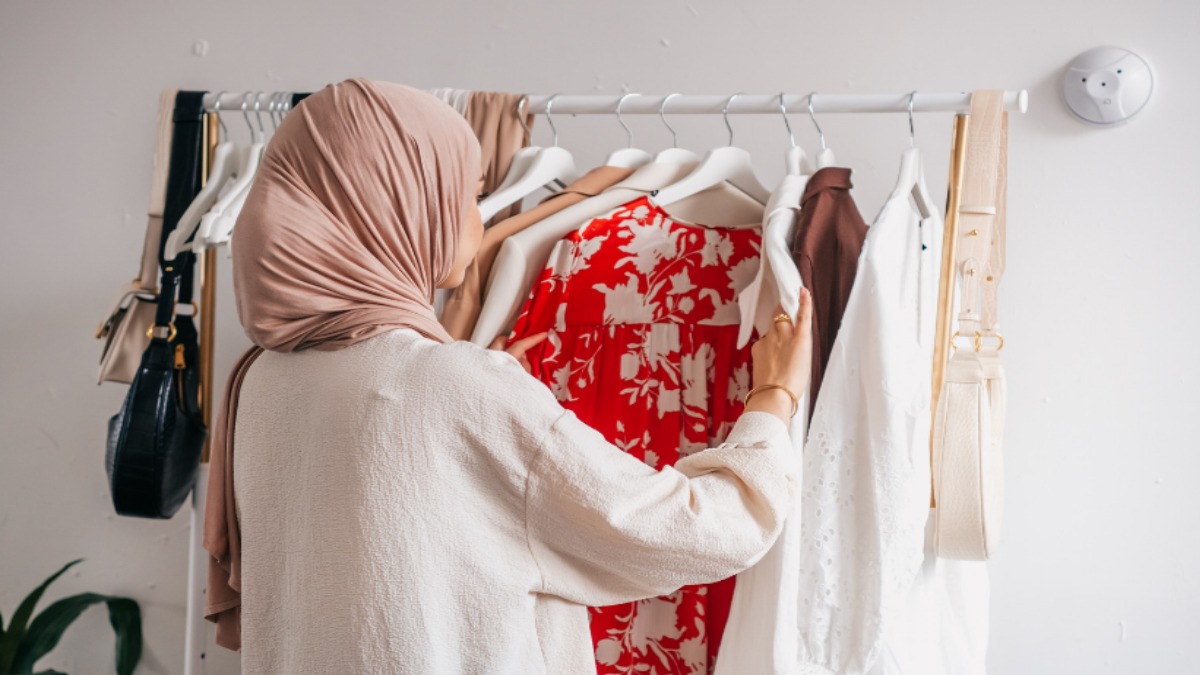
Halal fashion generally refers to clothing and fashion practices that align with Islamic principles. While interpretations can vary, modesty, appropriate coverage and avoidance of certain materials or practices may influence purchasing decisions for some consumers. At the same time, the modern modest fashion market extends beyond religious identity, attracting people who appreciate loose silhouettes, layered clothing, elegant designs and versatile styling.
The Rise of Modest Fashion
Modest fashion has become increasingly visible on social media, fashion platforms and international runways. Long dresses, flowing abayas, tunics, wide-leg trousers, maxi skirts, coordinated sets and sophisticated layering have become part of a broader global conversation about personal style.
Related Articles

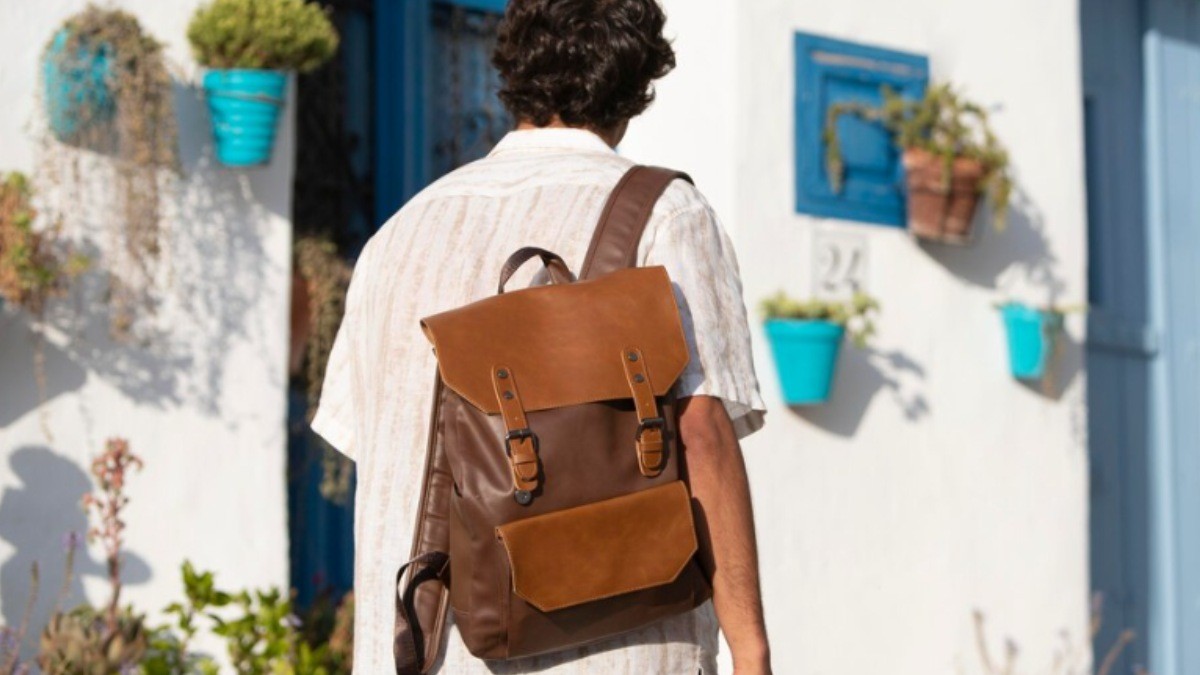
For many consumers, modest fashion is not about sacrificing creativity. Designers are experimenting with colours, prints, textures, tailoring and contemporary silhouettes while maintaining modest proportions.
This has allowed modest clothing to appeal to customers with different cultural backgrounds and style preferences.
Muslim Consumers and Changing Fashion Expectations
The global Muslim consumer market is diverse, spanning different countries, cultures, income groups and generations. Younger consumers in particular are increasingly interested in fashion that combines religious or personal values with contemporary aesthetics.
Related Articles
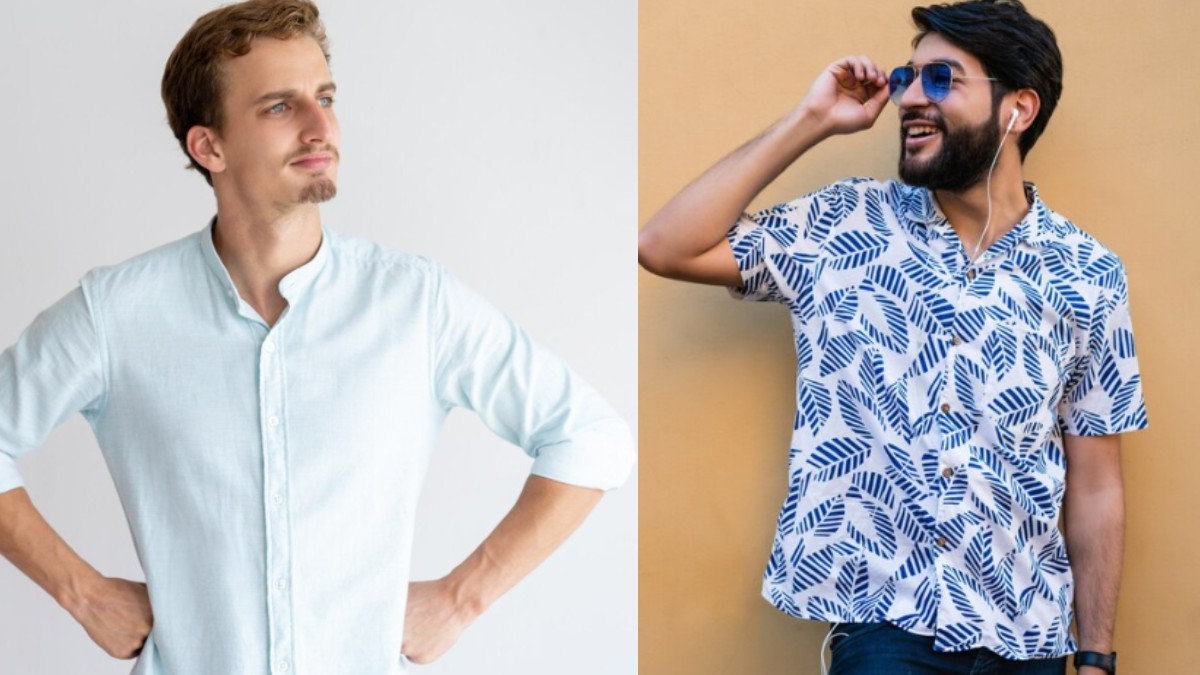

They may look for clothing that works across multiple settings, from workplaces and universities to family gatherings and celebrations.
The rise of social media has also changed how consumers discover fashion. Modest fashion influencers, designers and content creators can introduce audiences to new brands and styling ideas without relying entirely on traditional fashion media.
E-Commerce Is Expanding Access
Online shopping has played an important role in the growth of modest fashion. Digital platforms allow smaller designers and independent brands to reach international audiences without requiring a large network of physical stores.
Consumers can compare designs, fabrics, prices and sizing from brands based in different countries. This has made it easier for shoppers to discover regional styles and has encouraged greater competition within the market.
At the same time, international e-commerce presents challenges related to shipping costs, returns, sizing differences, import regulations and customer expectations.
Sustainability and Ethical Fashion
Sustainability is another important consideration for the future of halal fashion. Consumers are increasingly asking how garments are produced, what materials are used and how long clothing is expected to last.
Modest fashion can naturally lend itself to versatile wardrobe planning because many pieces can be layered and styled in multiple ways. However, modest clothing is not automatically sustainable. Sustainability depends on factors such as material sourcing, production methods, garment durability, transportation and consumption patterns.
Brands that combine modest design with responsible manufacturing and transparent supply chains may appeal to increasingly conscious consumers.
Traditional Craft Meets Modern Design
The global halal fashion market also provides opportunities to showcase traditional craftsmanship. Embroidery, handwoven fabrics, intricate prints, regional textiles and traditional silhouettes can be incorporated into contemporary collections.
Designers can reinterpret cultural elements for modern consumers while helping preserve specialised craftsmanship and textile traditions.
This combination of heritage and innovation is particularly relevant during festive seasons, weddings and other occasions when consumers may seek clothing that reflects cultural identity while maintaining a contemporary appearance.
Challenges Facing the Industry
Despite its growth, the global halal fashion industry faces several challenges. The term “halal fashion” does not have one universal definition, and consumer expectations can differ significantly across markets.
Brands must also balance cultural sensitivity with creativity. Misunderstanding cultural or religious preferences can affect consumer trust.
Sizing and inclusivity remain important issues as well. Customers increasingly expect brands to offer a wide range of sizes, practical designs and clothing suitable for different body types.
Another challenge is avoiding stereotypes. Muslim consumers are not a single, uniform market. Their fashion choices vary widely, and successful brands need to understand regional and individual preferences rather than relying on assumptions.
The Future of Halal Fashion
The future of the global halal fashion industry is likely to be shaped by digital innovation, changing consumer expectations and the continued mainstreaming of modest fashion. Social commerce, personalised recommendations and direct-to-consumer business models can help brands connect with customers across borders.
There is also growing potential for collaborations between established fashion companies and modest-wear designers. Such partnerships can introduce modest silhouettes and styling concepts to wider audiences while giving specialised designers access to larger markets.
Ultimately, halal fashion represents more than a commercial niche. It reflects the growing demand for clothing that allows consumers to express identity, values and individuality through style. As designers continue to combine modesty with creativity, quality and contemporary design, the global halal fashion industry is positioned to become an increasingly important part of the international fashion economy.
Its future will depend not only on market growth but also on authenticity, inclusivity, responsible production and the ability to understand the diverse consumers who make up the global modest fashion community.




Comments 0