
Finding the perfect suit is about more than choosing an attractive colour or following the latest fashion trend. The right suit should complement your proportions, create a balanced silhouette and feel comfortable enough to wear with confidence. Understanding your body type can make the shopping process much easier because different cuts, fabrics and colours can create very different visual effects.
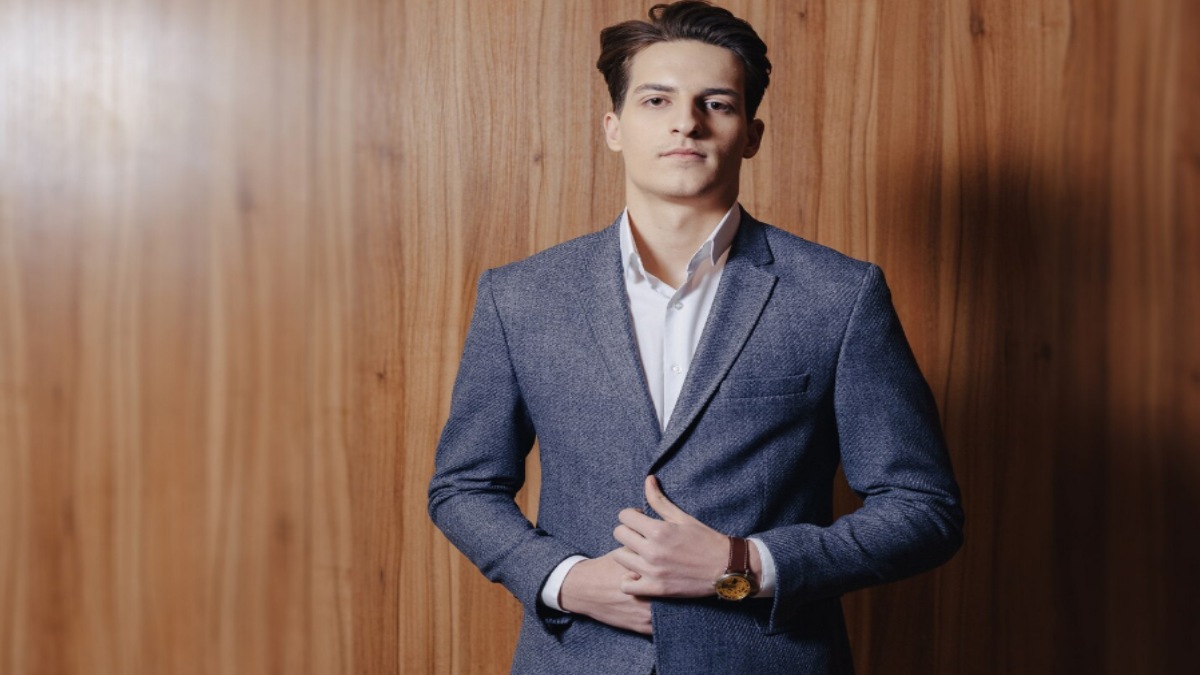
Although every man's body is unique, three broad body types can provide a useful starting point: slim or lean, athletic or muscular, and broader or fuller. The goal is not to hide your natural shape but to choose a suit that creates a polished and well-proportioned appearance.
1. Slim or Lean Body Type
Men with a slim build often have a narrower chest, waist and shoulders. A well-fitted suit can add structure without making the frame appear overwhelmed by excess fabric.
Related Articles
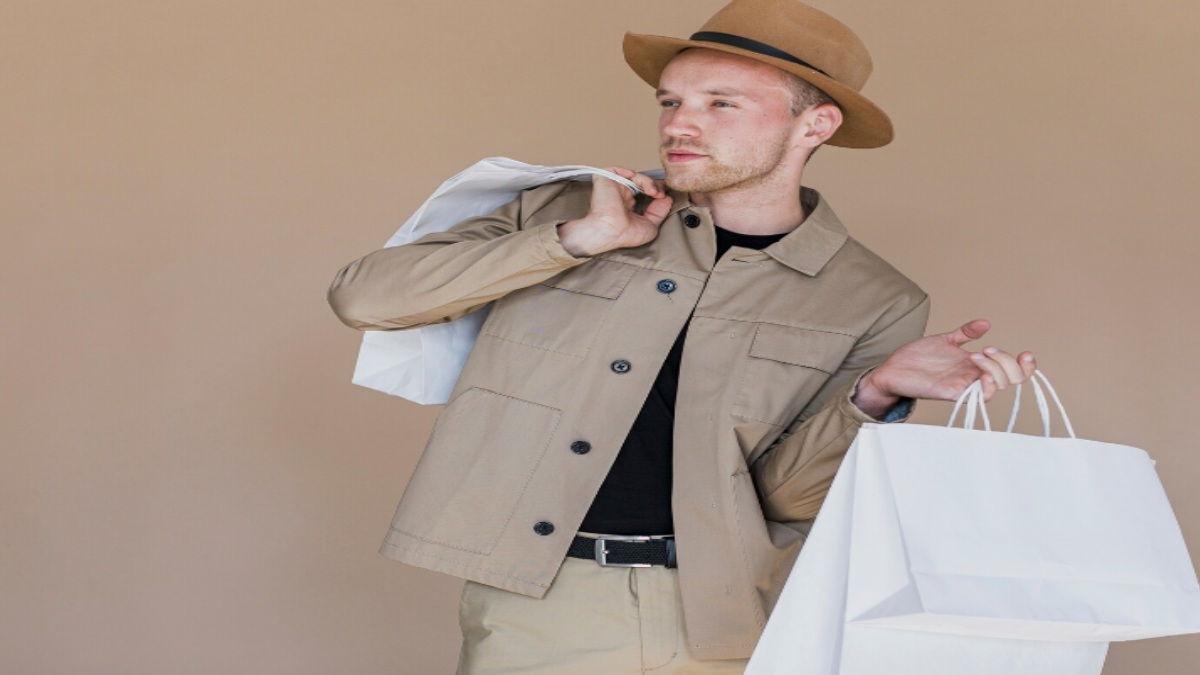
Best Fit
A slim or tailored fit can work particularly well, provided it is not excessively tight. Look for a jacket with defined shoulders and a moderately narrow waist. A shorter jacket length can sometimes make the proportions appear more balanced, while trousers with a relatively clean, streamlined silhouette can complement a lean frame.
Avoid extremely oversized jackets, as too much fabric can make a slim body appear smaller. At the same time, ultra-tight clothing can make the suit look uncomfortable rather than refined.
Best Colours
Slim men have considerable freedom with colour. Medium blues, charcoal, navy, lighter greys and subtle patterns can all work well. Checks, windowpanes and textured fabrics can introduce visual interest and make the outfit feel more dimensional.
Related Articles
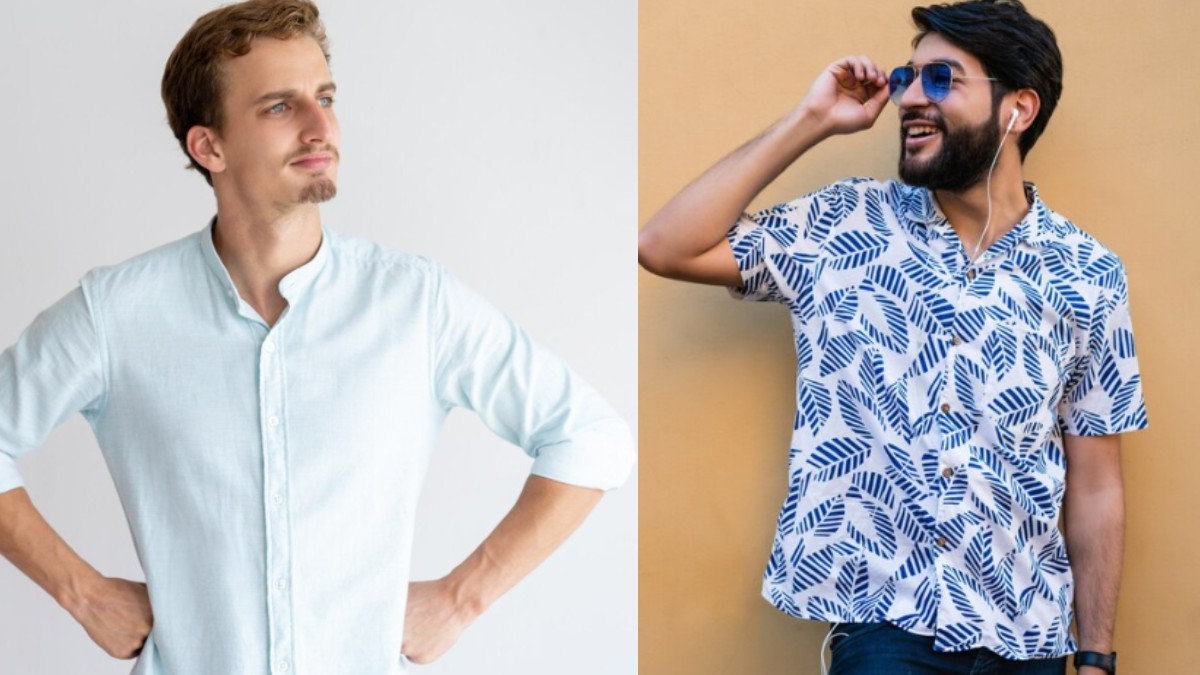
A slightly lighter or mid-tone suit can also create a fuller visual effect compared with an extremely dark monochromatic outfit.
Best Fabrics
Textured fabrics such as tweed, flannel, wool blends and subtle patterned weaves can add visual depth. Medium-weight fabrics can help create structure without looking bulky.
2. Athletic or Muscular Body Type
An athletic build typically features broader shoulders and a more defined waist. Finding a suit that accommodates the shoulders without becoming too loose around the waist is often the main challenge.
Best Fit
A tailored fit is often a strong choice. The jacket should provide enough room across the chest and shoulders while narrowing naturally toward the waist.
Avoid choosing a jacket solely based on how it fits around the waist. If the shoulders or chest are too tight, alterations may not fully solve the problem. It is generally better to find a jacket that fits the largest part of your frame and have a tailor refine the remaining areas.
Trousers should follow the natural line of the legs without being excessively tight.
Best Colours
Classic shades such as navy, charcoal, medium grey and deep blue create a sharp and versatile appearance. Darker colours can emphasise the clean lines of an athletic frame, while earthy neutrals can create a softer and more contemporary look.
For special occasions, subtle pinstripes or understated checks can add sophistication without distracting from the overall silhouette.
Best Fabrics
Smooth wool, merino wool and lightweight wool blends can provide a clean drape. Fabrics with some natural movement are particularly useful because they allow the suit to sit comfortably across the shoulders and chest.
3. Broader or Fuller Body Type
Men with a fuller frame can look especially polished in a suit that creates clean vertical lines and avoids unnecessary bulk. The key is choosing a proper fit rather than simply selecting an oversized garment.
Best Fit
A well-tailored regular or modern fit can provide comfort while maintaining structure. The jacket should sit smoothly across the shoulders and chest, with enough room to button comfortably without pulling.
A two-button jacket with a moderate lapel can create a streamlined appearance. Trousers should sit comfortably at the natural waist rather than being worn excessively low.
Avoid oversized jackets because extra fabric does not necessarily make the body look smaller. Instead, it can make the entire outfit appear shapeless.
Best Colours
Deep, solid colours such as navy, charcoal, dark grey and deep green can create an elegant and streamlined appearance. Monochromatic or closely coordinated combinations can also produce a longer visual line.
That does not mean broader men need to avoid brighter colours. A colourful tie, pocket square or shirt can provide personality while keeping the suit itself relatively understated.
Best Fabrics
Smooth, medium-weight wool and wool blends can drape beautifully without adding unnecessary bulk. Avoid excessively heavy fabrics when the goal is a clean silhouette, particularly in warm climates.
The Importance of Proper Tailoring
Regardless of body type, tailoring is one of the most important factors in making a suit look expensive and polished. A suit should sit correctly at the shoulders, sleeves should finish around the wrist, and trousers should have an appropriate break at the shoe.
Small alterations to the waist, sleeve length, trouser hem or jacket shape can transform an ordinary off-the-rack suit.
Choose the Right Fabric for the Occasion
Fabric should also match the climate and event. Wool is versatile and works well for many formal occasions. Linen and linen blends are excellent choices for warm-weather events but naturally wrinkle more easily. Cotton can provide a relaxed appearance, while velvet and other richer fabrics are better suited to certain evening or festive occasions.
For year-round versatility, a medium-weight wool suit in navy or charcoal is one of the most practical choices.
Colour Coordination Matters
The suit is only one part of the outfit. Your shirt, tie, shoes and accessories should complement rather than compete with the suit.
A navy suit pairs easily with white, light blue and subtle patterned shirts. Charcoal works well with white, pale blue and muted tones. For a more contemporary look, carefully chosen burgundy, forest green or textured accessories can add personality.
The Final Rule: Fit Comes First
Fashion rules are useful, but they should never replace personal comfort and confidence. A suit that fits properly will generally look better than an expensive suit in the wrong size.
Whether you have a slim, athletic or fuller body type, focus on balanced proportions, comfortable movement and clean tailoring. Choose colours that suit the occasion, fabrics appropriate for the climate and a silhouette that complements your natural shape.
The perfect suit is ultimately one that feels like an extension of your personal style polished, comfortable and confidently yours.




Comments 0