
Men’s fashion has changed significantly over the years. While traditional ideas about menswear once focused heavily on formal shirts, trousers, suits and a limited selection of accessories, today’s fashion landscape offers men far greater freedom to experiment with colours, silhouettes, fabrics and styles. At the same time, shopping habits have evolved as online stores, social media, fashion influencers and changing lifestyles reshape how men discover and purchase clothing.
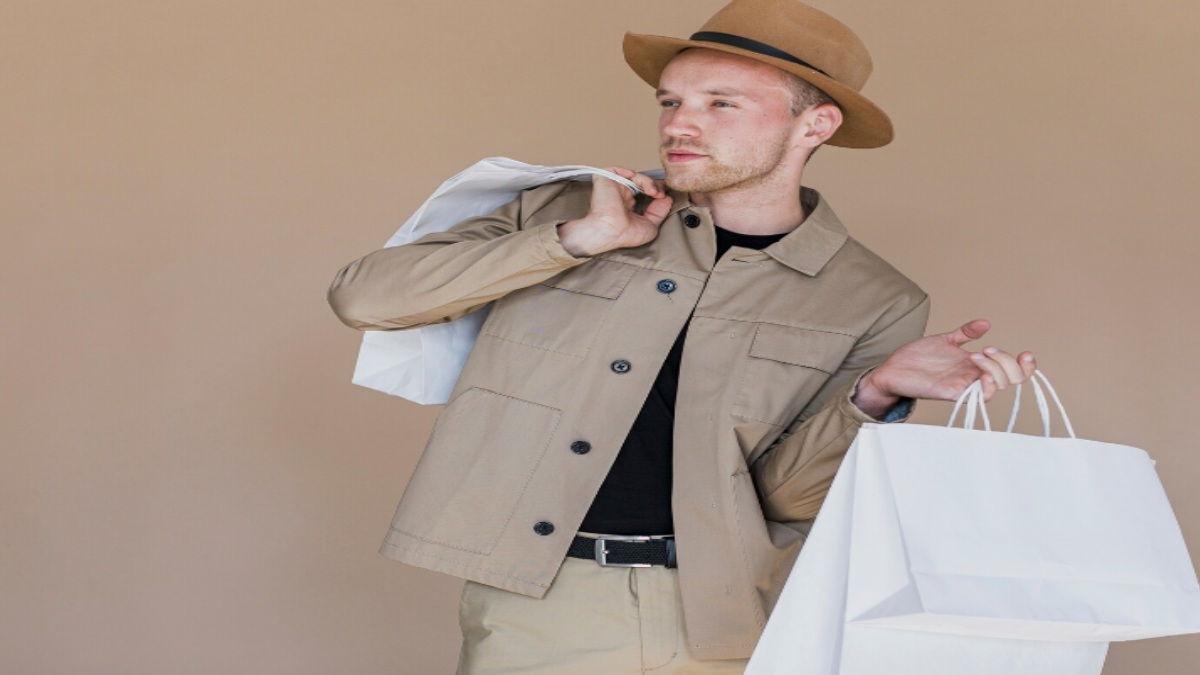
Modern men are increasingly looking for a balance between style, comfort, practicality and value. Rather than simply following every trend, many shoppers are becoming more selective about what they add to their wardrobes.
The Rise of Casual and Versatile Clothing
One of the biggest changes in men's fashion is the growing popularity of casualwear. T-shirts, polo shirts, sneakers, relaxed trousers, denim and lightweight jackets have become important wardrobe staples.
Related Articles
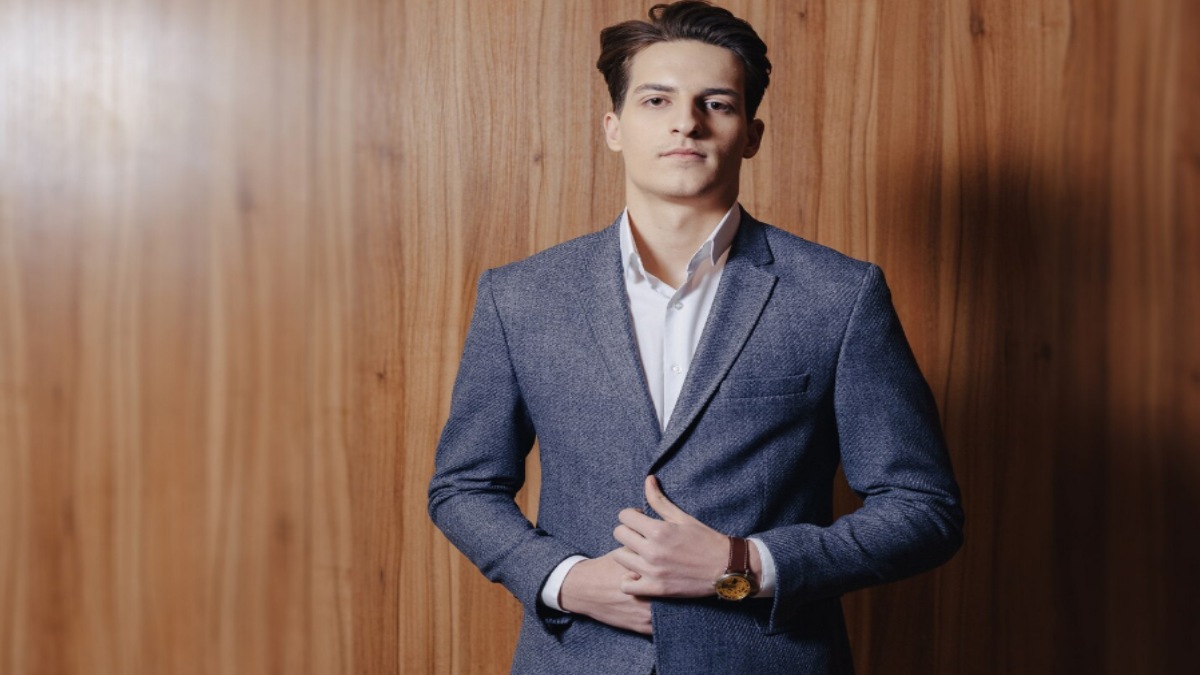
The boundary between formal and casual dressing has also become less rigid. Smart-casual outfits can work for offices, dinners, travel and social occasions, allowing men to create versatile wardrobes with fewer pieces.
Comfort has become particularly important. Breathable fabrics, relaxed fits and functional clothing appeal to shoppers who want garments that can adapt to busy daily routines.
Online Shopping Has Changed Men's Fashion
E-commerce has transformed the way men shop for clothes. Instead of visiting several physical stores, shoppers can browse thousands of products from their phones or computers.
Related Articles
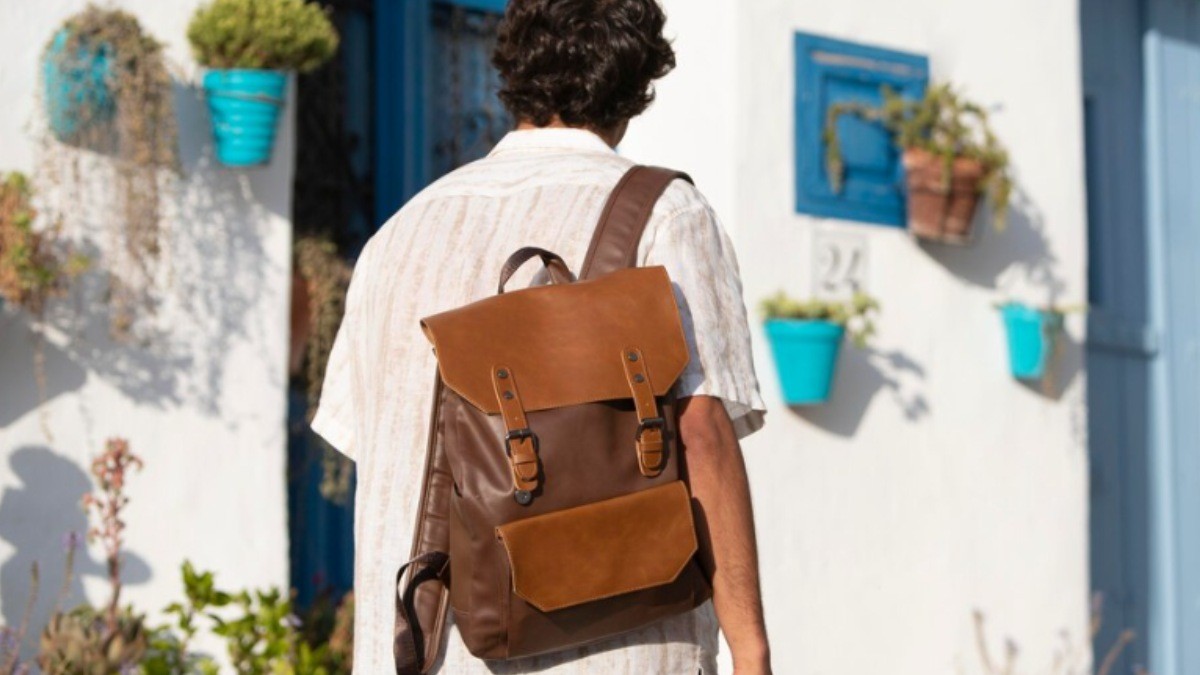
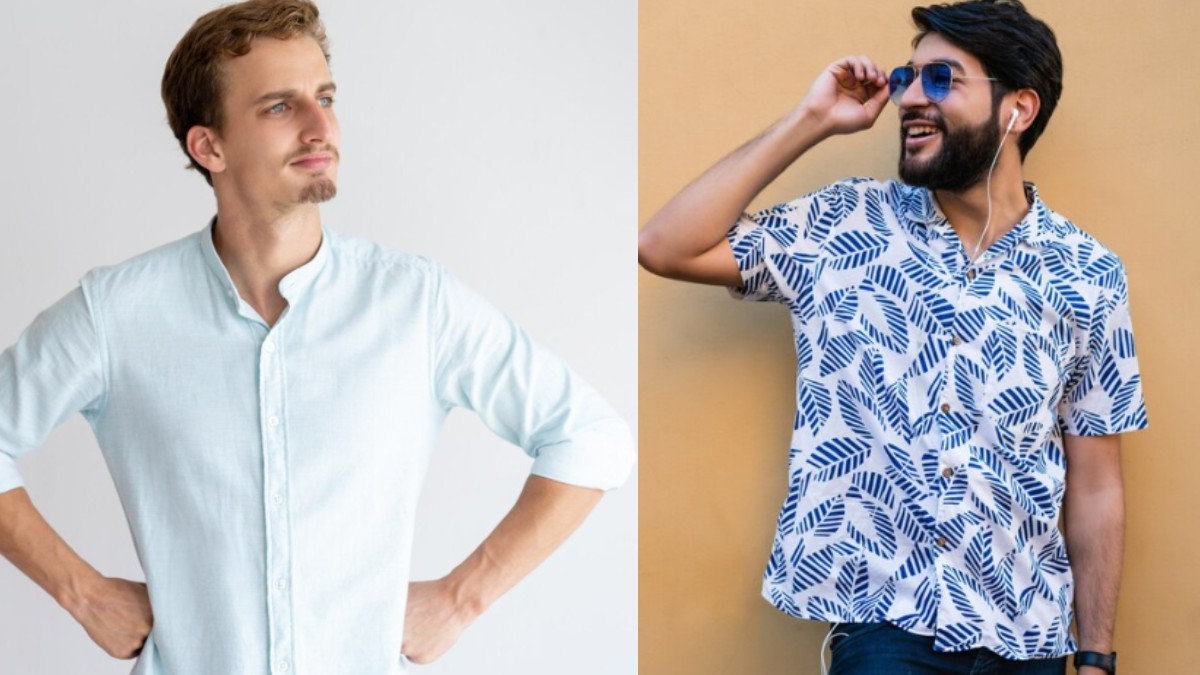
Online shopping makes it easier to compare prices, read customer reviews, check size guides and explore brands from different locations. Personalised recommendations can also introduce shoppers to styles they might not otherwise discover.
However, buying clothing online comes with challenges. Fit and fabric can be difficult to judge from photographs alone. Men may therefore need to pay close attention to measurements, return policies and customer reviews before placing an order.
Social Media Influences Buying Decisions
Social media has become a major source of fashion inspiration. Influencers, celebrities, athletes and content creators regularly showcase outfits and styling ideas, allowing followers to see how particular garments can be worn.
Short-form videos have made fashion advice more accessible. A simple styling tip can quickly reach millions of viewers and turn a previously unfamiliar trend into a mainstream look.
However, shoppers should distinguish between inspiration and unnecessary consumption. Not every viral item deserves a place in the wardrobe.
Men Are Paying More Attention to Personal Style
Modern fashion is increasingly about individuality. Men are experimenting with accessories, jewellery, watches, bags, footwear and different colour combinations to create distinctive looks.
Rather than dressing exactly like a celebrity or influencer, many shoppers are using fashion inspiration to develop their own interpretation of current trends.
Understanding personal preferences can also make shopping more efficient. Knowing which colours, cuts and fabrics work well can reduce impulse purchases and help create a more cohesive wardrobe.
Quality Versus Quantity
Another important shift is the growing conversation around quality. Some consumers are moving away from buying large quantities of inexpensive clothing and are instead looking for durable garments that can be worn repeatedly.
A high-quality jacket, pair of shoes or pair of trousers may have a higher initial price but can potentially provide better long-term value if it lasts for years.
This approach can also encourage consumers to think more carefully before purchasing. Asking whether an item will work with existing clothes is a simple way to make shopping more intentional.
Sustainability Is Becoming More Important
Environmental awareness is influencing fashion choices among many shoppers. Concerns about textile waste, excessive consumption and the environmental impact of manufacturing have encouraged interest in sustainable alternatives.
Men can make more conscious choices by buying fewer unnecessary items, repairing damaged clothing, donating usable garments and exploring second-hand or resale platforms.
Choosing timeless pieces rather than constantly replacing an entire wardrobe can also support a more sustainable approach to fashion.
The Importance of the Right Fit
Regardless of trends, fit remains one of the most important aspects of men's fashion. An expensive garment may not look polished if it is poorly fitted.
Men should pay attention to shoulder seams, trouser length, sleeve length and overall proportions. Tailoring can sometimes transform an ordinary garment into something that looks considerably more refined.
The ideal fit also depends on personal preference. Some men prefer slim silhouettes, while others feel more comfortable in relaxed or oversized styles.
Smarter Shopping Habits
Developing better shopping habits does not mean avoiding fashion. Instead, it means making purchases more deliberately.
Before buying something new, shoppers can consider whether they already own a similar item, how frequently they are likely to wear it and whether it works with their existing wardrobe. Setting a budget and making a shopping list can also reduce impulse purchases.
Seasonal sales can provide opportunities to save money, but discounts should not automatically justify buying something that will rarely be worn.
Men’s fashion and shopping habits continue to evolve alongside technology, culture and changing lifestyles. Today's shoppers have more choices than ever, from traditional retail stores and designer labels to online marketplaces, independent brands and second-hand platforms.
The modern approach to menswear increasingly combines comfort, individuality, versatility and conscious consumption. Instead of simply accumulating clothes, men can build wardrobes around reliable essentials, carefully selected statement pieces and clothing that reflects their personalities.
Ultimately, good style is not necessarily about owning the most expensive or fashionable items. It is about understanding what suits you, shopping thoughtfully and wearing clothes with confidence.




Comments 0